
BBC UNDER FIRE! SECRET CIVIL SERVICE LINKS SPARK FRESH IMPARTIALITY ROW! The BBC, ITV and Channel 4 are facing renewed scrutiny following reports that government civil servants worked with newsrooms during election coverage. Broadcasters maintain that editorial control remained with their journalists, while the Office for National Statistics says its staff provided technical advice on figures. The BBC has reportedly suspended its scheme pending a review. But the controversy has raised a key question: why weren’t viewers told about these arrangements? With the BBC’s impartiality once again under the spotlight, public trust and transparency are at the centre of the debate.What should broadcasters disclose about government involvement in their newsrooms? Read more and share your thoughts in the comments!
The BBC has suspended a long-running scheme that placed government statisticians inside its newsrooms following reports that civil servants contributed to coverage of sensitive topics including migration.
Separate concerns have also been raised about a BBC Bitesize educational game used by schoolchildren.
The controversies have intensified questions about impartiality and public trust in the licence-fee funded broadcaster.
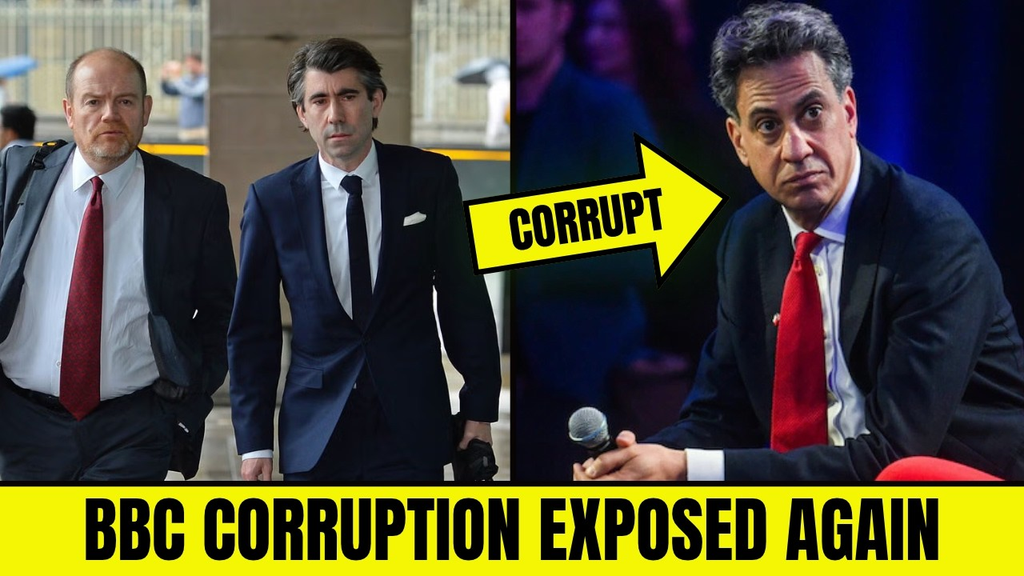
The BBC has paused its civil service secondment programme after a Telegraph investigation revealed that government statisticians and other officials had been embedded in its news operation for several years.
The scheme, which began in 2018, allowed civil servants from the Government Statistical Service and departments including the Home Office to spend three or six months working with BBC News and BBC Verify.
According to the reporting, secondees assisted with data analysis, fact-checking and, in some cases, drafting material on high-impact subjects such as small-boat crossings and the Covid pandemic.
Some of their contributions appeared under BBC News or BBC Verify bylines.
Blog posts written by participants described involvement in assessing statistics, supporting real-time fact-checking and contributing to published stories.
A job advertisement for future placements referred to the ability to “influence decision making.”
The BBC responded by suspending the scheme pending a review.
A spokesperson stated that all editorial decisions remain with BBC journalists and editors in line with the corporation’s guidelines, and that the statisticians never made editorial decisions.
Those currently on secondment would not be involved in publishing content during the review, and further recruitment has been paused.
Wider embedding during elections
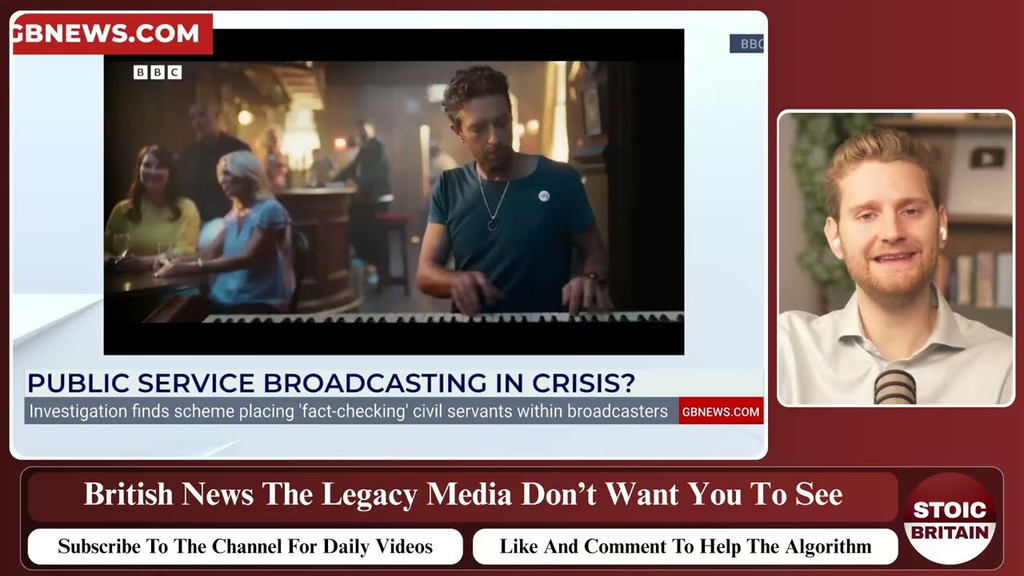
The same investigation found that Office for National Statistics staff had also been seconded to ITV News and Channel 4 News during general elections to help verify figures and analyse party claims
These arrangements operated under civil service rules and purdah restrictions.
Broadcasters have insisted that their own journalists retained full editorial control.
Critics argue that the presence of serving civil servants inside newsrooms, particularly on politically contested topics, raises legitimate questions about independence and transparency.
Supporters of the schemes say specialist statistical expertise improves accuracy and that the arrangements were properly governed.
The lack of clear public disclosure about the secondments has been a central point of contention.
The Bitesize game controversy
Separately, attention has focused on a BBC Bitesize educational game aimed at 11- to 14-year-olds.
Reports described scenarios in which players scored points for granting an amnesty to people living without correct visas or for choosing more open border options, while deportation choices resulted in point deductions and cautionary messages
The game forms part of resources used by large numbers of school pupils each week.
Shadow Education Secretary Laura Trott called for the material to be removed, arguing that it pushed a contested political position under the guise of education.
The BBC has responded that points are also available for other policy choices, including training local workers and restricting borders, and that the game does not reward specific political positions.
Public trust and the impartiality debate

These revelations arrive at a moment when trust in the BBC is under sustained pressure.
The corporation’s Royal Charter requires it to be independent in its editorial decisions and to provide impartial output in the public interest.
Opponents of the secondment arrangements say the arrangements risked blurring the line between government and independent journalism.
Defenders maintain that expert statistical input strengthens rather than undermines accuracy.
The BBC has moved quickly to pause the scheme once the details became public.
Whether the review leads to permanent changes, greater transparency requirements, or a full end to such secondments will be closely watched
For many viewers and licence-fee payers, the central issue is whether the public can be confident that news and educational content is produced free from any perception of official influence.
The episodes underline a broader tension facing public service broadcasting: the need for specialist expertise on complex data-driven stories versus the absolute requirement to maintain clear independence from government.
How the BBC resolves that tension will shape confidence in its output for years to come.