
Reform UK Renews Call to Leave the European Court of Human Rights as Immigration Debate Intensifies
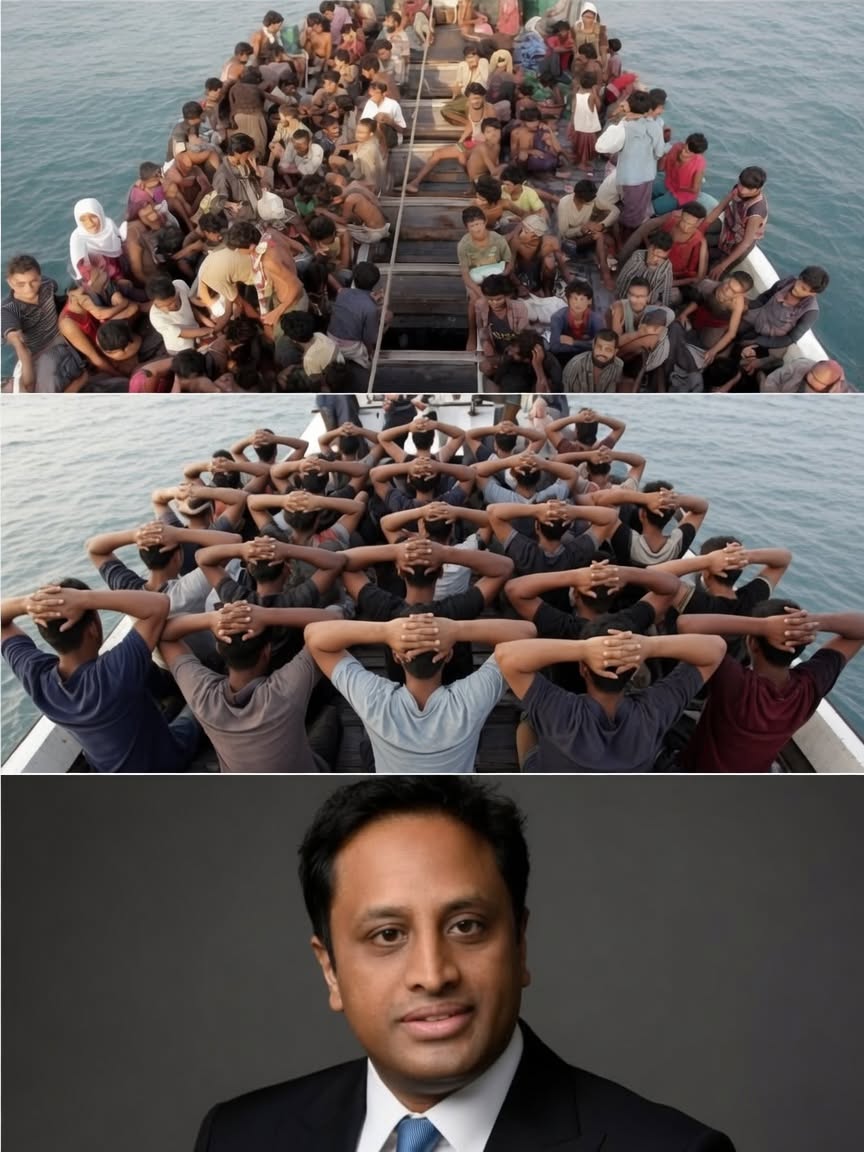
Immigration policy and border security have once again moved to the center of political debate in the United Kingdom after Reform UK renewed its call for the country to leave the European Court of Human Rights (ECHR) and adopt significantly tougher measures to address irregular migration across the English Channel. The proposal has generated strong reactions from across the political spectrum, highlighting the continuing divisions over how Britain should manage asylum, border enforcement, and its international legal commitments.
The debate comes against the backdrop of continued concern over small boat crossings across the English Channel. Successive governments have sought to reduce irregular migration through a combination of legislation, international cooperation, law enforcement operations targeting people-smuggling networks, and reforms to the asylum system. Despite these efforts, immigration remains one of the most prominent issues in British politics.
Reform UK argues that current policies have failed to deter illegal Channel crossings and that more fundamental changes are required. Party representatives have repeatedly stated that they believe the United Kingdom should regain greater control over immigration policy by withdrawing from the jurisdiction of the European Court of Human Rights and introducing stronger removal measures for people arriving through irregular routes.
Supporters of Reform UK’s position argue that border security is a core responsibility of the state and that existing legal frameworks make it too difficult to remove individuals who have entered the country unlawfully. They contend that tougher enforcement would discourage dangerous crossings, reduce the influence of criminal smuggling gangs, and restore public confidence in the immigration system.
Many supporters also argue that reforming the asylum system should include faster decision-making, increased cooperation with international partners to combat organized trafficking networks, and clearer distinctions between legal migration pathways and irregular entry. In their view, these measures would improve both border management and the credibility of the overall immigration system.
Critics, however, strongly disagree with Reform UK’s proposals. They argue that withdrawing from the European Court of Human Rights could have significant constitutional, legal, and diplomatic consequences. Opponents also contend that any changes to asylum policy must remain consistent with the United Kingdom’s domestic legislation and its international obligations concerning refugees and human rights.
Human rights organizations emphasize that people arriving by small boat often submit asylum applications that must be considered individually under UK law. They argue that each case requires assessment based on the applicant’s personal circumstances and that broad policy changes should continue to respect established legal safeguards.
Legal experts note that the European Court of Human Rights is separate from the institutions of the European Union. They explain that the Court oversees compliance with the European Convention on Human Rights, to which the United Kingdom remains a party. Any decision regarding continued participation would involve significant legal and political considerations.
Political analysts observe that immigration has become one of the defining issues of recent British elections. Questions surrounding border control, asylum processing, housing, public services, labour shortages, and integration continue to shape political campaigns and influence voter priorities across the country.
The government has defended its own approach by pointing to measures designed to strengthen border security, increase cooperation with France and other European partners, disrupt criminal smuggling organizations, and reform asylum procedures. Ministers have argued that these policies aim to reduce dangerous crossings while remaining consistent with the rule of law.
Opposition parties have proposed a variety of alternative strategies. Some advocate expanded international cooperation and faster asylum processing, while others emphasize tackling the criminal networks responsible for facilitating irregular migration. These differing approaches illustrate the broad range of opinions within Parliament regarding how best to address the issue.
Migration specialists caution that irregular migration is influenced by multiple factors, including armed conflict, political instability, economic conditions, organized crime, and differences between national asylum systems. They argue that no single policy is likely to resolve the issue on its own and that long-term solutions will require both domestic reforms and international collaboration.
The renewed discussion has also prompted wider debate about the relationship between Parliament, domestic courts, and international legal institutions. Constitutional scholars note that proposals affecting the UK’s international legal commitments would require careful legislative consideration and could have implications extending beyond immigration policy.
Public opinion remains divided. Some voters support stronger border controls and believe significant reforms are necessary to reduce illegal migration. Others argue that maintaining humanitarian protections and adhering to international legal standards should remain central to Britain’s asylum system. Opinion polling over recent years has consistently shown that immigration remains one of the issues on which the British public holds the widest range of views.
Whether Reform UK’s proposals ultimately gain broader political support remains uncertain. What is clear is that immigration, border security, asylum reform, and Britain’s relationship with international legal institutions will continue to play a central role in national political debate. As Parliament, political parties, and the public consider competing approaches, the discussion is likely to remain one of the defining issues of British politics in the months and years ahead.