Geert Wilders’ Remarks Renew Debate on Immigration,Integration and Dutch Identity

Immigration, integration and national identity have once again become central topics of political discussion in the Netherlands following renewed attention to comments made by Dutch politician Geert Wilders. As one of Europe’s most prominent advocates of stricter immigration policies, Wilders has consistently argued that the Netherlands should adopt tougher measures to control migration and strengthen border security. His remarks continue to generate strong reactions both within the Netherlands and across Europe.
Over many years in Dutch politics, Wilders has built much of his political platform around immigration, asylum policy, public security and cultural integration. He has repeatedly argued that immigration levels should be reduced and that greater emphasis should be placed on protecting what he considers Dutch national identity and constitutional values.
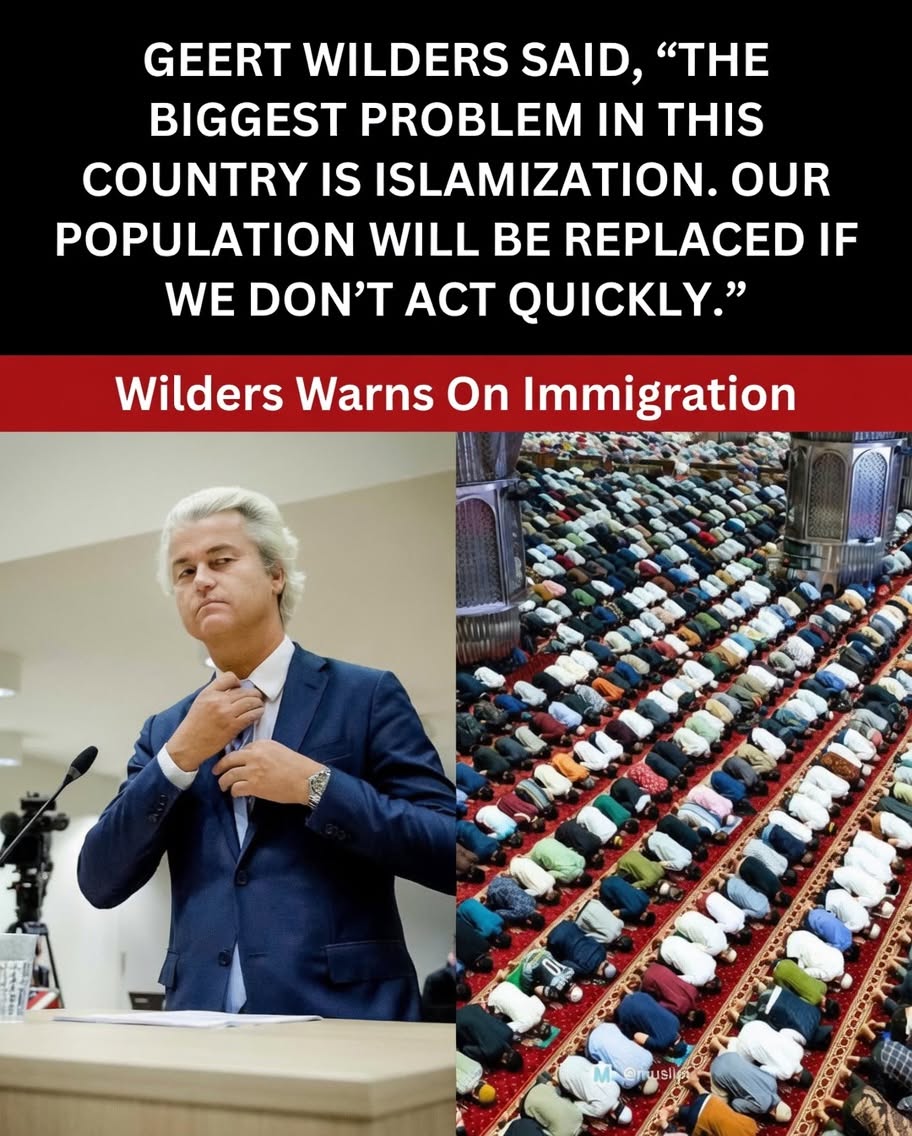
Among his most widely discussed remarks are statements in which he described what he sees as “Islamization” as a major challenge facing the Netherlands and warned about demographic change if immigration policies remain unchanged. These comments reflect Wilders’ political opinions and long-standing policy positions. They should not be interpreted as established facts but as part of an ongoing political debate.
Supporters of Wilders argue that his statements reflect concerns expressed by a portion of the Dutch electorate regarding immigration, housing shortages, pressure on public services, integration, and national security. They believe these subjects deserve open political discussion and that governments should respond to voters’ concerns through democratic institutions.
Many supporters also argue that immigration policy should prioritize border control, lawful migration, and integration into Dutch society. They contend that newcomers should respect the country’s laws, democratic institutions, and constitutional principles while participating fully in civic life.
Critics, however, argue that Wilders’ language is highly controversial and risks increasing tensions between different communities. They contend that broad statements about Islam or demographic change may unfairly generalize about millions of law-abiding Muslim citizens and residents who contribute to Dutch society.
Organizations representing Muslim communities have repeatedly emphasized that the overwhelming majority of Muslims in the Netherlands live peacefully, respect Dutch law, and participate in education, employment, business, and public life. They argue that public discussion should distinguish clearly between religious belief, lawful civic participation, and security concerns involving individuals who commit criminal acts.
Legal scholars note that the Netherlands protects freedom of religion, freedom of expression, and equal treatment under the Dutch Constitution. Political figures are free to advocate changes to immigration policy through democratic debate, while any legislative changes must comply with constitutional requirements and applicable European and international law.
Political analysts observe that immigration has remained one of the defining issues in Dutch politics for more than two decades. Questions involving asylum policy, labour migration, border management, housing availability, and integration continue to influence election campaigns and coalition negotiations.
The debate extends beyond the Netherlands because immigration remains a major policy issue throughout Europe. Governments across the European Union continue to examine how to strengthen external border management, process asylum claims efficiently, meet labour market needs, and maintain social cohesion while respecting international legal obligations.
Experts in migration policy emphasize that immigration is influenced by many interconnected factors, including armed conflict, economic opportunity, demographic trends, family reunification, education, and international agreements. As a result, they argue that long-term policy solutions often require both national reforms and international cooperation.
Supporters of stricter immigration policies frequently argue that governments should have greater control over admission decisions and should ensure that migration occurs through legal channels. They believe clear immigration rules contribute to public confidence and reinforce the credibility of the immigration system.
Others maintain that successful immigration policy should combine effective border management with integration measures, language education, employment opportunities, and equal access to public institutions. They argue that long- term social cohesion depends not only on regulating migration but also on supporting successful integration for those who
are lawfully admitted.
Media analysts note that statements by high-profile political leaders often receive extensive attention online, where short quotations can spread rapidly without the broader context of a full speech or interview. They encourage audiences to consider complete policy proposals and verified information rather than relying solely on viral excerpts.
Whether welcomed or criticized, Geert Wilders’ comments continue to shape political discussion in the Netherlands and across Europe. They reflect one side of a wider debate over immigration, national identity, integration, and demographic change that remains highly significant in European politics. As governments continue to consider future immigration reforms, these issues are likely to remain central topics in public debate, parliamentary discussion, and election campaign for years to come.