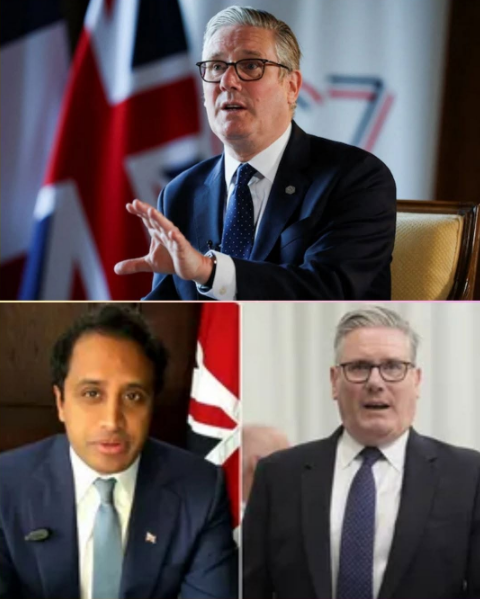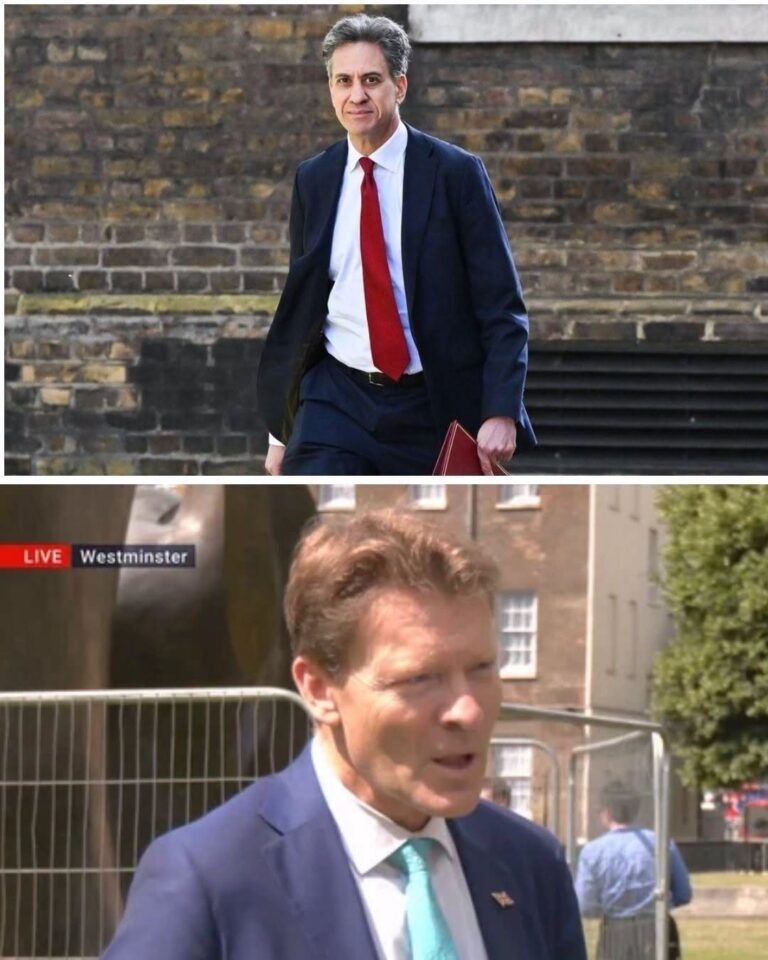
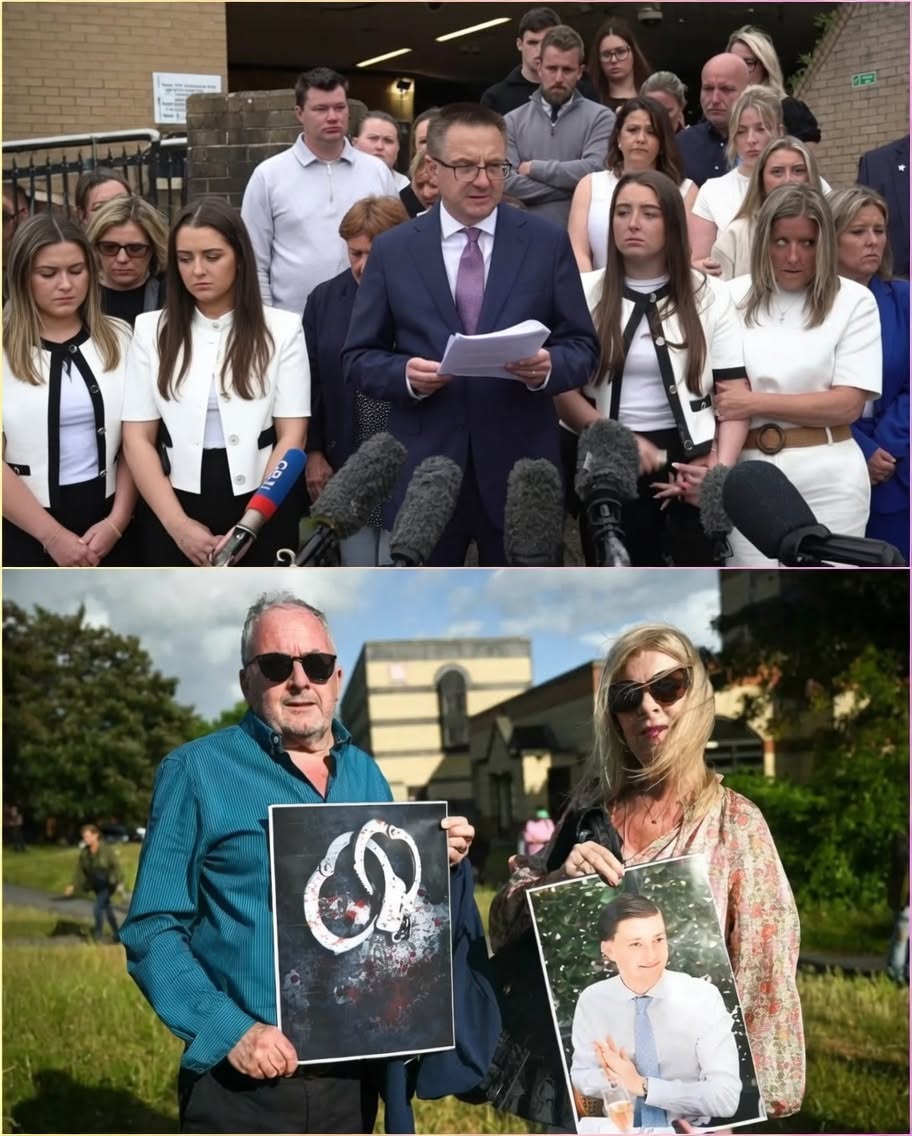
Fresh Developments in the Henry Nowak Case Renew Debate Over Police Accountability and Public Confidence
The investigation surrounding the Henry Nowak case has entered a new phase following reports that four police officers connected to the initial response have been removed from front-line duties while official inquiries continue. The development has attracted significant public attention and renewed debate about police accountability, transparency, and the procedures followed after serious incidents. Although investigations remain ongoing, the latest decision has prompted fresh questions about how the case was handled and what further findings may emerge.
The Henry Nowak case has become one of the most closely watched policing matters in recent months, drawing widespread discussion among politicians, legal experts, community representatives, and members of the public. As official investigations continue, many observers emphasize the importance of allowing the established investigative process to reach its conclusions before determining individual responsibility.
According to reports, the officers’ removal from front-line operational duties is an administrative measure taken while inquiries are underway. Such decisions do not, by themselves, establish wrongdoing or disciplinary liability. Police organizations sometimes reassign officers during sensitive investigations in order to protect the integrity of the inquiry and maintain public confidence.
The latest development has nevertheless intensified public interest in the case. Many members of the public have called for greater transparency regarding the timeline of events, the decisions made by responding officers, and the procedures followed after the incident. Families, community organizations, and campaign groups have argued that clear communication from investigators is essential to maintaining trust.
Supporters of a thorough investigation argue that every aspect of the police response should be carefully examined. They believe that independent oversight plays an important role whenever questions arise about the conduct of public officials, particularly in cases involving serious injury or loss of life. In their view, accountability strengthens confidence in policing rather than weakening it.
Others have urged caution against reaching conclusions before the investigation is completed. Representatives of police associations and legal commentators have noted that officers involved in major incidents are entitled to due process, and that investigative findings should be based on evidence rather than speculation or public pressure. They stress that administrative measures should not be interpreted as proof of misconduct.
The case has also revived discussion about the role of independent oversight bodies in reviewing police conduct. In the United Kingdom, serious incidents involving police actions or responses may be examined by independent authorities, whose purpose is to establish the facts, determine whether professional standards were met, and recommend further action where appropriate.
Legal experts explain that investigations of this nature often involve reviewing body-worn camera footage, emergency communications, witness statements, forensic evidence, and operational decision-making. Because these inquiries are detailed and evidence-based, they can require considerable time before final conclusions are reached.
The public debate has expanded beyond the specific circumstances of the Henry Nowak case to include broader questions about policing standards, officer training, emergency response procedures, and public accountability. Many commentators argue that high-profile investigations often become catalysts for wider discussions about institutional practices and potential reforms.
Community leaders have emphasized the importance of maintaining public trust throughout the investigative process. They argue that confidence in policing depends not only on effective law enforcement but also on openness, impartiality, and the willingness of institutions to examine their own actions when concerns are raised.
At the same time, policing experts note that officers regularly face complex and rapidly evolving situations requiring difficult decisions under significant pressure. They caution that operational decisions should be evaluated within the context in which they were made, taking into account the information available at the time rather than solely with the benefit of hindsight.
are lawfully admitted.
Media analysts note that statements by high-profile political leaders often receive extensive attention online, where short quotations can spread rapidly without the broader context of a full speech or interview. They encourage audiences to consider complete policy proposals and verified information rather than relying solely on viral excerpts.
Whether welcomed or criticized, Geert Wilders’ comments continue to shape political discussion in the Netherlands and across Europe. They reflect one side of a wider debate over immigration, national identity, integration, and demographic change that remains highly significant in European politics. As governments continue to consider future immigration reforms, these issues are likely to remain central topics in public debate, parliamentary discussion, and election campaign for years to come.