
BBC REPORT ON ASYLUM SEEKERS REIGNITES UK IMMIGRATION DEBATE AS NEW GOVERNMENT PLAN DRAWS STRONG REACTIONS
A BBC report has reignited a heated national debate over immigration after highlighting research suggesting that some of the nationalities most commonly represented among asylum seekers have higher offending rates than the wider population. The broadcast quickly attracted widespread attention online, with supporters claiming it acknowledged concerns that had long been dismissed, while critics argued that the findings risk being misunderstood or unfairly generalized. At the same time, the UK government has unveiled proposals that could require some successful asylum applicants to repay part of the taxpayer-funded support they received, adding another controversial dimension to an already divisive political issue.
During the BBC segment, it was explained that while the Ministry of Justice does not collect crime statistics based on immigration status, it does record the self-reported nationality of convicted offenders. According to figures cited in the report, the most common nationalities among people claiming asylum in the year ending March 2026 were Pakistani, Eritrean, Iranian, Afghan and Bangladeshi. Researcher Ben Brindle of the Migration Observatory was quoted as saying there is an overlap between some of the countries from which asylum seekers most commonly arrive and higher offending rates. However, he also stressed that only a minority of asylum seekers commit crimes, an important distinction that has remained central to the wider discussion. The report immediately sparked debate across social media, where some commentators argued it confirmed long-standing public concerns, while others emphasized that crime statistics should not be used to characterize entire communities or all asylum seekers.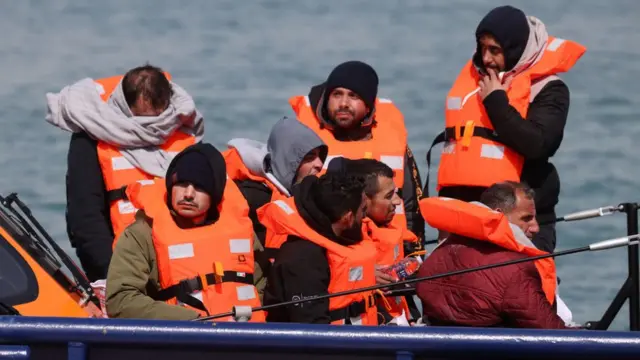
Attention also turned to new proposals reportedly being developed by the UK government regarding financial support for asylum seekers. Under the plans discussed, migrants who are granted the right to remain in Britain and later earn above a certain income threshold could be required to repay part of the accommodation and financial assistance they received while their asylum claims were being processed. Reports suggested the repayment could total around £10,000, although ministers have not yet confirmed the final earnings threshold or implementation details. The proposal follows government concerns over the growing cost of the asylum system, with official figures indicating that approximately £4 billion was spent supporting asylum seekers during the previous year. Supporters of the proposal argue that it is reasonable for individuals who later become financially stable to contribute toward the public support they received. Critics, however, have described the measure as a “refugee tax,” arguing that many asylum seekers are legally prevented from working while awaiting decisions on their applications and therefore should not later be expected to repay assistance received during that period.
The video transcript also discussed broader disagreements over Labour’s immigration policies, including reported plans to examine additional safe and legal refugee pathways inspired by previous schemes established for people fleeing Ukraine. The presenter argued that expanding legal routes while public concern over illegal migration remains high sends conflicting political messages. He questioned whether new humanitarian programs should be introduced while debates continue over border security, crime, housing costs and the financial burden placed on taxpayers. These views reflect the presenter’s political opinions rather than established government policy. Supporters of expanded legal pathways argue that safe and regulated routes can reduce dangerous irregular migration and improve the management of asylum applications, while opponents believe greater emphasis should be placed on stronger border enforcement and reducing overall migration levels.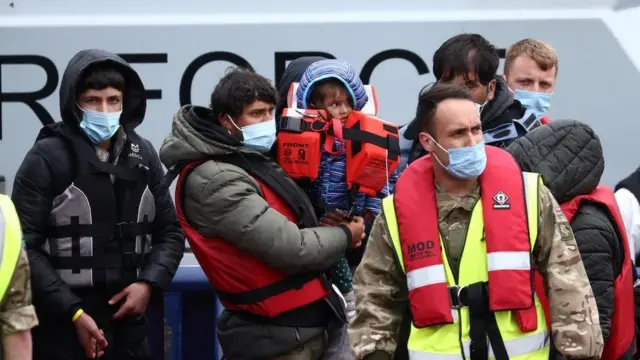
Immigration remains one of the most politically sensitive issues facing the United Kingdom, with public opinion sharply divided over how the country should balance humanitarian responsibilities, public finances and national security. The BBC report, combined with the government’s proposed repayment policy, has intensified discussion over whether existing asylum policies require significant reform. While some believe the latest developments demonstrate a shift toward a tougher approach to migration, others continue to argue that policy decisions should avoid generalizations about asylum seekers and remain focused on individual responsibility under the law. As ministers continue considering future changes to the asylum system, the debate surrounding immigration, taxpayer costs, border control and community safety is expected to remain a major issue in British politics throughout the coming months.