
LANCASHIRE BECOMES FIRST COUNCIL TO LEAVE REFUGEE RESETTLEMENT SCHEME, SPARKING A NATIONAL DEBATE

A decision by Lancashire County Council to withdraw from the UK’s refugee resettlement programme has triggered a fresh political debate over immigration, local government funding, and the balance between humanitarian responsibilities and growing pressure on public services.
The move, believed to make Lancashire the first local authority to formally step away from the national refugee resettlement scheme, has drawn widespread attention across Britain. Supporters describe it as a practical response to increasing financial and operational pressures facing councils, while critics argue it risks weakening the UK’s long-standing commitment to protecting people fleeing war and persecution.
The announcement has reignited discussion over how local authorities should manage limited resources at a time of rising demand for housing, healthcare, education, and social care.
A Decision Driven by Local Pressures
Council leaders say the decision reflects mounting concerns about Lancashire’s ability to continue supporting new refugee arrivals while meeting the needs of existing residents.
Like many councils across England, Lancashire has faced years of financial pressure alongside growing demand for essential public services. Officials argue that available housing, school places, healthcare provision, and social services are already under considerable strain.
According to supporters of the decision, local government has a responsibility to ensure that existing communities receive adequate support before committing to additional obligations that require significant long-term resources.
They argue that the withdrawal is not a rejection of refugees themselves but rather an acknowledgment that local capacity is finite.
Supporters Say Communities Must Come First
Those backing Lancashire’s decision believe it reflects concerns shared by many local residents.
They argue that councils must be free to determine whether they have sufficient housing, staffing, and funding to accommodate additional arrivals without placing further pressure on already stretched services.
Supporters also point to the continuing shortage of affordable housing across many parts of England, saying local families waiting for homes should remain a priority.
Others contend that the financial assistance provided by central government does not always cover the full long-term costs associated with refugee resettlement, leaving councils to absorb additional expenses after initial funding ends.
For many advocates of the decision, the issue is fundamentally about local accountability and ensuring that elected councils retain the flexibility to respond to their own communities’ needs.
Critics Warn of Humanitarian Consequences
The decision has also attracted significant criticism from refugee organizations, charities, and some political leaders.
Opponents argue that refugee resettlement programmes provide protection for individuals and families fleeing conflict, persecution, and humanitarian crises, many of whom have already undergone extensive security and eligibility checks before arriving in the United Kingdom.
Critics warn that if additional councils were to follow Lancashire’s example, the country’s capacity to welcome vulnerable refugees through legal resettlement routes could be significantly reduced.
Some also argue that local financial pressures should be addressed through increased central government funding rather than by limiting participation in humanitarian programmes.
Others expressed concern that the decision could send an unwelcome message about Britain’s commitment to international refugee protection.
A Wider Debate on Immigration
Lancashire’s announcement comes during a period of heightened national discussion over immigration and asylum policy.
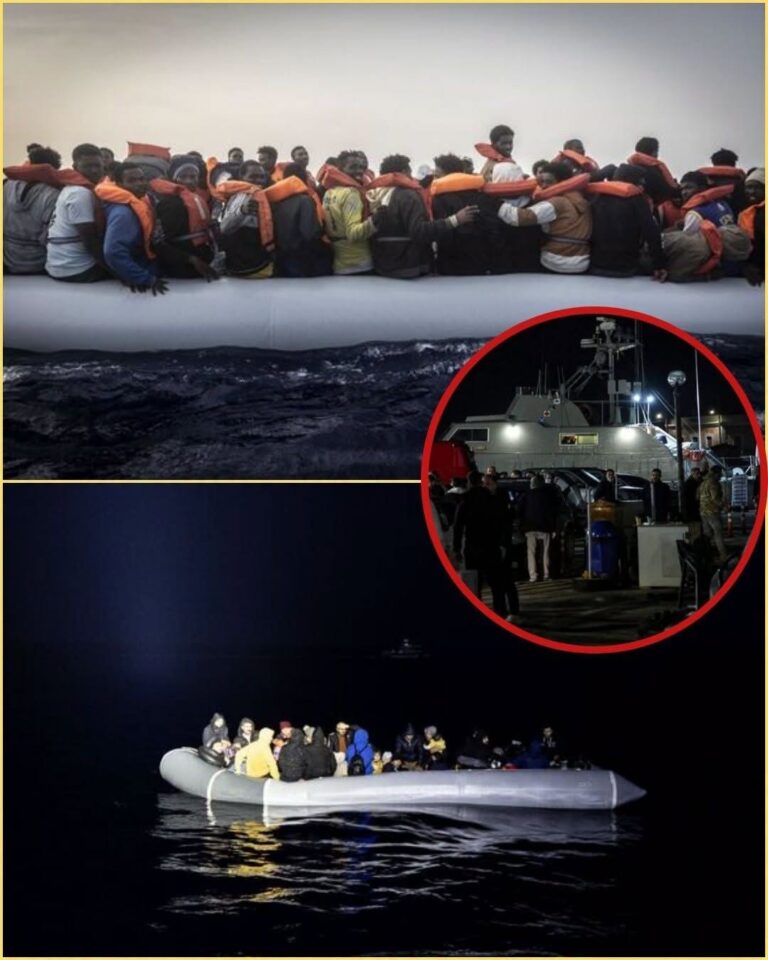
The UK government continues to face pressure to reduce irregular migration across the English Channel while also managing record asylum backlogs and rising accommodation costs.
Immigration has become one of the defining issues in British politics, with debate extending well beyond border security to include housing availability, labour shortages, public spending, and integration.
Supporters of stricter immigration controls argue that local communities need greater protection from increasing demand on public services.
Others maintain that Britain can both manage immigration effectively and continue meeting its humanitarian responsibilities under international law.
These competing priorities have created one of the most politically sensitive policy debates in the country.
Could Other Councils Follow?
One of the biggest questions emerging from Lancashire’s decision is whether other local authorities might now reconsider their own participation in refugee resettlement programmes.
Many councils throughout England have publicly highlighted similar challenges involving housing shortages, budget constraints, and increasing demand for social care.
If more authorities conclude that they lack the capacity to continue accepting additional refugee families, pressure could grow on central government to review funding arrangements or introduce changes to the national resettlement system.
Conversely, some councils have reaffirmed their commitment to continuing refugee resettlement, arguing that welcoming vulnerable people remains an important civic and humanitarian responsibility despite financial pressures.
Balancing Local Needs and National Responsibilities
The debate ultimately reflects a broader challenge facing governments across Europe.
Local authorities are expected to deliver essential public services while also contributing to national immigration and refugee policies. When resources become increasingly limited, difficult decisions often follow.
Supporters of Lancashire’s approach argue that councils must have the authority to determine what their communities can realistically support.
Critics respond that refugee protection is a national responsibility that should not depend solely on the financial circumstances of individual local authorities.
Finding a balance between these competing priorities remains one of the most difficult questions confronting policymakers.
A Decision with National Significance
Whether Lancashire’s withdrawal proves to be an isolated case or the beginning of a broader trend remains uncertain.
What is clear, however, is that the decision has expanded beyond local politics to become part of a much larger national conversation about immigration, public spending, housing, and the future role of local government.
As pressure on public services continues and immigration remains high on the political agenda, councils across the country will likely face increasing scrutiny over how they allocate limited resources.
For now, Lancashire has become the first authority to take this step—but its decision may influence discussions far beyond the county’s borders as Britain continues to debate how best to balance local priorities with national and humanitarian responsibilities.