Fourteen Migrants Drown After Coast Guard Collision Off Turkey, Reigniting Debate Over Border Enforcement and Humanitarian Risk

Fourteen migrants have died after a boat carrying them collided with a Turkish coast guard vessel off Turkey’s Mediterranean coast, turning another desperate sea crossing into a national and international tragedy. The incident occurred near Antalya province during what officials described as a pursuit after the migrant vessel allegedly ignored warnings to stop. According to reports citing Turkish authorities, the boat was carrying Afghan migrants and was moving at high speed when the collision took place. Seven people were rescued from the sea, while search and rescue teams continued operations by land, sea, and air for anyone still missing. Turkish authorities have opened both judicial and administrative investigations into the deadly incident.
The tragedy has immediately raised difficult questions about border enforcement, coast guard procedures, human smuggling networks, and the dangers faced by migrants attempting irregular sea crossings. For officials, the incident highlights the challenges faced by coast guard crews trying to stop dangerous and unauthorized journeys before they end in disaster. For humanitarian groups and migration observers, it is another painful reminder that people fleeing hardship, insecurity, or lack of opportunity are often pushed into the hands of smugglers and onto unsafe vessels. What began as a pursuit at sea has now become a wider debate over responsibility, prevention, and the cost of current migration routes.
Officials said the incident unfolded near the coast of Demre in Antalya province, a region that has long been connected to migration routes across the eastern Mediterranean. The migrant boat reportedly failed to comply with coast guard instructions and attempted evasive maneuvers before the collision. Such details will now be central to the investigation, as authorities examine how the chase began, what warnings were issued, how the vessels moved, and whether operational procedures were followed. In deadly incidents involving state vessels and civilian boats, investigators typically face pressure to establish not only what happened, but whether the loss of life could have been avoided.
The human cost remains the most devastating part of the story. Fourteen people who boarded a small vessel in search of safety, work, family reunification, or passage toward Europe never reached their destination. Behind every number is a life interrupted: a family waiting for news, a journey shaped by fear and uncertainty, and a decision made under conditions most people will never face. Survivors rescued from the water were reportedly given medical assistance, while others who reached shore were detained by authorities. The contrast between rescue, detention, investigation, and mourning captures the complexity of migration enforcement at sea.
The incident has also renewed attention on human smuggling networks that profit from dangerous crossings. Migrants are frequently placed on overcrowded, poorly equipped boats with little protection against weather, mechanical failure, or interception by authorities. Smugglers often disappear once payment has been made, leaving passengers exposed to the sea and to law enforcement operations. When a vessel attempts to flee coast guard units, the risk multiplies rapidly. High speed, poor visibility, fear among passengers, and unstable boats can turn a dangerous journey into a fatal disaster within seconds.
Turkey occupies a critical position in regional migration routes because of its geography, bordering conflict-affected regions and sitting close to European Union entry points. Over the past decade, the country has hosted large numbers of refugees and migrants while also facing pressure to prevent irregular departures toward Europe. Its coast guard regularly intercepts vessels in the Aegean and Mediterranean, often in difficult and fast-moving conditions. Supporters of strict enforcement argue that stopping boats prevents even greater loss of life. Critics argue that enforcement alone cannot solve a crisis driven by war, poverty, persecution, and limited legal pathways.
The latest deaths will likely intensify debate over how coast guards should respond when migrant vessels refuse to stop. Maritime enforcement is a high-risk environment, particularly when small inflatable boats or speedboats are involved. Authorities must decide how to prevent illegal crossings while avoiding actions that could endanger passengers. Pursuits at sea can become unpredictable, especially if the vessel being chased is overloaded or operated by someone trying to evade arrest. The investigation in Turkey will therefore be watched closely for its findings on tactics, decision-making, and accountability.
At the same time, the tragedy has broader political implications. Migration remains one of the most divisive issues across Europe and surrounding regions. Governments face public pressure to secure borders, reduce smuggling, and stop irregular arrivals. Human rights organizations urge states to prioritize rescue, safe passage, and protection obligations. Local communities often demand answers about security and resources, while migrant families demand dignity and due process. The deaths off Antalya sit at the intersection of all these pressures, making the case far more than a single maritime accident.
Public reaction has been intense because the incident combines several explosive issues: border security, migrant deaths, coast guard conduct, and the role of smugglers. Some observers argue that stronger deterrence is necessary to prevent people from boarding unsafe vessels in the first place. Others say deterrence policies often make journeys more dangerous by forcing migrants onto riskier routes and into more desperate decisions. Both arguments are now likely to reappear as politicians, commentators, and campaigners respond to the loss of life. The result is a debate driven by grief, anger, fear, and competing visions of responsibility.
Search and rescue operations after such incidents are often physically and emotionally difficult. Teams must work against time, weather, darkness, currents, and uncertainty about how many people were on board. Survivors may be traumatized, injured, or unable to provide clear information immediately. In many migrant boat disasters, passenger counts are unclear because smugglers do not keep reliable records and migrants may travel without documents. That uncertainty adds to the pain for families waiting for confirmation and to the difficulty for authorities trying to establish an accurate death toll.
The legal investigation will likely examine the actions of both the migrant vessel’s operator and the coast guard crew. If smugglers or organizers were involved, prosecutors may pursue charges connected to human trafficking or migrant smuggling. If questions arise about enforcement procedures, the administrative review may look at whether rules of engagement and safety protocols were followed. The existence of both judicial and administrative investigations suggests officials understand the seriousness of the case and the need for formal scrutiny. For the public, however, trust will depend on transparency and credible findings.
Humanitarian advocates will likely argue that tragedies like this show the urgent need for safer migration systems. They often point out that when legal pathways are limited, people may still attempt dangerous journeys because the pressures pushing them forward are stronger than the fear of the sea. Conflict, persecution, poverty, family separation, and lack of future prospects can all drive people toward smugglers. While not every person on a migrant boat qualifies for asylum, every person on board is still exposed to real physical danger. That danger becomes impossible to ignore when bodies are pulled from the water.
Security-focused voices will likely respond that uncontrolled maritime routes cannot be tolerated, especially when smugglers are placing lives at risk and challenging state authority. They argue that coast guards must be able to stop unauthorized vessels, investigate criminal networks, and prevent illegal crossings. From this view, failing to intercept boats may encourage more departures and allow smugglers to operate with greater confidence. The challenge for governments is that both enforcement and rescue obligations exist at the same time. When either side is ignored, the result can be deadly.
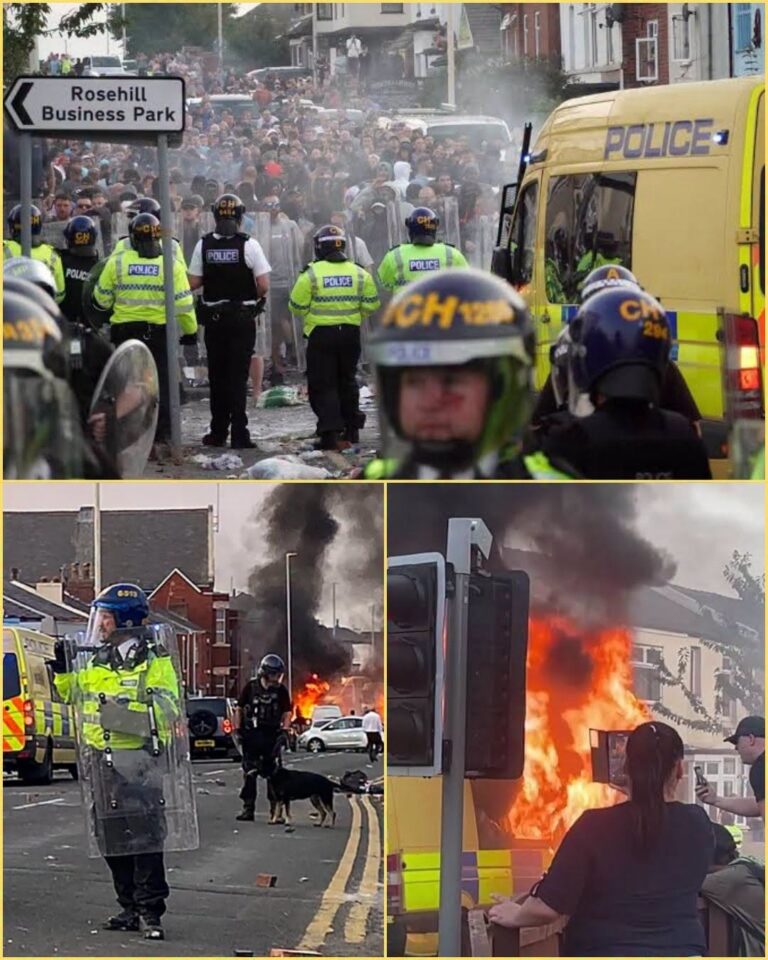
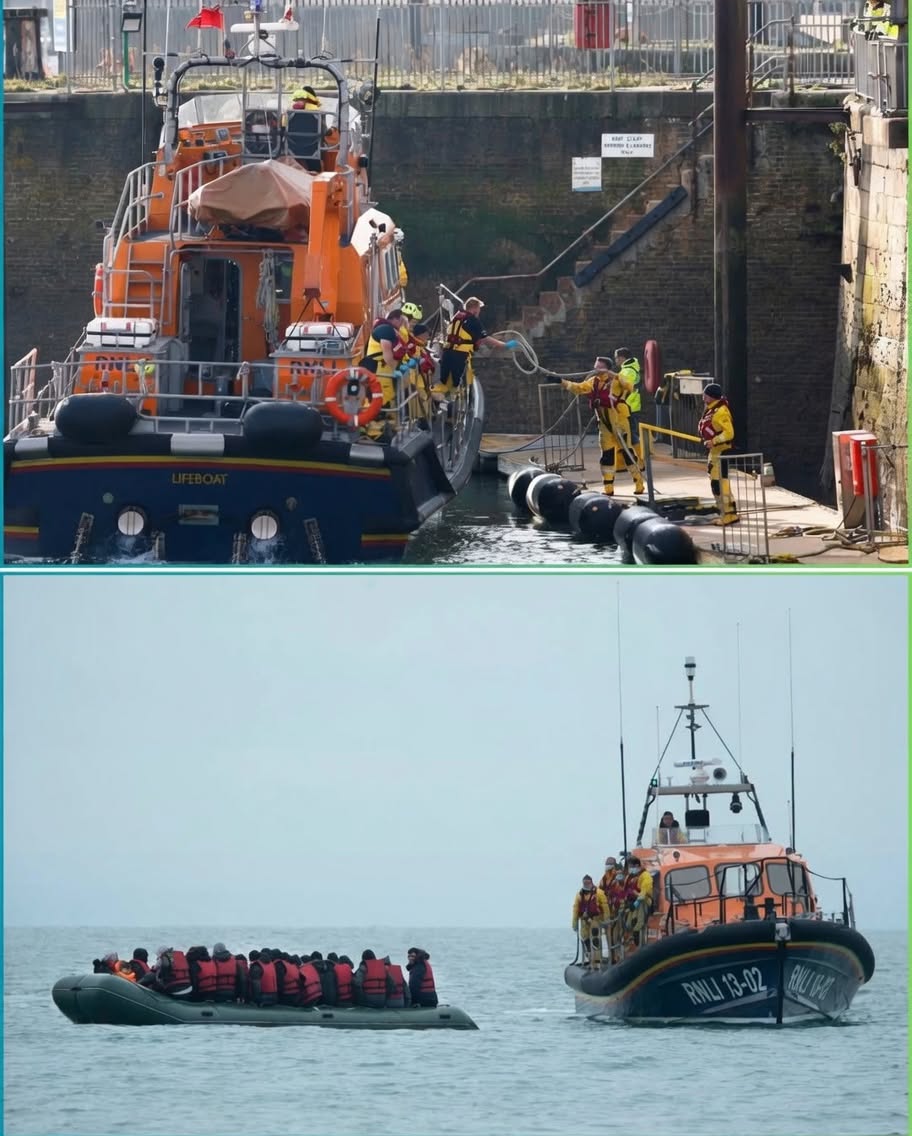
The tragedy also shows how easily misinformation can spread after breaking incidents. Some online posts incorrectly described the case as involving the UK Coast Guard, but available reporting identifies the incident as taking place off Turkey and involving the Turkish Coast Guard. That distinction matters because false details can distort public debate and inflame anger in countries not directly involved in the event. Accurate reporting is especially important when deaths, migration, and law enforcement are involved. In moments of grief and outrage, facts must come before political framing.
For now, fourteen deaths off Turkey’s coast stand as another grim chapter in the ongoing migration crisis across the Mediterranean region. The investigation may eventually clarify exactly how the collision happened, who was responsible for the vessel’s movement, and whether different decisions could have prevented the disaster. But even before those findings are released, the broader lesson is already clear: dangerous migration routes continue to claim lives, enforcement operations remain fraught with risk, and governments face growing pressure to find policies that protect borders without sacrificing human life. Until those deeper problems are addressed, the sea will remain not only a route of hope, but a place where hope too often ends in tragedy.