POLAND’S BORDER POLICY RETURNS TO THESPOTLIGHT AS NEW REPORTS REIGNITE A EUROPE-WIDE DEBATE OVER SECURITY, MIGRATION, ANDHUMANITARIAN RESPONSIBILITY
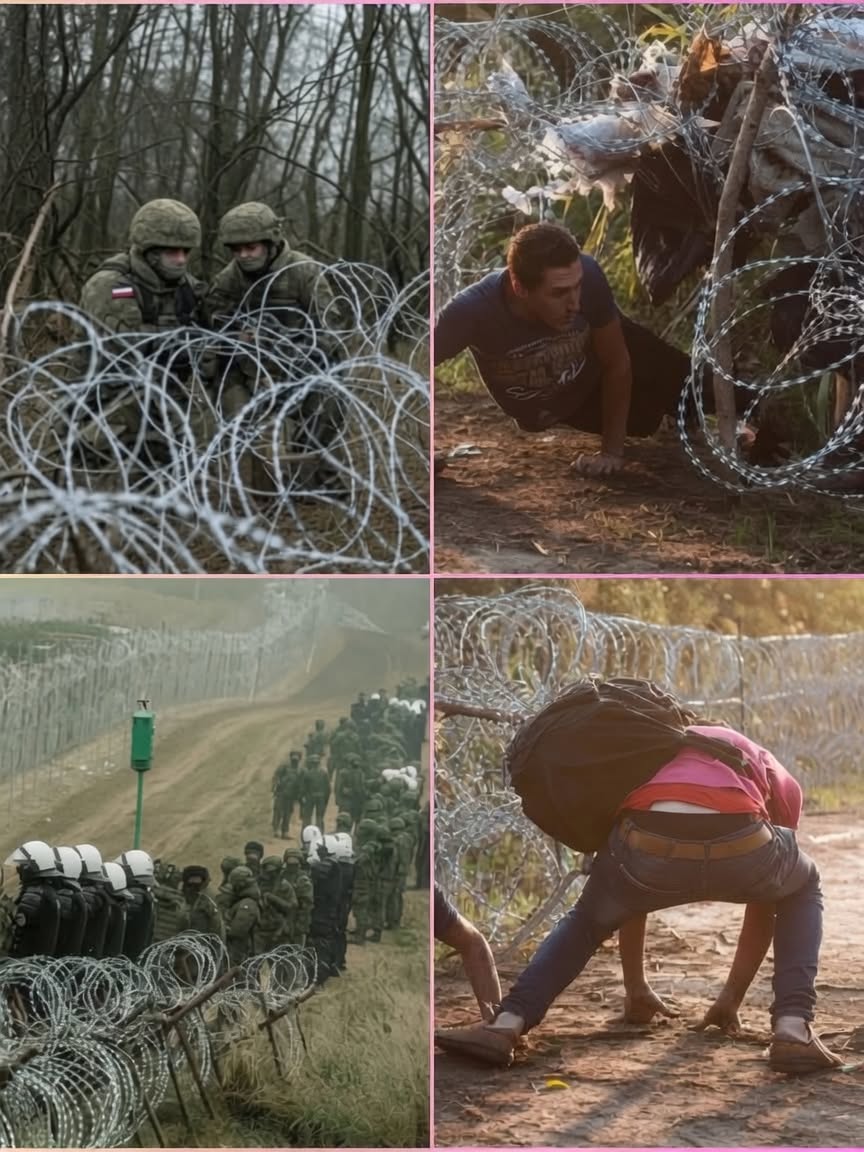
Poland’s border policy has once again become the focus of intense political debate across Europe following renewed reports that migrants attempting to cross the country’s border have been turned back by border authorities. The developments have sparked fresh discussion among European leaders, policymakers, human rights organizations, and the public about how the European Union should balance national security with humanitarian obligations. Supporters of Poland’s approach argue that firm border enforcement is necessary to protect national sovereignty and prevent irregular migration, while critics warn that stricter measures must remain consistent with international law and the rights of individuals seeking asylum. As the debate continues, Poland’s strategy has once again highlighted one of Europe’s most divisive and politically sensitive issues.
Migration has remained at the center of European politics for more than a decade, particularly since the migration crisis of 2015 fundamentally reshaped public discussion about border security and asylum policy. Countries across the European Union have adopted different approaches to managing migration, reflecting varying political priorities, geographic circumstances, and domestic public opinion. Poland has consistently argued that effective border control is an essential responsibility of every sovereign state and that protecting the European Union’s external borders benefits the entire bloc. Supporters believe strong enforcement deters illegal crossings, disrupts human smuggling networks, and helps preserve confidence in lawful immigration systems.
The latest reports concerning migrants being turned back at Poland’s border have once again drawn widespread international attention. According to supporters of the policy, border officers are enforcing national laws designed to prevent unauthorized entry while maintaining order at one of the European Union’s most strategically important frontiers. They argue that allowing uncontrolled irregular migration could encourage additional crossings, place pressure on border communities, and create security challenges that extend well beyond Poland itself. In their view, firm border management serves both national interests and broader European security objectives.
Critics, however, have expressed serious concerns regarding the humanitarian implications of such measures. Human rights organizations and refugee advocacy groups argue that every individual seeking international protection should have access to fair asylum procedures before any removal or return takes place. They contend that border enforcement must always comply with international refugee law, European human rights standards, and legal safeguards designed to protect vulnerable individuals. According to these organizations, governments have both the right to control their borders and the responsibility to ensure that people fleeing persecution receive appropriate legal consideration.
At the heart of the debate lies the distinction between irregular migration and asylum. Under international law, states generally retain the authority to regulate entry into their territory and combat illegal border crossings. At the same time, individuals have the right to seek asylum if they fear persecution or serious harm in their country of origin. Determining whether someone qualifies for international protection often requires careful legal assessment rather than immediate assumptions. This legal complexity explains why migration policy continues to generate significant political disagreement throughout Europe.
Poland has consistently maintained that border security is essential not only for its own citizens but also for protecting the European Union’s external frontier. Government officials have argued that neighboring countries facing significant migration pressure should not bear the burden alone and that effective external border management contributes to the stability of the entire Schengen Area. Supporters believe that if external borders are not effectively managed, public confidence in free movement within Europe could gradually weaken. From this perspective, border enforcement and European integration are viewed as complementary rather than contradictory objectives.
The debate has become increasingly connected to concerns about organized criminal networks involved in migrant smuggling. European law enforcement agencies have repeatedly warned that criminal organizations profit by transporting migrants across international borders, often exposing vulnerable individuals to dangerous conditions, exploitation, and abuse. Supporters of stronger border controls argue that reducing illegal crossings can also reduce opportunities for smugglers to operate. They believe disrupting these criminal networks ultimately protects both national security and migrants themselves.
Opponents respond that tougher border enforcement alone cannot resolve the underlying causes driving migration. Armed conflict, political instability, economic hardship, climate-related challenges, and human rights abuses continue to displace millions of people worldwide. Humanitarian organizations argue that unless these root causes are addressed through international cooperation and diplomatic efforts, migration pressures are likely to continue regardless of individual border policies. They therefore advocate combining border management with expanded legal migration pathways, humanitarian assistance, and international burden-sharing.
The European Union itself remains divided over the most effective long-term migration strategy. While many member states support stronger external border protection, significant differences remain regarding asylum reform, relocation mechanisms, and responsibility-sharing among EU countries. Some governments favor mandatory solidarity measures, while others argue that migration policy should remain primarily under national control. Poland has frequently emphasized the importance of national sovereignty in determining its own border policies, reflecting a broader political philosophy that prioritizes domestic decision-making over centralized European mandates.
Public opinion across Europe also reflects these differing perspectives. In several countries, concerns about border security have become major electoral issues influencing national politics. Some citizens believe governments should introduce stricter enforcement to reduce irregular migration and strengthen public confidence in immigration systems. Others argue that Europe should continue upholding humanitarian traditions by ensuring that vulnerable people have access to protection and fair legal procedures. These competing priorities often shape election campaigns, parliamentary debates, and public policy discussions throughout the continent.
At the heart of the debate lies the distinction between irregular migration and asylum. Under international law, states generally retain the authority to regulate entry into their territory and combat illegal border crossings. At the same time, individuals have the right to seek asylum if they fear persecution or serious harm in their country of origin. Determining whether someone qualifies for international protection often requires careful legal assessment rather than immediate assumptions. This legal complexity explains why migration policy continues to generate significant political disagreement throughout Europe.
Poland has consistently maintained that border security is essential not only for its own citizens but also for protecting the European Union’s external frontier. Government officials have argued that neighboring countries facing significant migration pressure should not bear the burden alone and that effective external border management contributes to the stability of the entire Schengen Area. Supporters believe that if external borders are not effectively managed, public confidence in free movement within Europe could gradually weaken. From this perspective, border enforcement and European integration are viewed as complementary rather than contradictory objectives.
The debate has become increasingly connected to concerns about organized criminal networks involved in migrant smuggling. European law enforcement agencies have repeatedly warned that criminal organizations profit by transporting migrants across international borders, often exposing vulnerable individuals to dangerous conditions, exploitation, and abuse. Supporters of stronger border controls argue that reducing illegal crossings can also reduce opportunities for smugglers to operate. They believe disrupting these criminal networks ultimately protects both national security and migrants themselves.
Opponents respond that tougher border enforcement alone cannot resolve the underlying causes driving migration. Armed conflict, political instability, economic hardship, climate-related challenges, and human rights abuses continue to displace millions of people worldwide. Humanitarian organizations argue that unless these root causes are addressed through international cooperation and diplomatic efforts, migration pressures are likely to continue regardless of individual border policies. They therefore advocate combining border management with expanded legal migration pathways, humanitarian assistance, and international burden-sharing.
The European Union itself remains divided over the most effective long-term migration strategy. While many member states support stronger external border protection, significant differences remain regarding asylum reform, relocation mechanisms, and responsibility-sharing among EU countries. Some governments favor mandatory solidarity measures, while others argue that migration policy should remain primarily under national control. Poland has frequently emphasized the importance of national sovereignty in determining its own border policies, reflecting a broader political philosophy that prioritizes domestic decision-making over centralized European mandates.
Public opinion across Europe also reflects these differing perspectives. In several countries, concerns about border security have become major electoral issues influencing national politics. Some citizens believe governments should introduce stricter enforcement to reduce irregular migration and strengthen public confidence in immigration systems. Others argue that Europe should continue upholding humanitarian traditions by ensuring that vulnerable people have access to protection and fair legal procedures. These competing priorities often shape election campaigns, parliamentary debates, and public policy discussions throughout the continent.