
Farage vows to STOP small boats in 100 days as Reform targets welfare cuts, taxes and green levies

Nigel Farage is preparing to promise sweeping action on immigration, welfare and the cost of living during the first 100 days of any future Reform UK government.
The Reform leader is expected to use his party’s annual conference in Birmingham to argue that Britain is facing what he describes as a “national emergency” requiring unusually rapid action.

+3
View gallery
Nigel Farage pictured at the business day at the Reform UK Annual Conference at the NEC in Birmingham

+3
View gallery
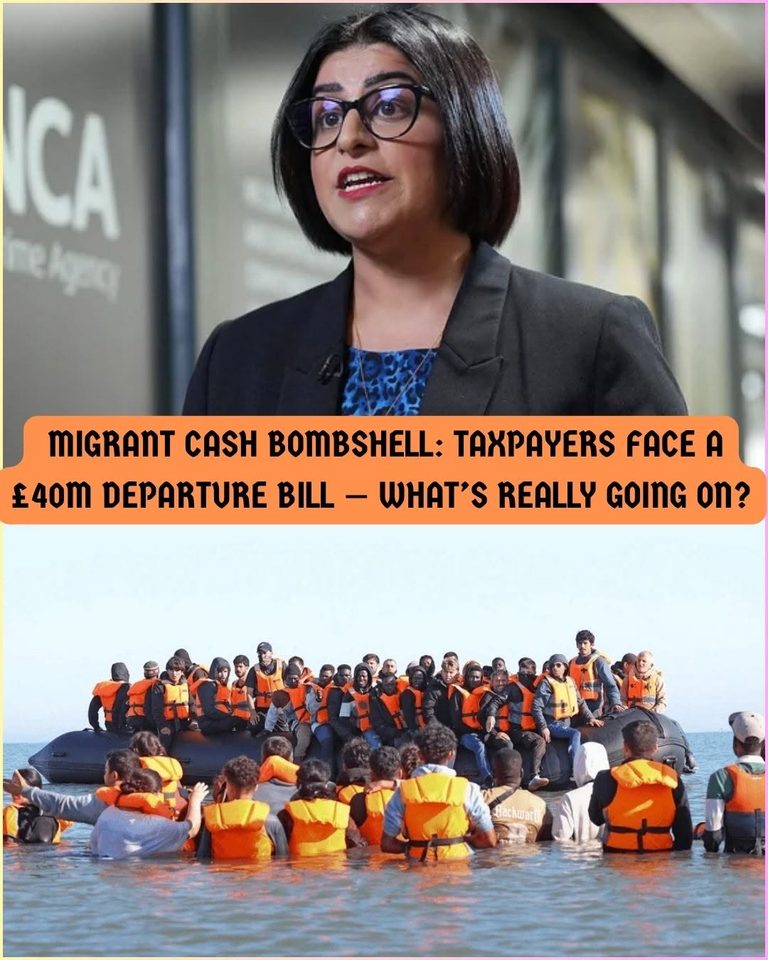
Migrants on board a taxi boat at the beach at Camiers in France before they cross the English Channel

+3
View gallery
A person attending the business day of Reform UK Annual Conference on September 3
According to the party’s plans, one of the biggest priorities would be stopping small-boat crossings in the English Channel.
Farage is set to claim that a Reform government could achieve that goal within 100 days and has indicated he would personally oversee the policy.
The party has previously proposed leaving or overriding international human-rights rules it believes restrict immigration enforcement, preventing people who enter Britain illegally from claiming asylum and returning boats towards France.
Farage is also due to hold talks with Jordan Bardella, president of France’s National Rally, over possible cooperation on Channel crossings.
Bardella has previously suggested his party would be willing to work with Reform on measures including allowing British authorities to return small boats towards France.
Reform has heavily criticised the UK Government’s existing financial arrangements with Paris.
Deputy leader Richard Tice argued that Britain should not continue sending hundreds of millions of pounds to France if crossings are still taking place.
He said Reform’s preferred approach would be to intercept, rescue and return boats.
Beyond immigration, the party is preparing a much broader economic programme.
Reform Treasury spokesman Robert Jenrick said an emergency Budget would aim to reduce public spending by around £80billion.
Around half of those savings would reportedly come from the welfare system.
Jenrick argued that the spending reductions could lower annual government debt-interest costs by £28billion and create room for tax cuts.
Reform is also proposing to remove green levies from household energy bills, claiming the move could save the average household around £250 a year.
Farage is expected to warn his own frontbench team that ministers who fail to deliver quickly after entering government would be removed.
Party figures have been instructed to prepare a large number of Bills that could be introduced almost immediately after an election victory.
A Reform spokesman said Parliament could even be required to sit through the summer and operate seven days a week in order to pass the legislation.
Farage is also expected to signal that he would take a confrontational approach towards institutions he believed were blocking the government’s agenda.
He is reportedly preparing to warn the House of Lords, the judiciary and the civil service that Reform would not allow them to obstruct policies for which the party claimed an electoral mandate.
Among the more controversial possibilities being discussed is expanding the House of Lords with large numbers of new peers if existing members attempted to frustrate Reform legislation.
The programme comes at a challenging political moment for Farage.
He has acknowledged frustration over recent controversies surrounding Reform’s finances, including questions over a £5million donation from a Thailand-based cryptocurrency billionaire.
The party has also lost some polling momentum amid Andy Burnham’s early period as Prime Minister and signs of a Conservative recovery under Kemi Badenoch.
Farage nevertheless intends to repeat his prediction that a general election will take place next year and will argue that Britain’s traditional two-party political system is breaking down.
The electoral landscape remains difficult.
A recent study by the Policy Institute at King’s College London found that 41 per cent of voters identified Reform as the party they most wanted to prevent from winning.
The research also suggested tactical voting could become an important factor in closely contested constituencies.
Farage’s conference message, however, will be focused less on those obstacles and more on speed.
His central argument is that a Reform government would not spend months preparing gradual changes.
Instead, he is promising an immediate burst of legislation aimed at immigration, public spending, welfare, energy bills and taxation — with the first 100 days designed to show voters that the party intends to move faster than any recent government.