
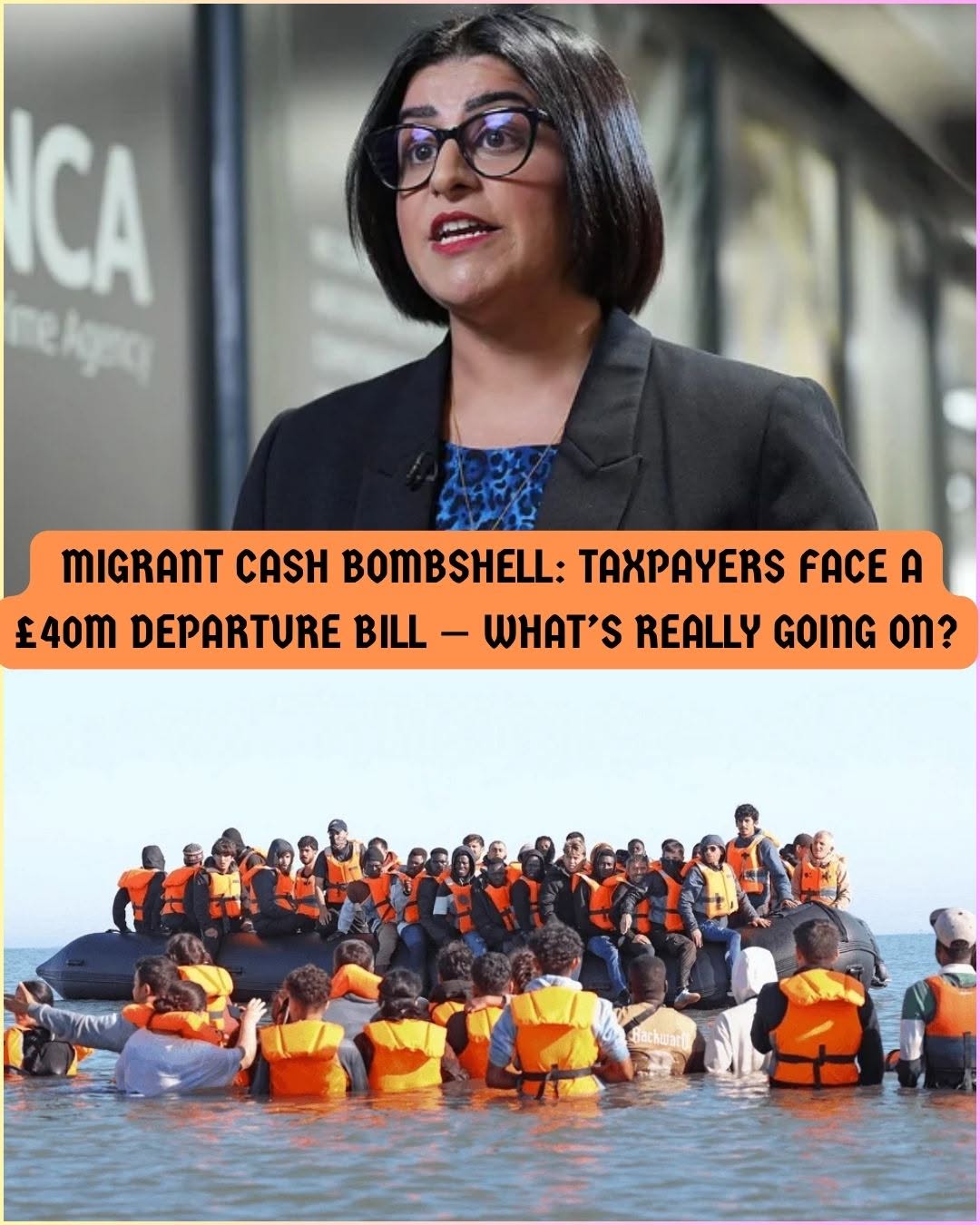
Taxpayers fork out £35m to fund migrants leaving UK under controversial returns scheme


More than 20,000 migrants have received taxpayer-funded assistance to leave Britain since Labour came to power
British taxpayers have spent more than £35 million helping over 20,000 migrants leave the UK through the Government’s assisted returns programme, according to a fresh investigation.
Under the scheme, individuals can receive up to £3,000 to cover travel and living expenses in exchange for agreeing to leave the country.
Brazilians account for the largest group by a considerable margin. Data shows that 8,901 Brazilian nationals accepted financial assistance to return home over a two-year period.
The Voluntary Returns Service, which deals with visa overstayers, rejected asylum seekers and other people without permission to remain in Britain, officially recorded spending of £35 million between July 2024 and March this year.
However, sources reportedly believe the total cost has since risen beyond £40 million.
The average payment stands at around £1,964 per person.
Indians were the second-largest group to use the scheme, with 3,629 people taking a Government-funded flight home.
They were followed by 746 Colombians and 468 Hondurans.
However, the figures reveal a striking contrast when it comes to nationalities heavily represented among people crossing the English Channel in small boats.
Only 77 Iranian nationals reportedly accepted the financial incentive, alongside 14 Afghans, 11 Sudanese, seven Eritreans and three Somalis.
The vast majority of people arriving in Britain by dinghy across the Channel appear to be rejecting the offer of financial assistance to leave voluntarily.
Shadow Home Secretary Chris Philp criticised Labour’s approach, arguing that the Government was spending money on departures rather than addressing illegal arrivals.
“Labour are paying illegal immigrants to leave instead of stopping them arriving in the first place,” he said.
“They have found an expensive way to avoid the actual problem.”
Mr Philp also argued that funding the departure of thousands of Brazilians would do little to address the Channel crossings.
“Paying off thousands of Brazilians does nothing about the boats crossing the Channel,” he said, pointing out that dinghy arrivals were “being returned at a rate of just seven per cent.”
He claimed the Conservatives’ Borders plan would allow illegal migrants to be forcibly deported, removing the need for financial incentives to encourage people to leave.
The cost of the Government’s approach could rise further following Home Secretary Shabana Mahmood’s decision to introduce a pilot scheme offering failed asylum seekers and their families up to £40,000 to leave Britain.
Those eligible have just one week to accept the one-off payment, which also includes flights to their home country.
The money is expected to be provided through pre-paid debit cards following departure.
The Home Office has defended the policy, arguing that voluntary returns offer better value for taxpayers than forced removals or continued accommodation in hotels.
Officials say a single forced removal costs around £48,000, with border officers required to accompany the individual throughout the journey.
The Government has also highlighted the cost of asylum accommodation, claiming that housing a family of three can cost approximately £158,000 per year.
A Home Office spokeswoman defended the assisted returns programme, saying encouraging people with no legal right to remain in the UK to leave voluntarily provides significant savings for taxpayers.
The department also said that returns under the current Government have increased by more than 50 per cent overall, while returns involving small boat arrivals have risen by almost 65 per cent.
The assisted returns programme is separate from the facilitated returns scheme, which is used to deport foreign criminals directly from prison.
The latest figures are likely to intensify the political debate over the Government’s approach to illegal migration, particularly as ministers face continued pressure to reduce small boat crossings and increase removals.