IT’S OVER? RUPERT LOWE SPARKS FRESH ROW OVER FOREIGN AID AS UK SPENDING PRIORITIES COME UNDER FIRE – hinhin
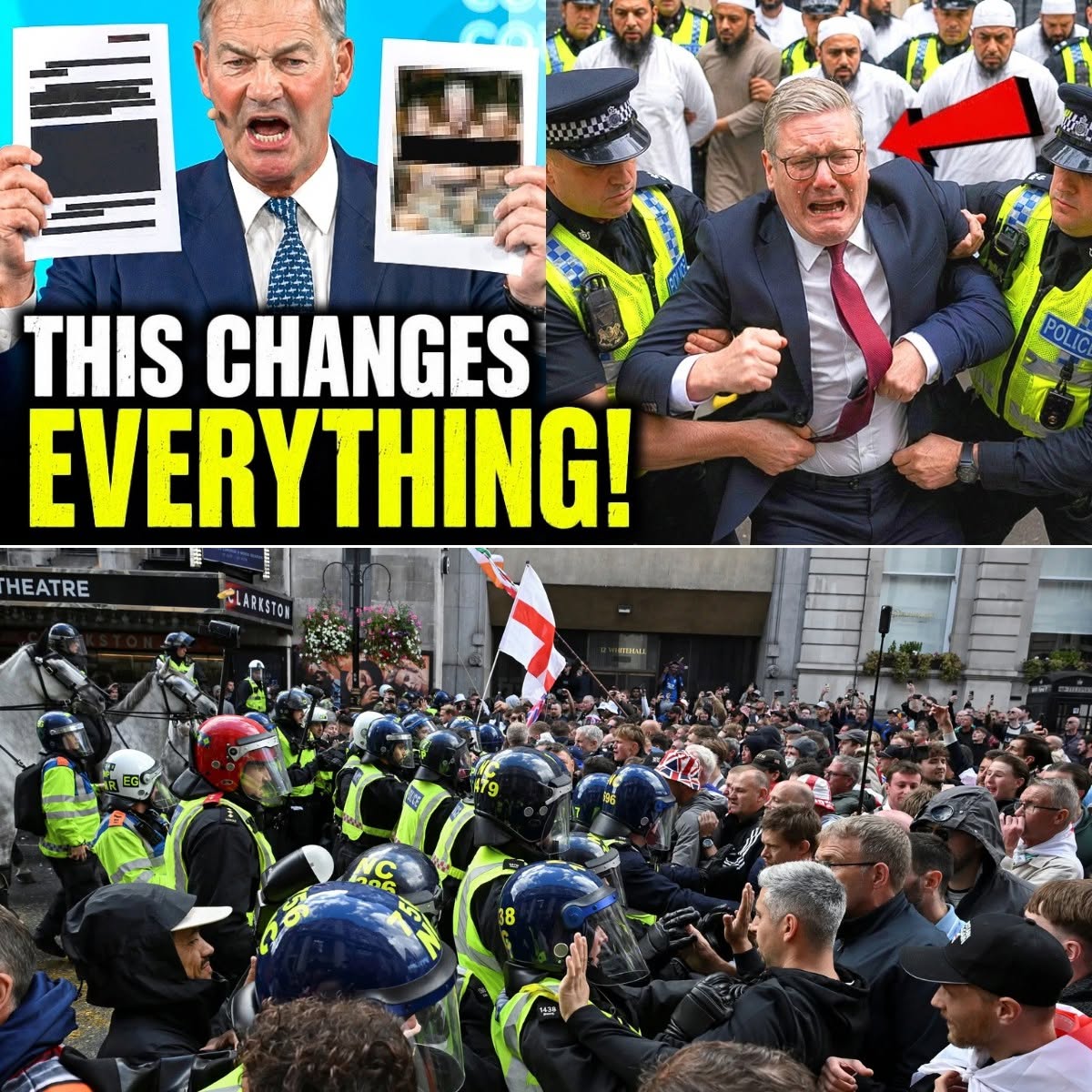
A fresh political debate has erupted in Britain after Rupert Lowe sharply criticized the government’s foreign aid policy, arguing that billions of pounds continue to leave the country while many communities at home struggle with mounting economic pressures.
Speaking in a video widely shared online, Lowe questioned why the UK continues providing financial assistance abroad at a time when public debt remains close to the size of the country’s annual economic output. Referring specifically to aid directed toward Pakistan, he argued that Britain’s relationship with the country should be fundamentally reassessed. According to Lowe, a future government led by his political movement would halt foreign aid to Pakistan, end immigration from the country, and pursue a significantly different diplomatic approach.
The comments come amid a wider national debate over government spending, taxation, and public finances. Lowe claimed British families are facing increasing financial burdens through higher taxes, inheritance tax changes affecting farms and family businesses, and continued pressure on household finances. In his view, the government should prioritize domestic investment before committing substantial sums overseas.
The video also references concerns surrounding historic grooming gang cases, with Lowe arguing that Britain should take a tougher stance toward countries he believes have failed to cooperate sufficiently with UK authorities. These remarks reflect his political position but remain part of an ongoing public debate over immigration, law enforcement, and foreign policy.
The video’s narrator expanded on Lowe’s argument by claiming many voters feel frustrated that large amounts of public money are spent abroad while local services continue to experience financial pressures. He suggested that foreign aid has become symbolic of what critics describe as misplaced government priorities.
To illustrate the argument, the commentator imagined how £100 billion could instead be invested inside England. He listed examples including building affordable housing, repairing roads and bridges, expanding NHS capacity, recruiting more police officers, improving schools, upgrading water infrastructure, revitalizing struggling town centres, strengthening energy security, improving transport networks, and supporting British farming.
Although the figures presented were hypothetical rather than official government proposals, they were used to argue that significant domestic investment could have a visible impact on everyday life across the country.
The discussion also broadened into wider criticism of public administration. The commentator questioned ongoing local government restructuring and argued that many reforms fail to address the problems experienced by ordinary residents. He further suggested that public services differ significantly across the United Kingdom, pointing to Scotland as an example of policies that differ from those available in England.
Beyond public spending, the video expressed concern about the future of independent online media. The creator argued that proposed government measures affecting online platforms could reduce the visibility of smaller independent content creators while giving greater prominence to larger established broadcasters such as the BBC and ITV.
According to the presenter, independent creators often provide detailed commentary and alternative perspectives that may not receive the same attention from mainstream outlets. He encouraged viewers to support smaller creators by subscribing to their channels and sharing their work in order to maintain a diverse range of political discussion online.
Lowe’s criticism reflects a broader debate that has become increasingly prominent in British politics. Supporters of reducing foreign aid argue that domestic priorities—including healthcare, infrastructure, policing, housing, and the cost of living—should receive greater funding before overseas assistance is expanded.
Others, however, maintain that international aid supports humanitarian objectives, promotes global stability, and advances Britain’s diplomatic interests. Successive UK governments have argued that carefully targeted foreign assistance can contribute to international security while helping prevent larger humanitarian crises.
The discussion over foreign aid has become particularly contentious as Britain continues to face economic challenges, including pressure on public finances, demands for increased investment in public services, and ongoing debates over immigration and national security.
While Lowe’s proposals have attracted significant attention on social media, they also remain politically divisive. Whether such policies would be adopted by a future government would depend on parliamentary support and the outcome of future elections.
As debate over government spending intensifies, the question of how Britain balances domestic investment with international commitments is likely to remain one of the country’s most closely watched political issues in the months ahead.