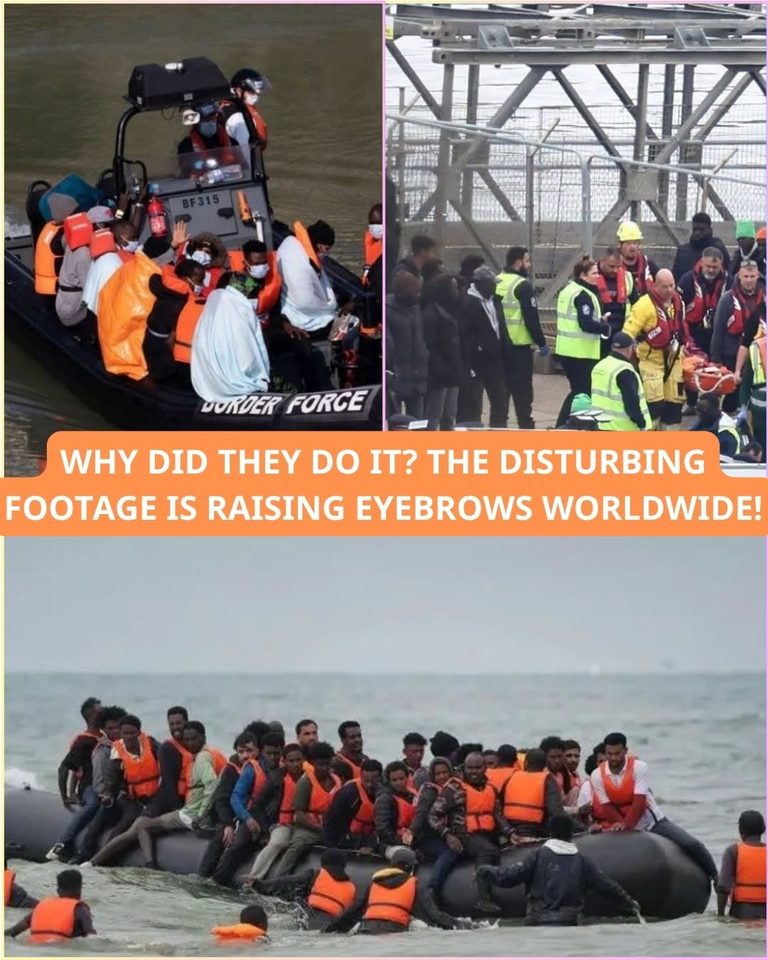
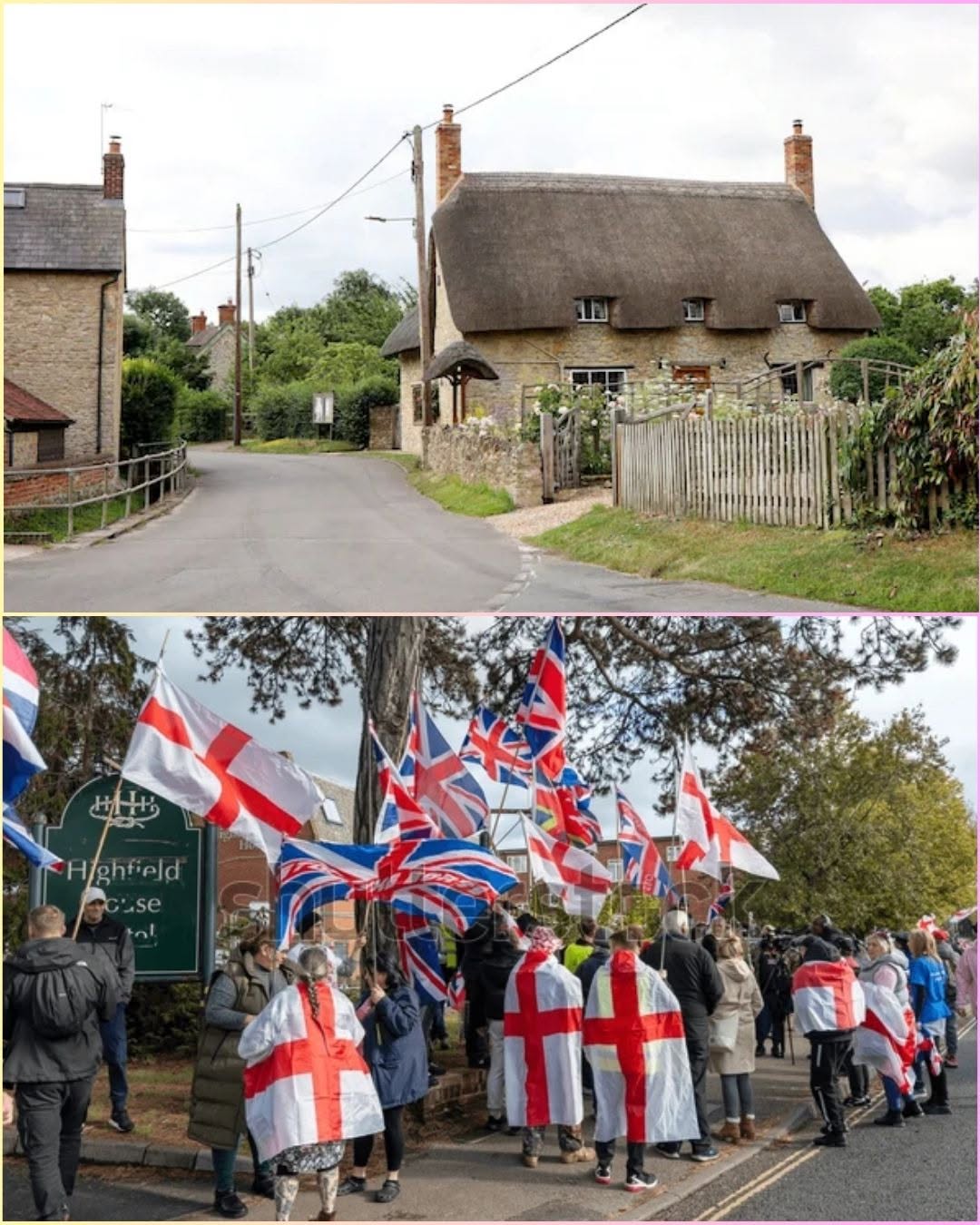
A Tiny English Village Just Voted to Leave the UK… And the Reason Will Shock You What would you do if your quiet village of only 180 adults suddenly had to welcome over 1,250 male asylum seekers next to a children’s playground — with zero warning?
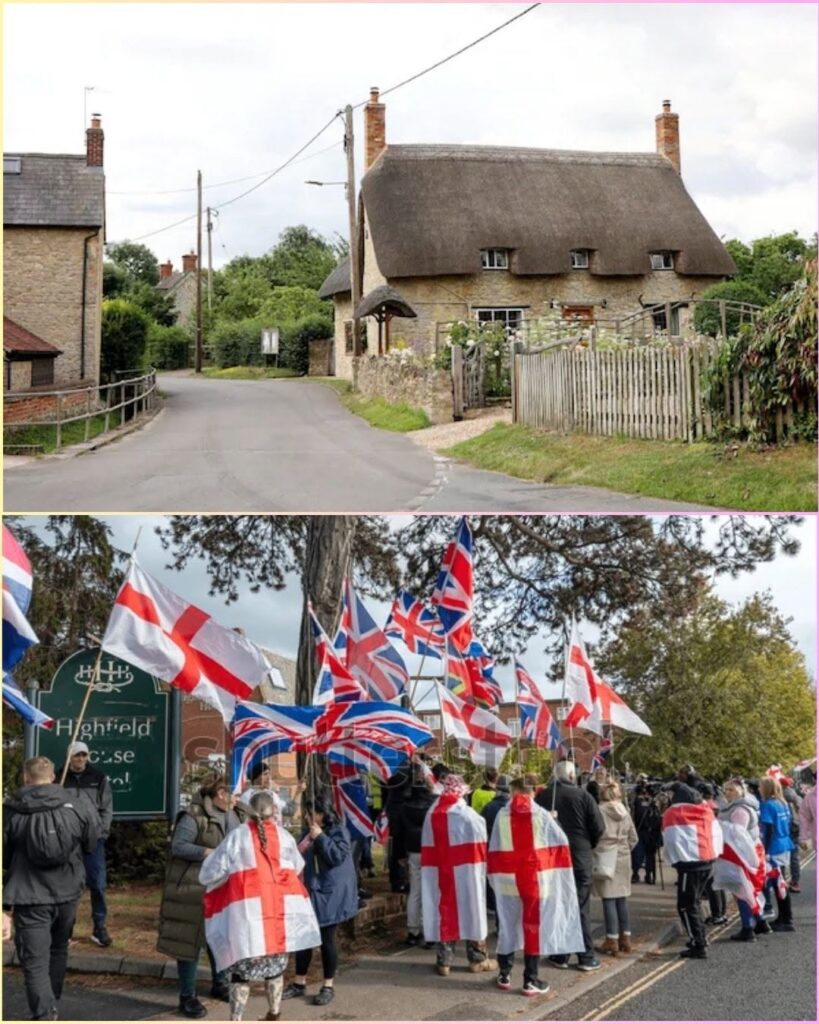
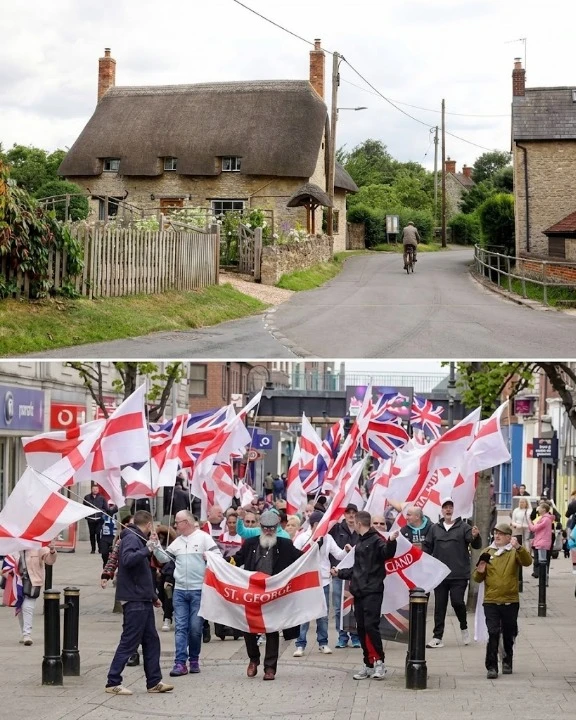
Tiny Oxfordshire Village’s “Independence” Protest Becomes a Symbol of Britain’s Asylum Housing Row
A tiny Oxfordshire village has become the unlikely centre of Britain’s asylum accommodation debate after residents staged a symbolic “independence” protest over plans to house up to 1,250 male asylum seekers at a nearby former Ministry of Defence site.
The village is Piddington, near Bicester — not “Pittington,” as some viral posts have described it. The claim that residents have legally voted to leave the United Kingdom is also not accurate. What happened was a symbolic protest vote: residents backed the idea of holding a local “independence referendum” to express anger at the asylum accommodation plan. There is no legal mechanism for a village to declare independence from the UK or join another country.
Still, the protest has cut through nationally because it captures a much wider public fear: that small communities are being asked to absorb major national decisions with little warning, limited consultation, and too few answers.
What Is Being Proposed
Reports say the Government has looked at using a former military site near Piddington to house up to 1,250 male asylum seekers. The village itself has only a few hundred residents, which is why the proposed scale has caused such alarm locally. LBC reported that residents were concerned about the plan and that 96% of those who voted supported calling a referendum on whether the village should seek independence from the UK.
The site has been described as part of a wider government attempt to reduce reliance on asylum hotels by moving people into larger, state-owned or former military accommodation. Supporters of that approach argue hotels are expensive, unpopular and unsustainable. Critics argue that moving large numbers of asylum seekers into small rural communities can create serious problems if planning, transport, policing, healthcare and local consultation are not handled properly.
That is the core of the Piddington dispute.
Why Residents Are Angry
Residents’ anger appears to centre on scale, consultation and local capacity.
A village of a few hundred people being placed next to a site potentially housing more than a thousand asylum seekers is not a minor local change. Even if the site is managed safely and lawfully, residents will ask obvious questions: who will be responsible for security, how will people travel, what health services will be used, what happens if there are incidents, how long will the arrangement last, and why were locals not consulted earlier?
The Sun reported that Piddington Parish Council’s chairman said the local authority had been given “no prior warning” of the plans. That sense of being blindsided is politically explosive. Communities may disagree about immigration, but almost everyone expects to be told before a major accommodation site is placed nearby.
The “Independence” Vote
The independence vote was theatrical, not constitutional. It was designed to send a message to Westminster: if the Government can impose decisions on a village without proper consent, residents will respond with their own dramatic gesture.
That is why the comparison with American independence spread online. CBS reported that residents were preparing a symbolic referendum calling for Piddington to declare independence from the UK and join the United States as a protest against the asylum housing plan.
No one should confuse this with a lawful secession process. Piddington cannot simply leave the United Kingdom. But politically, the stunt succeeded. It turned a local planning and asylum accommodation dispute into a national story.
Why This Story Has Gone Viral
The story has gone viral because it fits a larger pattern across Britain: communities saying they are being asked to carry the consequences of national immigration policy without meaningful control over it.
In many towns and villages, frustration over asylum accommodation is not only about the people being housed. It is also about secrecy, timing, pressure on services, and distrust of central government. Residents often feel ministers announce targets in Westminster while councils, police, doctors, schools and local people deal with the practical consequences.
That does not mean every fear is automatically justified. It does mean those fears cannot simply be dismissed as prejudice.
The Other Side of the Argument
There is another side. The Government has legal duties to provide basic accommodation for asylum seekers who would otherwise be destitute. Hotels have cost huge sums of public money and have themselves caused local tensions. Former military or government-owned sites may appear, from Whitehall’s point of view, to be cheaper and easier to manage than scattered hotel contracts.
There is also a humanitarian reality. Asylum seekers are not all criminals, and they are not a single threat category. Many are waiting for claims to be processed. Some will be refused. Some may be granted protection. They are human beings caught in a slow and controversial system.
A serious debate should not turn them into symbols of every national failure. The right target for public anger is poor policy, weak consultation, bad planning, and lack of transparency.
The Real Issue: Consent
The Piddington story is really about consent.
People may disagree over asylum policy, but local communities expect to have a voice when a major site is proposed nearby. If residents believe a decision has already been made before they are consulted, trust collapses. If ministers refuse to answer basic questions, rumours fill the gap. If viral posts exaggerate details, anger grows even faster.
The solution is not secrecy. It is openness.
Authorities should publish clear information about the site, numbers, security arrangements, healthcare planning, transport, costs, expected duration, and complaint procedures. If the plan is safe and workable, government should be able to explain why. If it is not, it should be changed.
Conclusion
Piddington has not legally voted to leave the UK. The “independence” campaign is symbolic.
But the anger behind it is real.
A small village has become a national symbol because many people believe immigration and asylum decisions are being made without proper local consent. The proposed scale — up to 1,250 male asylum seekers near a community of only a few hundred residents — has made that feeling especially intense.
The Government may argue that it must reduce hotel use and find cheaper accommodation. Residents may argue that their village is being asked to absorb a decision far beyond its capacity.
Both points deserve scrutiny.
What Piddington shows is that Britain’s asylum crisis is no longer only about borders. It is about trust, transparency, planning and whether ordinary communities believe Westminster is still listening.