
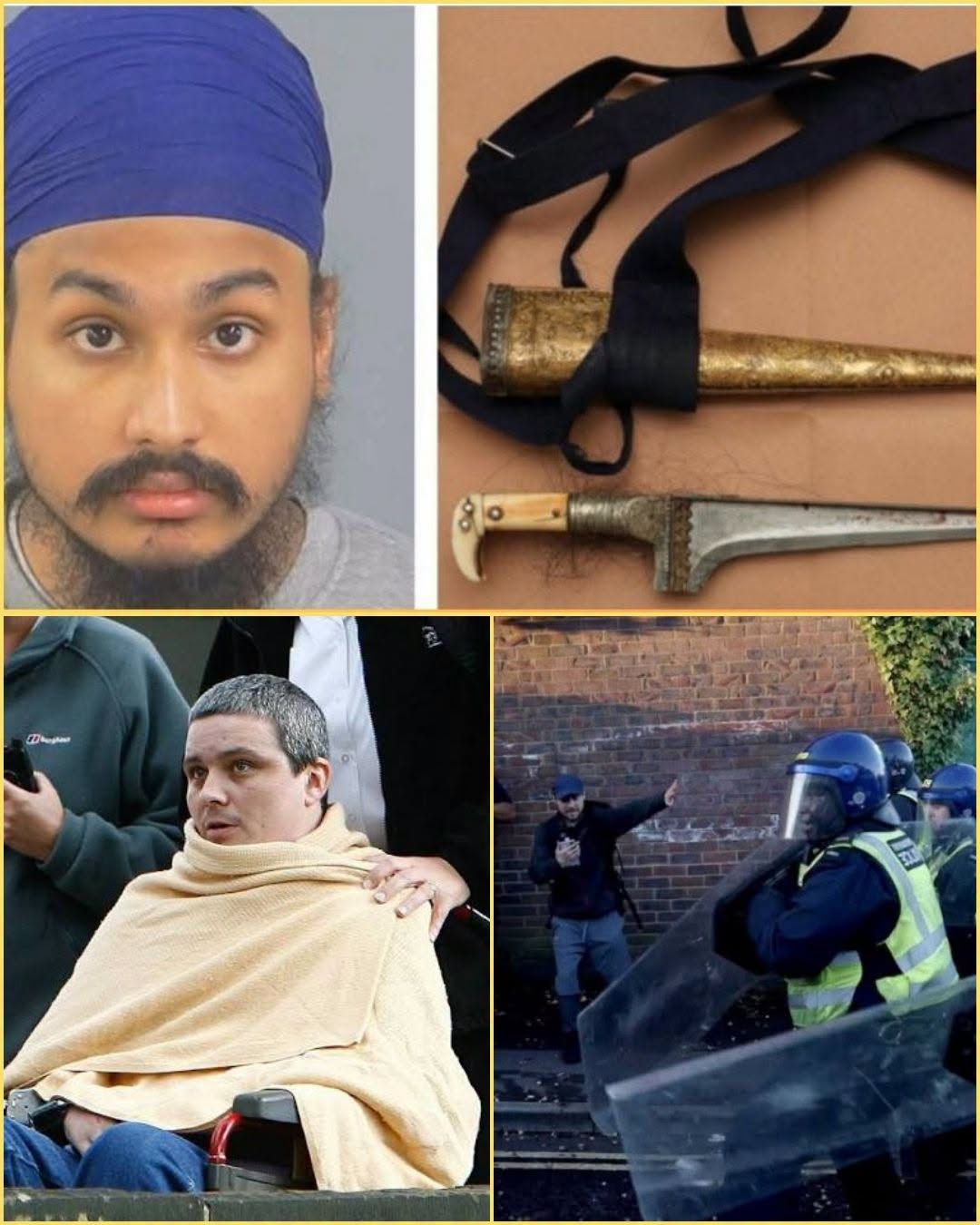
The British criminal underworld is shaken as the notorious Vickrum Digwa faces a terrifying nightmare behind prison bars. The truth within the strict confines of his cell is one of utter fear of the impending wave of punishment and revenge from other inmates. Details revealed about the brutal murder of schoolboy Henry Nowak and the fabricated blame game expose the killer’s ruthless nature.
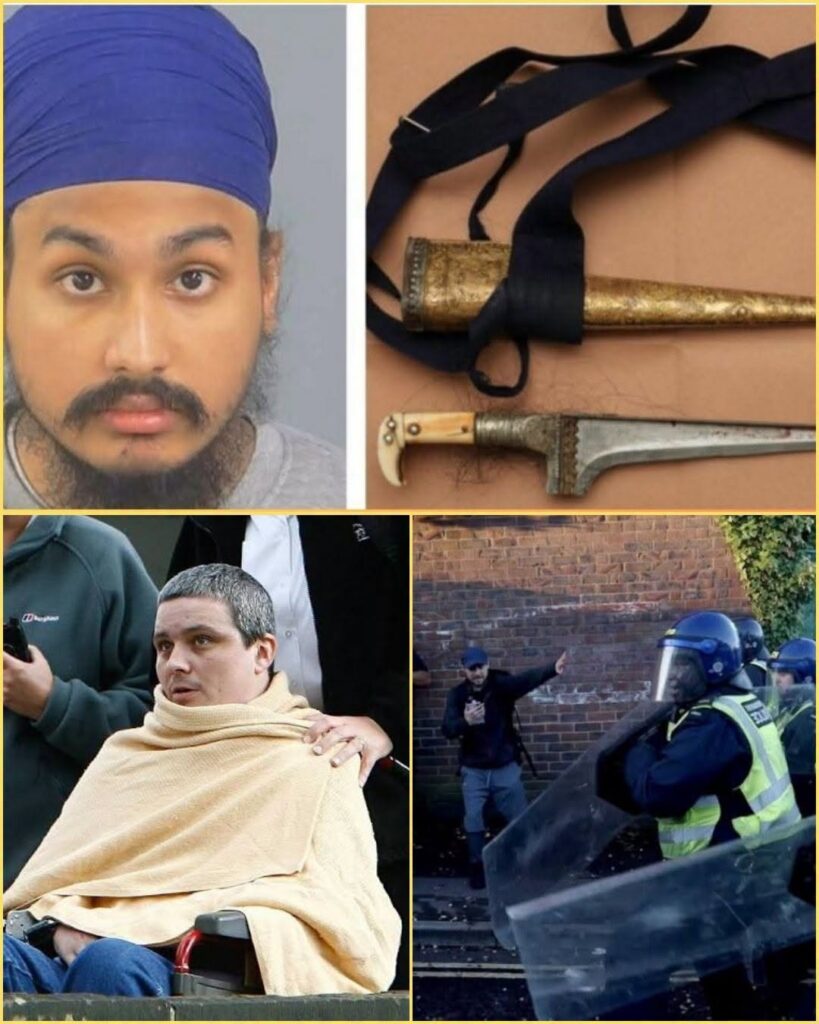
The case of Vickrum Digwas, currently incarcerated for the brutal кιℓℓing of Henry Nowak, has erupted into a harrowing narrative that feels more like a gritty crime thriller than reality. Reports detailing his life behind bars paint a picture of a man living on borrowed time, constantly targeted by other inmates and existing in a state of perpetual, high-stakes paranoia. This isn’t just a story about a convicted кιℓℓer; it’s a dark, claustrophobic look into the “justice” that often happens in the shadows of the prison system, far from the eyes of the courts.
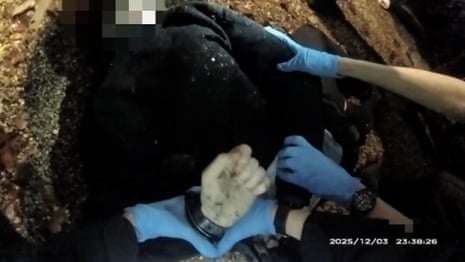
Digwas’s existence in jail has effectively become a nightly gamble. According to accounts from within, he has become a primary target for retribution—not necessarily by the state, but by the “inmate code” that governs the hierarchy of violence inside these walls. He’s reportedly living in constant fear, viewing every movement, every shadow, and every unexpected noise as a potential threat on his life. For someone who committed such a heinous act, the irony isn’t lost on the public; there is a grim, collective sense of “poetic justice” that the man who took a life is now forced to live in fear of losing his own.

But this situation goes deeper than just the personal fear of a criminal. It serves as a brutal indictment of the correctional facility’s ability to maintain safety—or their refusal to do so. When a high-profile prisoner is targeted to the point where every night is a survival mission, it suggests that the institution has lost control of its internal ecosystem. The violence is no longer just a threat; it is the currency of the environment. The fact that Digwas’s security is so fragile, and that the risk of a “hit” is considered an everyday reality, is a chilling reminder that in many prisons, the guards have ceded their authority to the inmates.
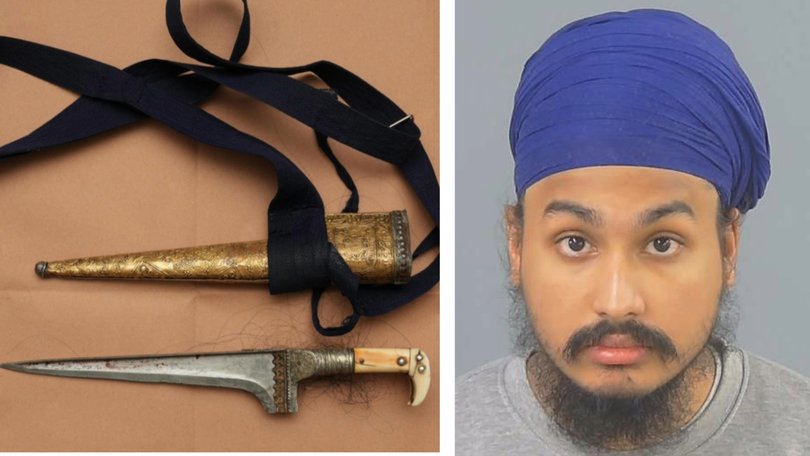
For the outside world, this brings up the uncomfortable question of what we actually want from our prison system. On one hand, there is a visceral, human urge to see those who commit atrocities face consequences that mirror their own crimes—an “eye for an eye” mentality that finds satisfaction in Digwas’s current living nightmare. On the other hand, the state is legally tasked with providing a safe, controlled environment, regardless of the prisoner’s history. When we allow or ignore a “prison nightmare” for one inmate, we are essentially green-lighting a culture of lawlessness that eventually impacts everyone behind those walls.
The situation also highlights the predatory nature of jailhouse politics. Digwas isn’t just a prisoner; he’s an “object” being hunted. The psychological toll of knowing that your fellow inmates are literally mapping out your demise creates a level of trauma that most of us can’t even fathom. It’s a descent into pure, primal survival where social contracts, human rights, and rehabilitation are non-existent, replaced by a constant, agonizing countdown to a potential violent encounter.
Ultimately, this is a story about the intersection of crime, punishment, and the brutal reality of the carceral state. Whether you believe Digwas deserves this hell or you believe that the state is failing in its duty to protect him, the takeaway remains the same: the prison system is a ticking time bomb. It’s a place where justice often gets swallowed up by revenge, and where the line between a “correctional facility” and a warzone is dangerously thin. As long as he remains in the crosshairs, his story will continue to serve as a morbid, cautionary tale about the high price of violence—not just for the victims, but for the perpetrators who never manage to escape the fallout of their choices.