DOUGLAS MURRAY RENEWS CALL FOR ACCOUNTABILITY AS UK GROOMING GANG DEBATE RETURNS TO THE SPOTLIGHT
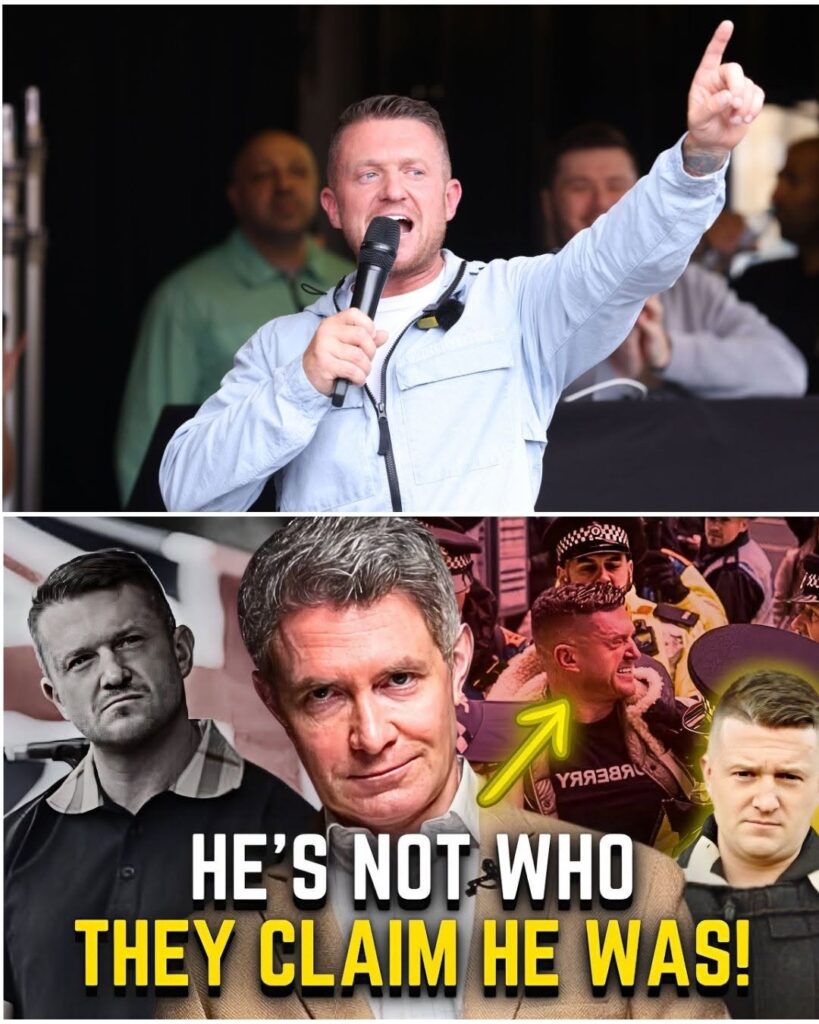

British author and commentator Douglas Murray has once again drawn attention to the long-running debate surrounding child sexual exploitation cases in several English towns, arguing that the issue continues to raise difficult questions about political accountability, policing, and freedom of public discussion.
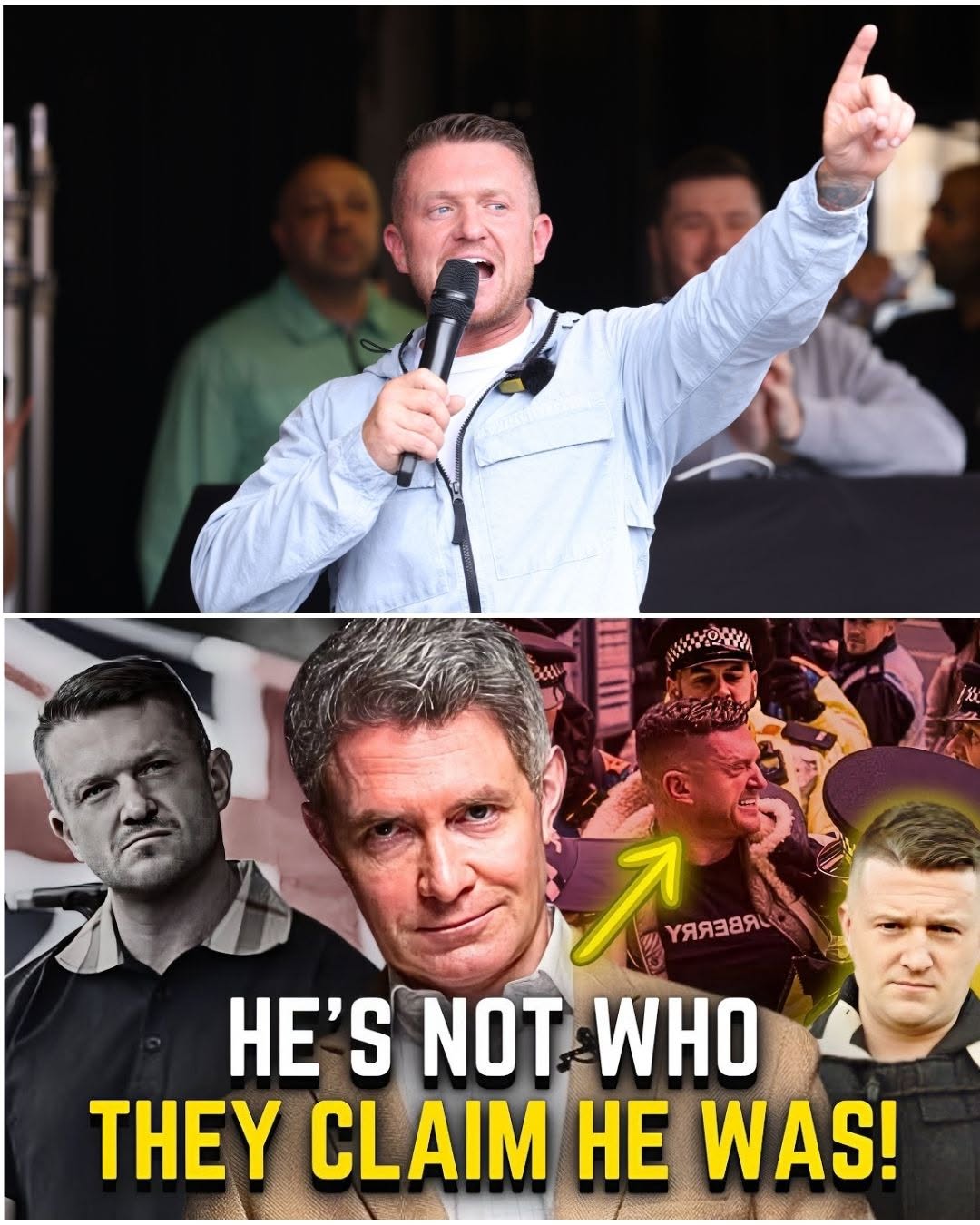
Speaking in a recent interview, Murray reflected on renewed public interest in the grooming gang scandal following online discussions involving activist Tommy Robinson and comments made by public figures, including Elon Musk. According to Murray, public attention has increasingly shifted toward those speaking about the issue rather than the institutional failures identified in previous investigations.
Murray said he had written about the controversy years earlier in his 2017 book The Strange Death of Europe, where he described the scandal as an example of broader challenges surrounding immigration, integration, and the reluctance of some institutions to confront sensitive issues. He pointed to former Labour MP Ann Cryer, who publicly raised concerns after constituents reported allegations involving young girls in her constituency. Murray noted that Cryer later faced accusations of racism and Islamophobia despite her long political career within the Labour Party.
During the interview, Murray argued that many working-class families believed their concerns were ignored when they sought assistance from local authorities. He claimed that some victims and their relatives felt unsupported by police, councils, and elected representatives while attempting to report abuse. According to Murray, this contributed to a growing sense of frustration among communities who believed their voices were not being heard.
Murray also discussed Tommy Robinson’s role in bringing attention to the issue. While acknowledging that Robinson remains a controversial public figure whose methods and rhetoric have been widely criticized, Murray argued that focusing primarily on Robinson risks diverting attention from the underlying questions surrounding institutional responses to child sexual exploitation.
The author maintained that several official inquiries have identified significant failures by police forces, local councils, and child protection agencies. However, he argued that many people remain dissatisfied with the level of accountability that followed those investigations. Murray suggested that although some perpetrators have been prosecuted, the number of convictions represents only a portion of the alleged offences described by victims over many years.
Official inquiries conducted over the past decade, including the Independent Inquiry into Child Sexual Abuse (IICSA), concluded that serious safeguarding failures occurred in multiple locations across England. The reports criticized shortcomings in how some agencies handled allegations and recommended reforms aimed at improving child protection and institutional accountability. At the same time, the inquiries did not conclude that every public official or institution acted with the same level of responsibility or intent.
Murray argued that British institutions have sometimes been reluctant to address politically sensitive subjects, particularly when discussions involved ethnicity or community relations. In his view, concerns about accusations of discrimination may have influenced the willingness of some officials to confront the issue directly. That interpretation remains disputed, with others arguing that the failures reflected a combination of poor safeguarding practices, institutional weaknesses, and inadequate coordination rather than a single political motivation.
The interview also turned to broader questions surrounding freedom of expression in Britain. Murray suggested that people without prominent public platforms often struggle to raise concerns about controversial issues, particularly if they believe authorities have failed to respond adequately. He contrasted his own position as a writer and columnist with that of ordinary families seeking answers after reporting abuse.
As an example, Murray recalled one of the historical Oxfordshire cases, describing evidence presented during criminal proceedings involving a vulnerable teenager. He argued that failures by local care services illustrated deeper institutional problems and criticized what he viewed as inadequate responses from some public officials after the cases became public.
He further claimed that accountability had often stopped short of senior decision-makers, arguing that relatively few officials faced significant professional consequences following the publication of official reports. According to Murray, this has contributed to continued public mistrust and demands for additional investigations.
The discussion concluded with wider criticism of Britain’s political leadership. The interviewer argued that many members of the public continue to seek greater transparency regarding historical grooming gang cases and suggested that confidence in public institutions will remain fragile unless outstanding questions are addressed.
Supporters of further inquiries argue that additional investigations are necessary to establish whether all institutional failures have been fully examined. Others maintain that multiple independent investigations have already documented the principal failures and that current efforts should focus on implementing reforms rather than reopening previous cases.
The renewed debate highlights how the grooming gang scandal remains one of the most politically sensitive issues in contemporary British public life. While there is broad agreement that serious failures occurred in protecting vulnerable children, significant disagreement continues over how those failures should be interpreted, whether existing inquiries have gone far enough, and what additional accountability, if any, remains necessary.