BREAKING NEWS: Major Ann Widdecombe Funeral Updateas Family Statement Released
The death of former British politician and broadcaster Ann Widdecombe has prompted an outpouring of public tributes, renewed discussion about her political legacy, and widespread speculation online regarding the arrangements for her funeral. In recent days, social media posts claiming to reveal “major funeral updates have circulated widely, leading many supporters to seek reliable information about official plans. While public interest remains high, much of the information shared online has not been independently verified, making it important to distinguish confirmed announcements from speculation.
Following news of Widdecombe’s passing, representatives close to her family released a brief statement thanking members of the public for the many messages of sympathy, prayers, and tributes received from across the United Kingdom and abroad. The statement expressed appreciation for the kindness shown during what it described as a deeply difficult period and asked that the family’s privacy continue to be respected while arrangements are made. At the time of the statement, only limited details regarding the funeral had been officially confirmed, with organizers indicating that additional information would be released when appropriate.
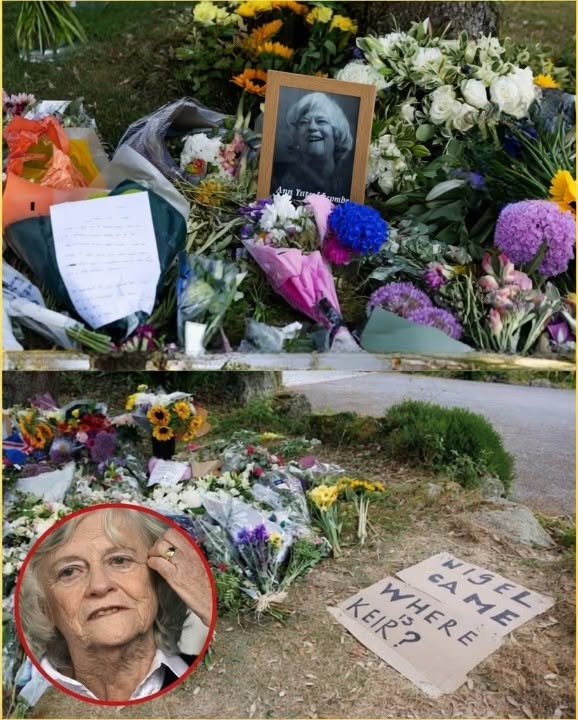
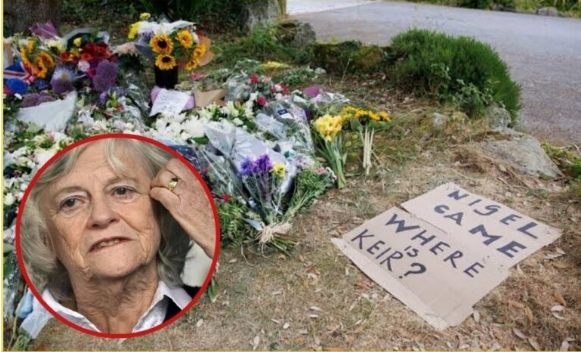
Images shared widely online show flowers, handwritten messages, candles, and photographs placed at memorial sites honoring Widdecombe’s life and public service. Supporters have gathered in several locations to leave tributes, reflecting the impact she had during decades in British politics and public life. Some of the memorial displays include messages thanking her for speaking out on issues she believed were important, while others simply express condolences to her family and friends. Such spontaneous memorials have become a familiar way for communities to honor prominent public figures following their deaths.
Ann Widdecombe served for many years as a Member of Parliament, first representing Maidstone and later Maidstone and The Weald. During her parliamentary career, she became known for her outspoken style, willingness to challenge both political opponents and colleagues, and strong views on issues including criminal justice, constitutional reform, immigration, and social policy. Although she remained a controversial figure throughout much of her career, even political opponents often acknowledged her determination, independence, and commitment to expressing her convictions openly.
After leaving Parliament, Widdecombe remained highly visible in British public life through television appearances, newspaper columns, public speaking engagements, and political commentary. She became familiar to audiences beyond politics through documentaries, entertainment programs, and interviews in which she discussed both current affairs and her personal beliefs. This continued public presence introduced her to new generations who may not have followed her parliamentary career but came to know her through broadcasting and media appearances.
The announcement of her death prompted tributes from politicians representing a broad range of political viewpoints. Former colleagues praised her intelligence, debating ability, and dedication to public service, even when they disagreed strongly with her positions. Several noted that she never avoided difficult conversations and consistently defended the principles she believed were important. Others emphasized her distinctive personality and the significant role she played in shaping political debates during a period of major change in British politics.
As often happens following the death of a well-known public figure, numerous unverified claims quickly appeared online concerning funeral arrangements, attendance, and possible ceremonial honors. Some posts suggested specific dates or locations, while others claimed to have insider information regarding the service. However, without confirmation from the family or official representatives, such reports should be treated with caution. Funeral arrangements frequently evolve as families consider personal wishes, logistical requirements, and security considerations.
Public interest has also focused on whether the funeral will include a significant public element or remain primarily a private family service. In Britain, the format of funerals for prominent political figures varies considerably depending on family preferences, the wishes of the deceased, and practical circumstances. Some families choose entirely private ceremonies followed by later public memorial events, while others organize services that include invited political leaders, former colleagues, and representatives from public institutions. At the time of the latest official statement, no comprehensive details had been announced regarding attendance arrangements.
The widespread attention surrounding Widdecombe’s funeral reflects not only her political career but also the broader role she played in British public discourse. Throughout her decades in public life, she rarely hesitated to express opinions that challenged prevailing political consensus. Supporters admired what they viewed as her courage to defend unpopular positions when she believed they were justified. Critics often disagreed strongly with her arguments but nevertheless recognized her as one of Britain’s most recognizable and influential political personalities.
Many of the online discussions following her death have revisited some of the major issues that defined her career. Immigration, law and order, constitutional reform, religious belief, and questions of national identity frequently appeared in debates during her years in Parliament and afterward. As people reflect on her legacy, supporters emphasize her consistency and willingness to defend long-held convictions, while critics point to policy disagreements that remained controversial throughout her public life. Such differing assessments are common when evaluating influential political figures.
The memorials visible in photographs circulating online illustrate the emotional response among many of her supporters. Bouquets of flowers, handwritten letters, framed photographs, and messages expressing gratitude have been left at tribute sites, creating spaces where members of the public can pay their respects. Similar displays have accompanied the deaths of other prominent British politicians and public figures, offering citizens an opportunity to express condolences collectively even if they never met the individual personally.
Observers have also noted how rapidly social media has shaped public awareness of developments related to the funeral. News, photographs, personal memories, and opinions have spread across multiple platforms within hours of each reported update. While this allows supporters to share tributes quickly, it also increases the likelihood that inaccurate or incomplete information will circulate before official confirmation is available. Media organizations have therefore encouraged readers to rely primarily on verified statements from the family or authorized representatives.
Beyond immediate funeral arrangements, Widdecombe’s passing has prompted renewed discussion of her broader contribution to British political history. During her parliamentary career, she held several prominent frontbench positions and became known as one of the Conservative Party’s most recognizable voices. Even after leaving Parliament, she continued participating actively in national debates through writing, interviews, and public appearances. Her influence therefore extended well beyond her years as an elected representative.
Political historians often describe Widdecombe as part of a generation of parliamentarians known for robust debate and highly individual political identities. Rather than relying heavily on carefully managed public messaging, she frequently spoke in a direct and personal style that attracted both praise and criticism. This approach helped establish her reputation as one of Westminster’s most distinctive personalities, contributing to the lasting public recognition reflected in today’s tributes.
As preparations continue, practical considerations remain important for organizers. Large numbers of moumers may wish to attend any public events associated with the funeral, requiring careful planning regarding security, transportation, and crowd management. Authorities routinely work alongside families when prominent public figures are involved to ensure that memorial events proceed respectfully while minimizing disruption to surrounding communities. Any official announcements regarding attendance procedures are expected to provide guidance well in advance of the service.
Religious aspects of the funeral have also attracted attention because Widdecombe spoke openly throughout her life about the importance of her Christian faith. Her beliefs influenced many of her political positions and formed a consistent part of her public identity. While the specific details of the funeral liturgy have not been publicly confirmed, observers expect any service to reflect the religious convictions she expressed throughout her life.
For many members of the public, the funeral represents an opportunity not only to remember an individual but also to reflect on an era of British politics characterized by strong personalities and vigorous parliamentary debate. Whether people admired or opposed her views, few would dispute that Widdecombe left a lasting mark on national political discussion. Her career spanned periods of significant constitutional, social, and political change, during which she remained an active participant in public life.
The official family statement has therefore served an important purpose by encouraging patience while arrangements are finalized. Families of prominent public figures often face intense public attention during periods of mourning, making clear communication especially valuable. By thanking supporters for their condolences while requesting privacy, the statement seeks to balance widespread public interest with the family’s understandable need for time and space.
In the coming days, additional verified information regarding the funeral is expected to be released through official channels. Until then, readers are encouraged to treat unconfirmed social media claims with caution and rely on announcements issued by the family or authorized representatives. As Britain continues to reflect on Ann Widdecombe’s life and legacy, the focus remains on honoring a public figure whose decades of political service, broadcasting career, and outspoken contributions to national debate ensured that she would remain one of the country’s most recognizable and widely discussed personalities.