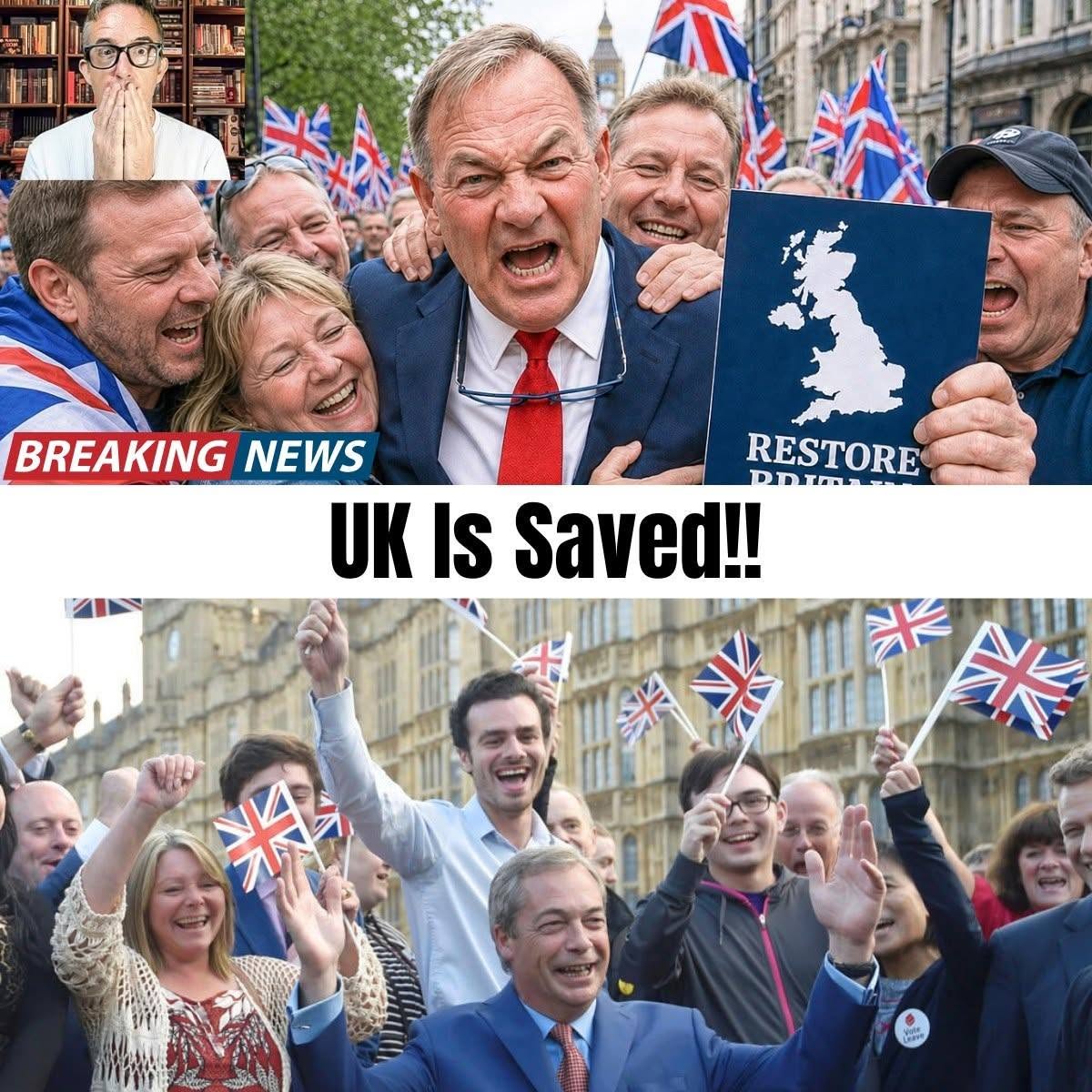
Immigration and National Identity Debate Intensifies Following Rupert Lowe’s Policy Proposals –
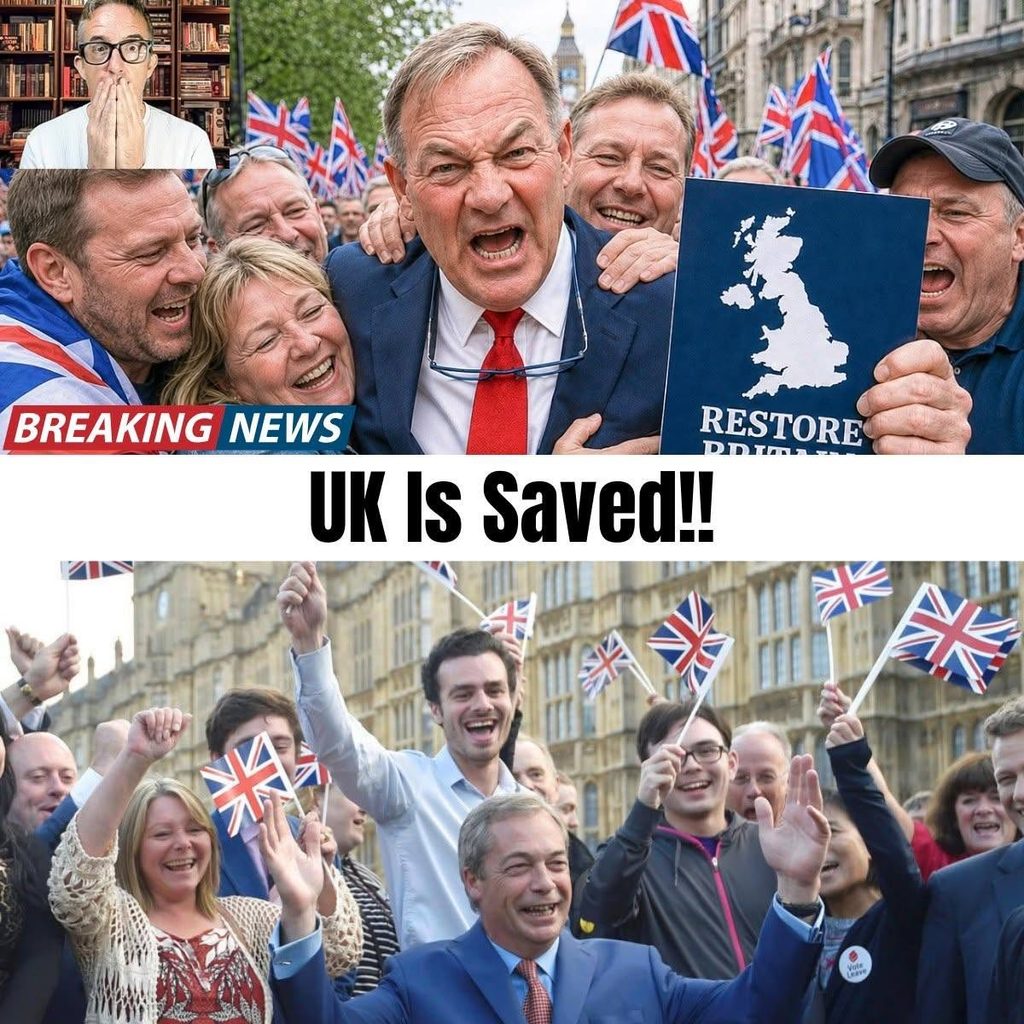
Immigration and National Identity Debate Intensifies Following Rupert Lowe’s Policy Proposals
Immigration, national identity and constitutional reform have once again become central issues in British political debate following recent comments by Reform UK politician Rupert Lowe.
Lowe’s remarks were made during a discussion about a report examining immigration, multiculturalism and social cohesion in Britain.
The interview focused on his assessment of the causes of long-term social challenges and his proposals for immigration reform.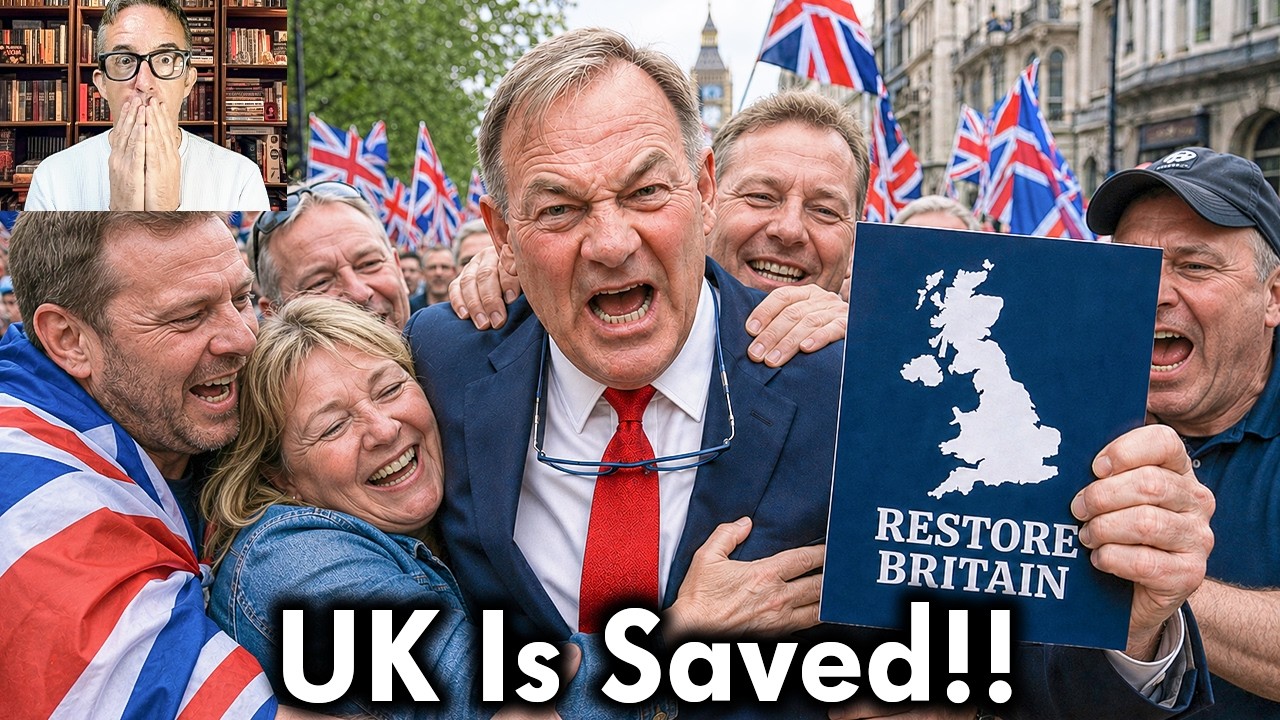
According to Lowe, immigration has played a significant role in shaping many of the issues facing Britain today.
He argued that rapid population growth, combined with long-term immigration policies, has placed increasing pressure on housing, public services and community cohesion.
Lowe also criticized multiculturalism, claiming that it has weakened national identity and social trust.
These views have generated significant discussion among supporters and critics alike.
Supporters argue that immigration policy should be examined alongside broader issues such as housing shortages, wage pressures and public infrastructure.
Critics, however, contend that many of these challenges have multiple economic and political causes that extend beyond immigration alone.
During the interview, Lowe referred to historical immigration policy, including the British Nationality Act 1948 and changes introduced under former Prime Minister Tony Blair.
He argued that post-war governments embraced multiculturalism as a long-term political strategy.
Those claims reflect Lowe’s political interpretation and remain the subject of considerable debate among historians, policymakers and academics.
The discussion also addressed proposals for immigration enforcement.
Lowe outlined a series of measures that he said would prioritize removing individuals who entered Britain illegally.
He also advocated deporting foreign nationals convicted of serious crimes after completion of their sentences.
In addition, he proposed reviewing welfare policies affecting some non-citizens and encouraging voluntary departures through changes to benefit eligibility.
At the same time, Lowe distinguished between illegal migration and migrants who have established lawful lives in Britain.
He said that individuals who entered legally, contribute to the economy, obey British laws and have integrated into society should be treated fairly and in accordance with existing legal protections.
Observers noted that this distinction formed an important part of his overall policy position.
Beyond immigration, Lowe criticized several aspects of Britain’s political system.
He argued that constitutional reforms introduced over recent decades had reduced government accountability and weakened democratic institutions.
Among his concerns were the roles of the civil service, the judiciary and Parliament.
He called for reforms intended to restore what he described as greater constitutional accountability.
Political analysts note that constitutional reform has become an increasingly prominent topic within several parties advocating significant changes to Britain’s governance.
The interview also focused on the city of Manchester.
Lowe and the interviewer described Manchester as an example of wider national debates surrounding immigration, public services and urban development.
They argued that many residents are concerned about housing affordability, pressure on infrastructure and changing community demographics.
Supporters of Lowe’s views believe these concerns have not received sufficient attention from mainstream political parties.
Others argue that cities such as Manchester have benefited economically and culturally from immigration while also facing broader challenges linked to population growth, economic inequality and public investment.
The interview included criticism of several major political parties.
Lowe argued that successive governments have failed to implement effective immigration policies despite repeated public concern.
He also suggested that existing political approaches have not adequately addressed issues surrounding border security and integration.
Observers note that immigration remains one of the most politically divisive issues in Britain.
Opinion polls have consistently shown strong public interest in border control alongside concerns about economic growth, labor shortages and humanitarian responsibilities.
Different political parties continue to propose varying approaches to balancing these competing priorities.
Supporters of stricter immigration policies argue that stronger border enforcement and more selective migration systems are necessary to maintain public confidence.
Others emphasize the economic contributions made by millions of migrants who live and work legally in Britain.
Business groups have also highlighted the importance of immigration in addressing workforce shortages across sectors including health care, construction and technology.
The broader debate reflects wider questions about national identity, integration and the future direction of British society.
Analysts note that these issues have become increasingly significant in public discourse following years of political polarization and economic uncertainty.
As Britain continues debating immigration policy and constitutional reform, proposals such as those outlined by Lowe are likely to remain part of the national conversation.
Whether these ideas gain broader political support will depend on future public opinion, electoral outcomes and the ability of competing parties to address voters’ concerns.
The discussion illustrates how immigration continues to influence debates extending far beyond border policy, including questions of governance, public services, economic planning and the long-term identity of the United Kingdom.