MASSIVE LABOUR BACKLASH! Angela Rayner just made a HUGE claim about your jobs, but critics immediately exposed a terrifying economic secret! While she promises new “worker protections,” official watchdogs reveal a shocking tax trap that is silently destroying businesses and slashing wages! They just uncovered a 100-year historical trend, and the final warning for British workers is absolutely chilling…
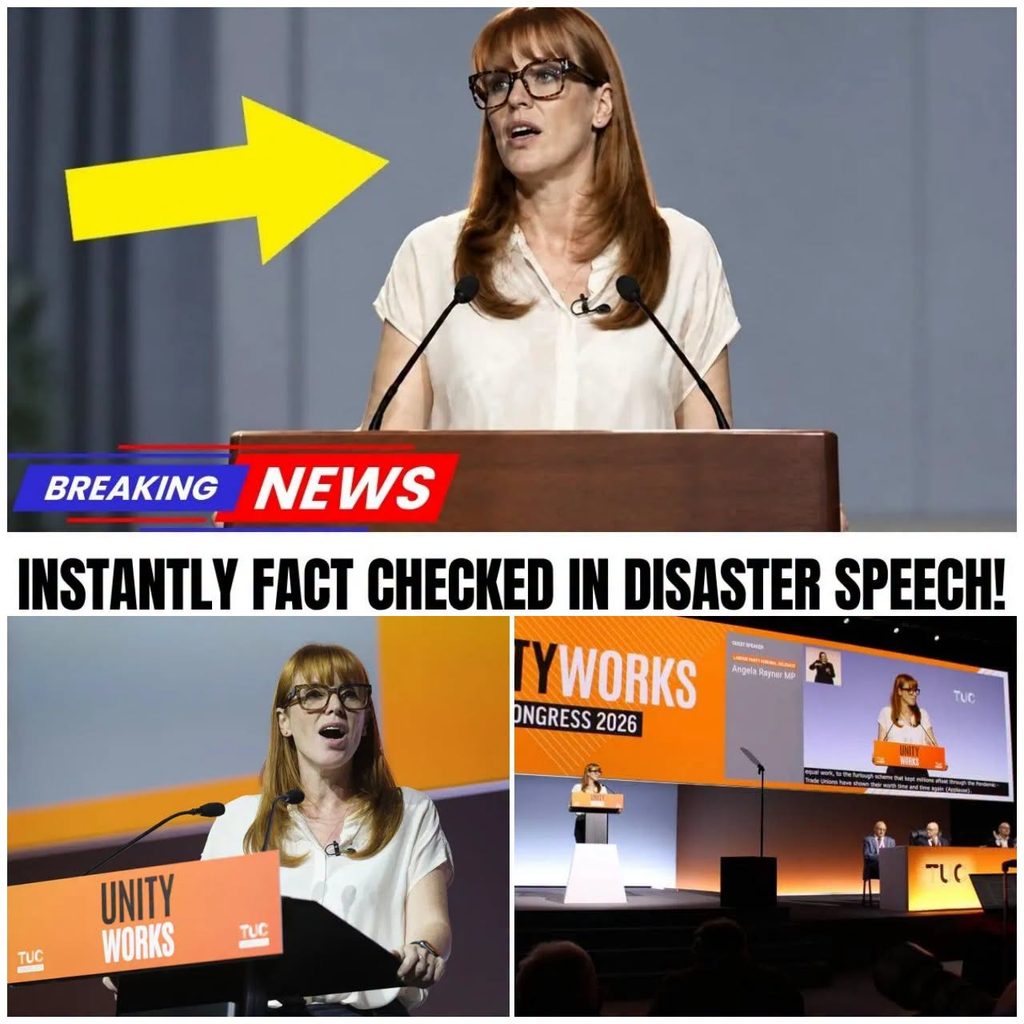
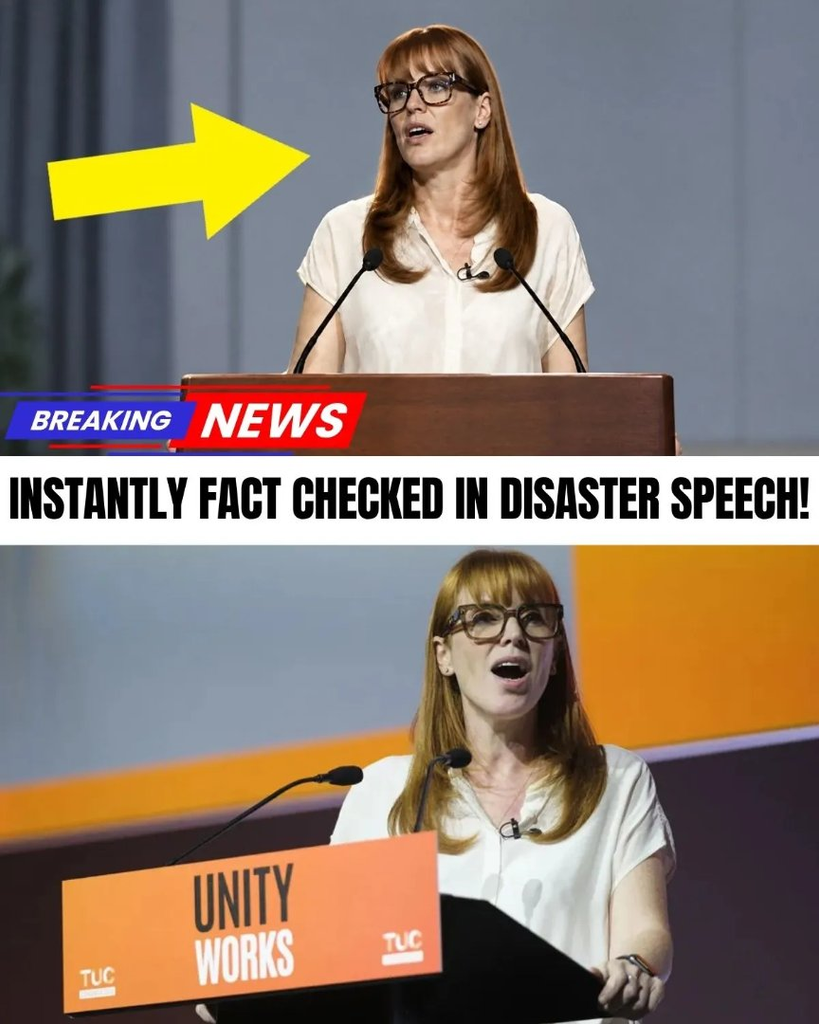
The speech, delivered before an audience of trade union representatives, has sparked fierce debate over the actual economic impact of Labour’s policies on job creation, business growth, and overall employment figures.
During her address, Rayner aggressively defended Labour’s legislative actions, citing the implementation of statutory sick pay from day one, enhanced rights to paternity and parental leave, and strengthened safeguards against sexual harassment and unfair dismissal.
She also highlighted the creation of a “Fair Work Agency” aimed at tackling bad workplace practices .
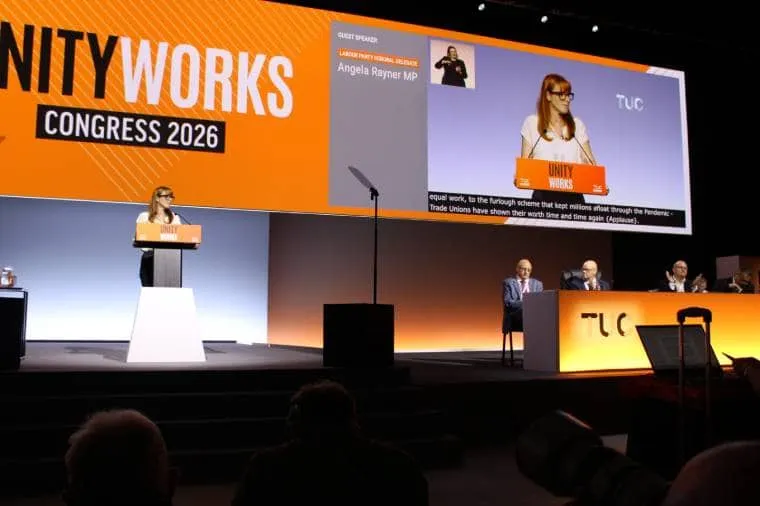
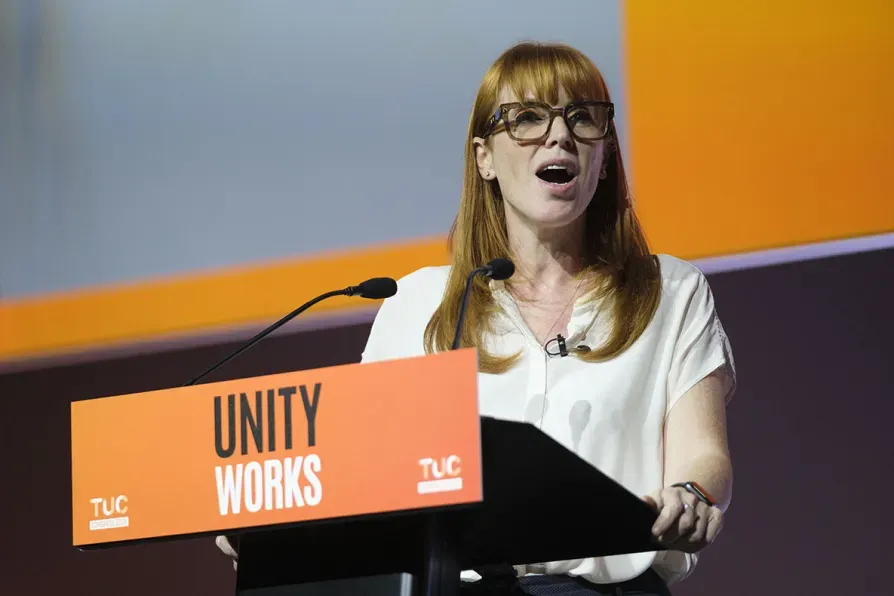
“Make no mistake, only Labour is the party of work; the clue is in the name,” Rayner declared, framing the current government as the ultimate defender of working families .
However, her pronouncements immediately drew intense scrutiny from economic critics and conservative commentators who argue that Labour’s historical track record and current fiscal policies directly contradict her claims.
Critics quickly pointed to historical employment data, noting that—with the exception of Ramsay MacDonald’s brief 1924 government—unemployment has consistently risen over the course of every Labour administration since 1929 .
This historical trend was weaponized to dispute Rayner’s assertion that Labour inherently fosters a healthy job market.
The pushback is heavily grounded in real-time economic indicators and recent forecasts from the Office for Budget Responsibility (OBR).
A primary point of contention is the government’s decision to increase Employer National Insurance contributions .
While officially levied on businesses, economic watchdogs warn that these costs are ultimately absorbed by workers.
The OBR has explicitly stated that the increased tax burden is trickling down to employees through restrained salary increases, reduced hiring, and stagnant wage growth .
Furthermore, data from the OBR’s March 2026 forecast indicates a loosening labor market with subdued hiring demand, making it increasingly difficult for individuals entering the workforce to secure employment .
Critics argue that by raising the cost of employing people, the government is actively discouraging business investment and stifling job creation.
This has been compounded by sluggish macroeconomic projections, with the OBR forecasting real GDP growth to slow from 1.4% in 2025 to just 1.1% in 2026 .
Opponents of the government argue that despite Rayner’s rhetoric regarding workers’ rights, the practical outcome of making employment more expensive is a reduction in available opportunities.
Some conservative critics have gone so far as to rebrand Labour as the “welfare party,” arguing that heavy business taxation inevitably leads to a stagnant economy heavily reliant on the state, rather than a thriving market of entrepreneurs and workers .
As the debate continues, the government faces mounting pressure to demonstrate how its workers’ rights agenda can coexist with the economic growth and job creation necessary to sustain the British workforce.