Shabana Mahmood Faces Growing Pressure as Small-Boat Crossings Fuel Immigration Row
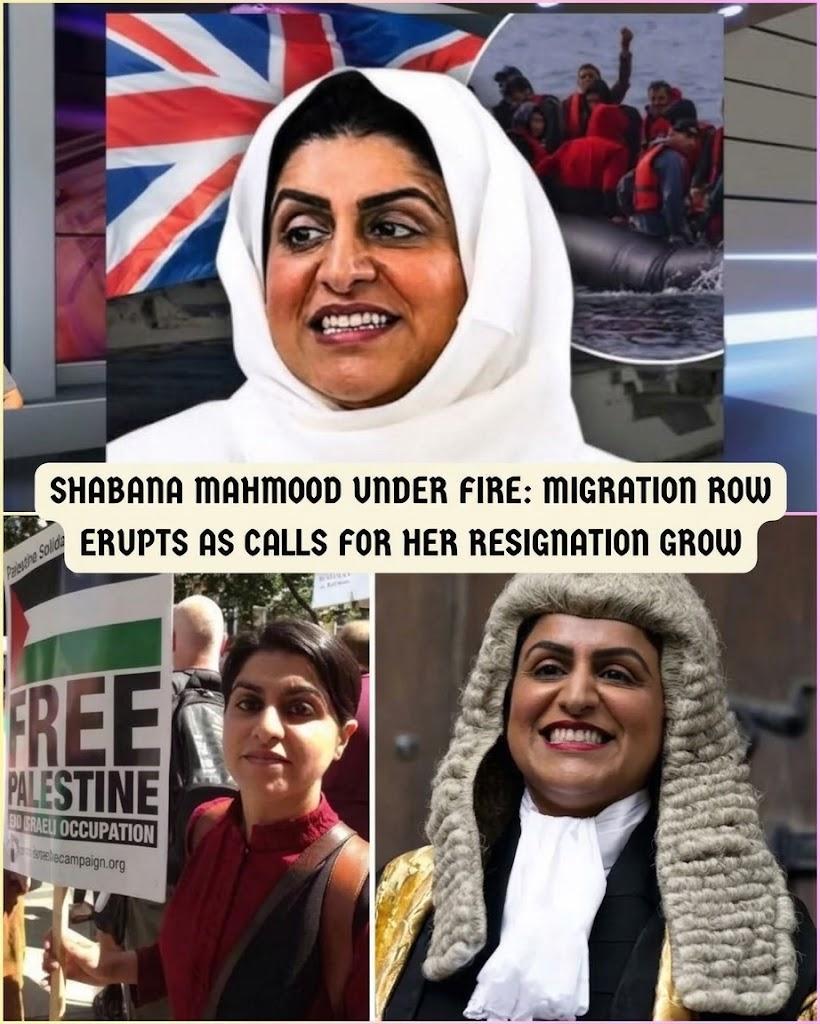
Home Secretary Shabana Mahmood is facing renewed political pressure over the Government’s handling of small-boat crossings, with critics arguing that ministers should concentrate on stopping dangerous Channel journeys rather than responding primarily to protests over immigration.
The debate has become increasingly heated as the number of people arriving in Britain by small boat continues to dominate political discussion. Critics cited in the debate put the total at nearly 77,000 arrivals since Labour came to power, arguing that the continued crossings demonstrate the scale of the challenge facing the Home Office.
Mahmood, who previously served as Justice Secretary before taking responsibility for the Home Office, is now at the centre of one of the most politically sensitive areas of Government policy.
Her responsibilities include immigration enforcement, border security and the wider asylum system. That has placed her under growing scrutiny from opposition politicians and campaigners who want to see a significant reduction in Channel crossings.
A political battle over the boats
Small-boat crossings have been one of the defining immigration issues in British politics in recent years.
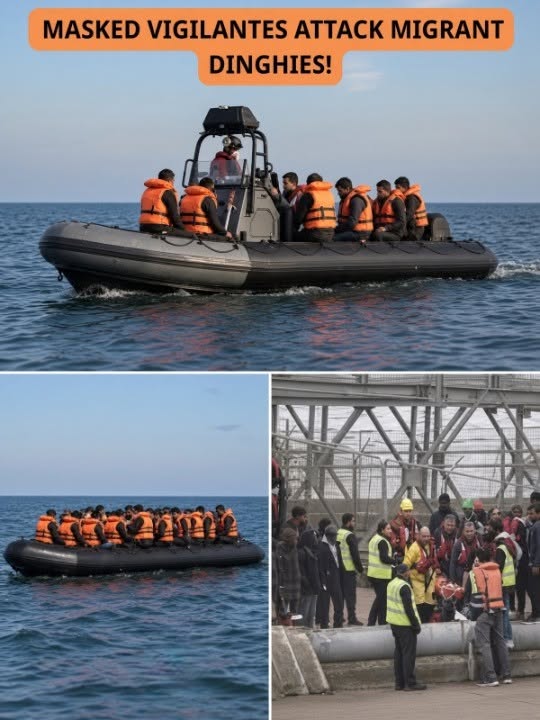
Thousands of people have made the dangerous journey across the English Channel in small inflatable vessels, creating pressure on successive governments to find ways of preventing departures, disrupting people-smuggling networks and processing asylum claims more efficiently.
The Government has pursued several approaches, including cooperation with France and efforts to increase enforcement against criminal gangs involved in organising crossings.
However, critics argue that the continued arrival of boats demonstrates that existing measures have not solved the problem.
The figure of almost 77,000 arrivals cited in the current political debate has therefore become a powerful symbol for those demanding tougher action. The precise total and period covered should be checked against the latest official Home Office statistics before being presented as a definitive current figure.
Mahmood becomes the focus
As Home Secretary, Mahmood has inherited a complicated system involving border enforcement, asylum applications, accommodation, deportations and international cooperation.
That means responsibility for the situation cannot be reduced to one individual decision. The Home Office works alongside other departments, law-enforcement agencies, local authorities and foreign governments.
Nevertheless, the Home Secretary is ultimately one of the most visible political figures responsible for immigration policy.
That has made Mahmood a natural target for criticism from opponents who believe the Government should take more aggressive action.
Some Conservative and Reform UK politicians have argued that the Government needs to go further to deter crossings and increase removals of people who have no legal right to remain in Britain.
The Government, meanwhile, has argued that tackling the problem requires action against organised criminal networks as well as international cooperation.
The protest controversy
The immigration debate has also increasingly become connected with demonstrations outside locations used to accommodate asylum seekers.
Protests have taken place in communities where hotels or other facilities have been used for asylum accommodation. Supporters of such demonstrations say residents have a right to raise concerns about local services, housing and public safety.
Others argue that some protests have become confrontational and risk intimidating residents or people seeking asylum.
This has created a difficult policing question.
Police forces must balance the right to peaceful protest with responsibilities for public order and safety. Government ministers have faced criticism from different sides over how demonstrations should be handled.
Critics of Mahmood argue that government attention should be focused on preventing illegal Channel crossings rather than what they describe as excessive attention on people protesting against immigration.
Supporters of stronger policing, however, point out that maintaining public order is separate from deciding national immigration policy.
The resignation demand
Against this background, calls for Mahmood to resign have begun to feature more prominently in political commentary.
The argument is straightforward: if the Home Secretary is responsible for immigration and the boats continue to arrive, critics say she should accept political responsibility.
One version of that argument can be summed up as: “Stop the boats, do your job, or resign.”
But whether a Home Secretary should resign is ultimately a political judgment rather than a simple measure of the number of arrivals.
The Government can point to enforcement operations, international agreements, arrests of suspected people smugglers and efforts to increase returns. Critics can respond that none of those measures has yet eliminated Channel crossings.
The disagreement therefore centres on what should count as meaningful progress.
The French connection
France remains a crucial part of the equation.
Most small boats travelling towards Britain depart from the French coastline, meaning British authorities cannot tackle the phenomenon entirely on their own.
Cooperation between Britain and France has consequently become a central part of successive governments’ strategies.
British officials have sought greater French enforcement against people-smuggling operations, while France has faced its own challenges in dealing with migrants gathering along the northern coast.
Any long-term reduction in crossings is therefore likely to depend partly on cooperation between the two countries.
At the same time, the UK Government faces pressure to demonstrate that agreements with France are producing measurable results.
A complicated asylum system
The debate is not only about the boats themselves.
Every arrival creates a chain of administrative decisions. People intercepted or rescued in the Channel may enter the asylum system, where their claims must be assessed.
Those whose claims are accepted can receive protection, while people whose claims are rejected may become subject to removal.
The Government has also faced pressure over the cost of asylum accommodation, particularly the use of hotels and other temporary facilities.
Critics argue that the system has become too expensive and slow. Ministers have responded that reducing the backlog and increasing returns are major priorities.
These competing arguments ensure that immigration is likely to remain a significant political issue.
What happens next?
For Mahmood, the coming months could bring further pressure as the Government attempts to demonstrate progress.
The central questions are practical ones.
Can the Government reduce the number of small boats crossing the Channel? Can it disrupt the criminal networks organising the journeys? Can asylum claims be processed more quickly? Can people with no legal right to remain be returned? And can Britain reach effective agreements with France and other European partners?
There is also a broader question about public confidence.
For many voters, the issue is not simply the number of people arriving but whether they believe the Government has control over the country’s borders and an asylum system capable of dealing with arrivals efficiently.
For the Government, demonstrating progress on those questions will be important.
For its opponents, continued crossings provide an opportunity to argue that existing policies are failing.
A debate far from over
The pressure on Shabana Mahmood reflects a much wider argument about Britain’s immigration system.
Those calling for her resignation see the continuing small-boat arrivals as evidence that stronger action is needed. The Government maintains that the challenge requires a combination of enforcement, international cooperation, action against smuggling gangs and reform of the asylum system.
Meanwhile, the controversy surrounding immigration protests has added another layer to an already highly charged debate.
The facts surrounding individual incidents, arrest figures and small-boat arrivals need to be assessed against official data and the specific time periods involved.
What is clear is that small-boat crossings remain one of the most politically contentious issues facing the Home Office, and Mahmood’s performance as Home Secretary will continue to receive close scrutiny.
The next stage of the debate will therefore be less about slogans and more about measurable results: fewer crossings, faster decisions, effective enforcement and a clearer explanation of how the Government intends to regain public confidence in the UK’s border and asylum system.
Note: I could not access live web search in this response, so current figures and specific recent incidents have not been independently verified. The “nearly 77,000” figure is treated here as the figure cited in the material provided for this article, rather than as independently verified current data.
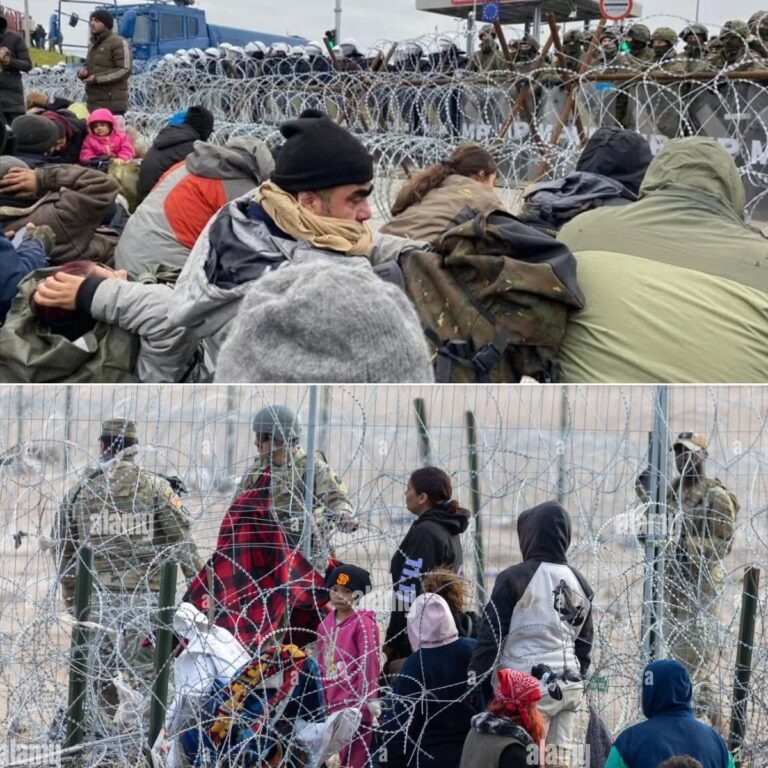
The accompanying newspaper-style image is designed as an editorial illustration, combining Shabana Mahmood, the Home Office, a Channel crossing and UK imagery. It should be treated as illustrative rather than a photograph of a specific recent event.