The Great Disconnect: Labor’s Poll Slump and the Freebie Fiasco
LONDON — Inside the halls of Westminster, the numbers are being described in whispers as “absolutely atrocious.” For Prime Minister Keir Starmer, the honeymoon period didn’t just end; it collapsed. New satisfaction ratings show the Labor leader at a staggering 20 percent—roughly one in five citizens.
In the United States, such figures are almost unheard of for a new leader, but in Britain, they represent a raw, unvarnished truth. Even within his own party, Starmer’s support has dipped to 52 percent, a precarious position for a man who promised a new era of stability.
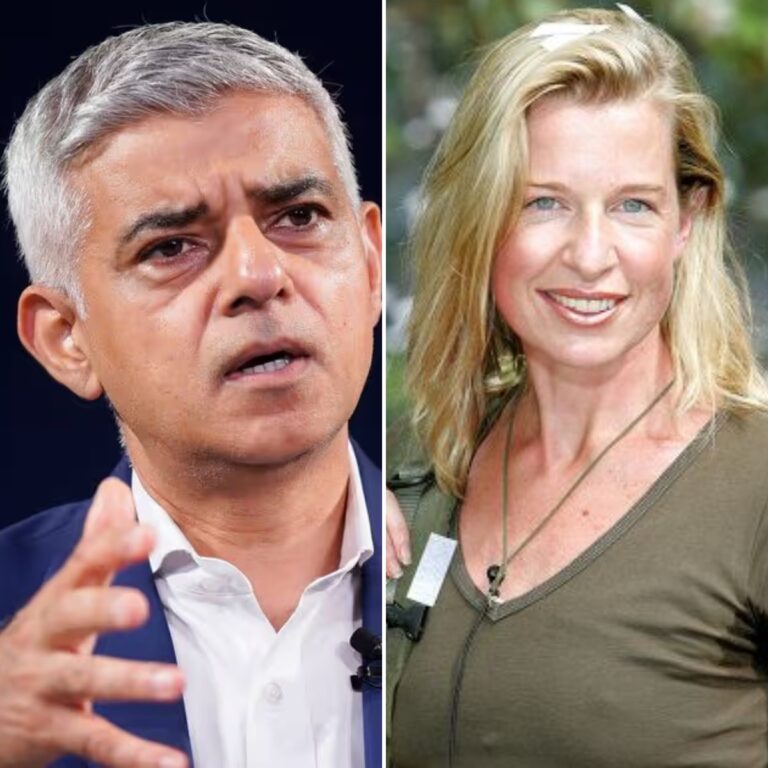
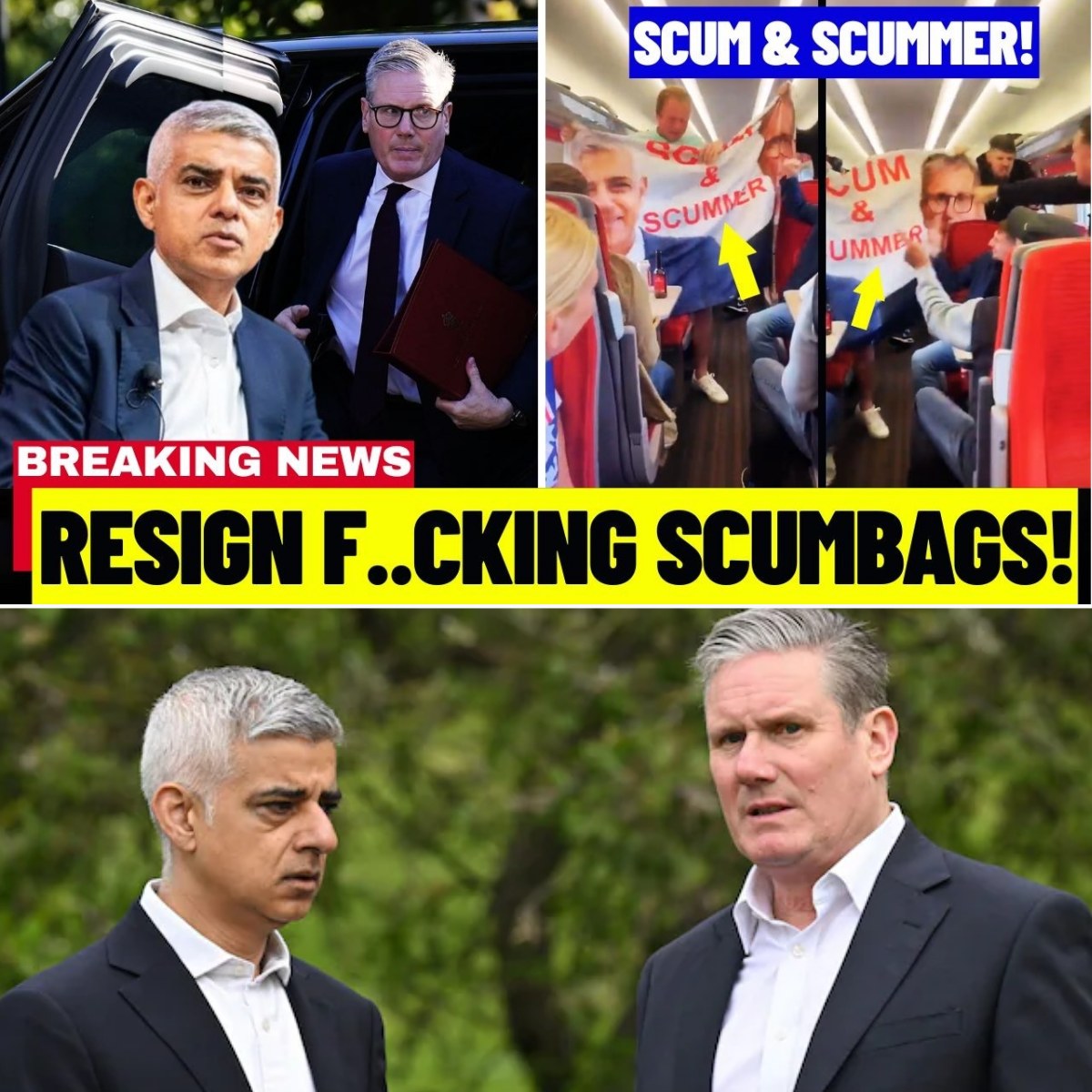
The public’s frustration found a vocal outlet recently when both Starmer and London Mayor Sadiq Khan were met with a wall of boos from “British lads” during a public appearance. This was not the choreographed protest of pundits, but the primal scream of a public feeling utterly ignored.
This isn’t mindless heckling; it is the sound of a population that has reached its limit. For years, the frustration has built behind closed doors, and now it has burst into the open. The message from the street was clear: “It is time for you to go.”
For Sadiq Khan, the anger centers on a city that many residents no longer recognize. Amidst a brutal cost-of-living crisis, Khan’s expansion of the Ultra Low Emission Zone (ULEZ) is seen as a direct attack on the working man, the tradesman in his van, and the small business owner.
Critics argue that ULEZ is a tax on the poor disguised as green policy. While the Mayor lectures on air quality from a “City Hall echo chamber,” his constituents feel less safe on their own streets, citing rising crime rates and a perceived lack of fundamental urban management.
Then there is Sir Keir Starmer, a man whose political identity seems as fluid as a contortionist’s pose. The public’s sense for inauthenticity is sharp; they see a leader who stood on one platform to win his party’s leadership only to spend every subsequent day running away from it.
That booing represents a vote of no confidence in the flip-flopping and perceived lack of conviction. To the men shouting in the streets, Starmer is just another suit waiting for his turn at power, speaking a language that does not translate to the struggles of daily British life.
When these politicians were forced to face the music without their press officers, the power dynamic briefly flipped. They couldn’t hide behind curated photo opportunities or PR stunts. For a few moments, they had to listen to the unfiltered, raw emotion of the people they claim to serve.

Those calls for resignation were a reminder that in a democracy, the people remain the boss. When the boss is unhappy, the noise becomes impossible to ignore. This isn’t just the end of a political phase; it is the beginning of a loud, brilliantly British reality check.
The situation worsened this week with the emergence of a donation scandal that has left Labor reeling. It emerged that the party’s largest donation came from a Cayman Islands-registered hedge fund—a tax haven Labor has spent years promising to “clamp down on” in their official manifestos.
The fund, which holds shares in fossil fuels, arms manufacturers, and private healthcare, donated £4 million. Suspiciously, the donation fell within a specific one-week window that allowed Labor to avoid declaring it until after the general election had concluded, sparking accusations of a deliberate cover-up.
Can anyone imagine the outrage from the Labor front bench if the Conservatives had accepted millions from offshore billionaires under similar circumstances? The hypocrisy is palpable, especially given Deputy Prime Minister Angela Rayner’s frequent social media attacks on “Tory rich mates” and their alleged tax loopholes.
The scrutiny has extended to Starmer’s personal conduct, specifically his acceptance of £17,000 in “freebies” from Lord Wahed Ali. The Prime Minister has reportedly stayed rent-free in Lord Ali’s £18 million flat, leading many to ask what exactly an offshore billionaire is getting in return for such generosity.
Most recently, the debate has turned to Starmer’s use of a luxury hospitality box at Arsenal football games. His defense—that he is saving the taxpayer money on security by not sitting in the stands—has been met with widespread mockery and disbelief by the general public.
Starmer claims that if he sat in the regular stands, the taxpayer would have to “pick up the tab” for a massive security detail. Critics argue he could simply pay for his own tickets or stay home, rather than accepting “buttering up” from a club potentially facing new regulations.
The Labor line today is that the Prime Minister needs these freebies to “relax” and spend time with his family. It is a justification that falls flat when compared to the standards Labor set for their predecessors during the height of the global pandemic and the Brexit negotiations.
When Boris Johnson was guiding the country through COVID-19, Starmer wanted him arrested over a birthday cake. To now claim that he needs luxury hospitality boxes and millionaire apartments just to decompress is seen as an absolute “ridiculous” double standard by his many political opponents.
The perception of a “conflict of interest” is growing. With a new football regulator on the horizon, Starmer’s presence in a corporate box at Arsenal is a glaring optical disaster. It suggests a political class that is insulated from the very rules it intends to impose on others.
This disconnect between the elite and the electorate is reaching a crescendo. The British people are finding their voice again, and it is a voice that refuses to be patronized by those who promise “change” while living off the largesse of the very systems they claim to hate.
Politicians across the spectrum should be warned: the “unfiltered truth” is now being delivered live and direct. The era of hiding behind press releases is over. If the satisfaction numbers continue to sit in the teens, the calls for resignation will only grow louder and more frequent.
The “primal scream” heard in the streets this week is a sign that the social contract is fraying. When people feel that their leaders share none of their daily struggles but enjoy all of the perks of power, the foundations of political consent begin to crumble and dissolve.
The £4 million hedge fund donation remains the most damaging revelation. It undermines the party’s moral authority on climate change, healthcare, and tax reform. It paints a picture of a party that is “open for business” to the highest bidder, regardless of their ethical or environmental footprint.
As the public reality check continues, Starmer and Khan must decide if they will listen to the “bosses” or continue to hide in their echo chambers. The booing will not stop until the policies change and the perceived hypocrisy is addressed with genuine transparency and political courage.
For now, the “glorious scenes” of public defiance serve as a powerful reminder of the British spirit. The people are no longer willing to be told what to think or how to live by an elite that seems increasingly out of touch with the reality of the 21st century.
The “freebie fiasco” is more than just a headline; it is a symbol of a deeper malaise in British politics. It is the story of a leadership that promised to be different but has proven to be remarkably similar to the systems it once criticized so very harshly.
If Labor wants to rebuild trust, they must start by acknowledging the “atrocious” numbers and the legitimate anger of the public. They must realize that “fair dues” is not a defense when the public is struggling to put food on the table or heat their homes.

The coming months will be a test of Starmer’s resilience. Will he double down on the corporate boxes and offshore donations, or will he return to the principles he once claimed to hold? The public is watching, and they are no longer in a mood to be quiet.
The “voice of frustration” is a potent force in British politics. It has toppled giants before, and it can do so again. As the Prime Minister faces the music, he would do well to remember that the loudest boos often come from those who once wanted to believe.
Ultimately, the power belongs to the people. Whether at the ballot box or on the street corner, the message remains the same: lead with integrity, or prepare to go. The British lads have spoken, and their message is echoing through the very heart of the Westminster establishment.