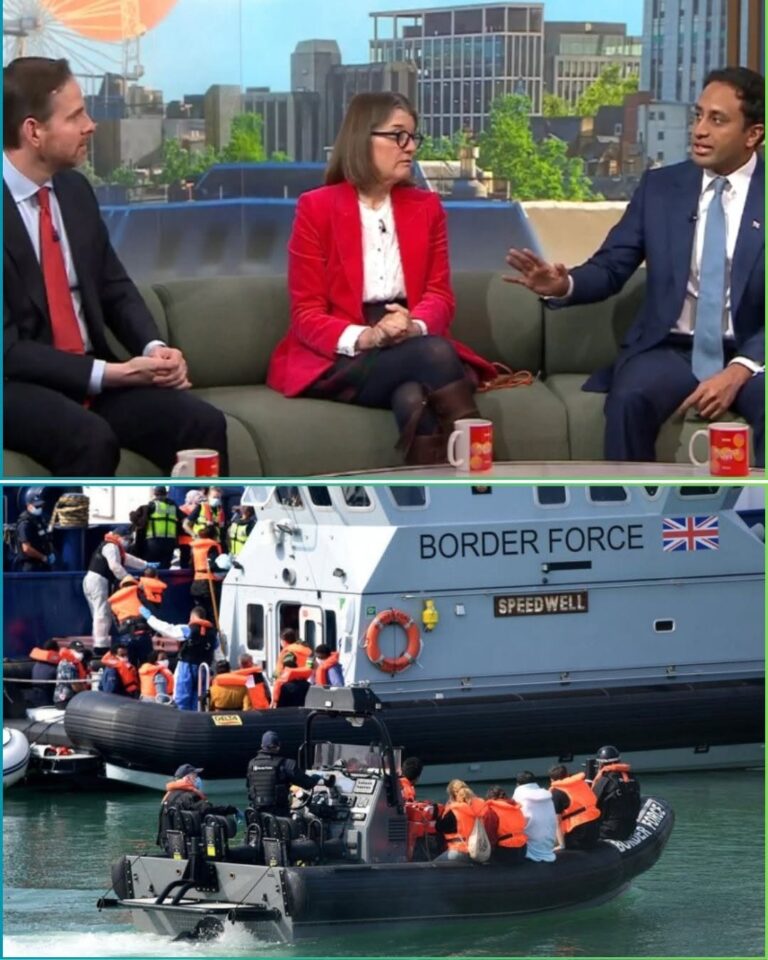

The UK Energy Secretary faced intense questioning during a recent television interview, reaffirming the government’s commitment to cutting household energy bills by £300 by 2030, despite recent massive price hikes and ongoing controversy over standing charges.

During the live broadcast, the presenter aggressively challenged the Energy Secretary, asking directly if the government still stood by its £300 reduction pledge. After an initial attempt to outline the administration’s recent interventions—such as removing VAT from electricity bills and implementing a £150 cost reduction—the presenter demanded a simple “yes or no” answer, asking the Secretary to drop the “prepared statement.”
“Yes,” the Energy Secretary replied, confirming the pledge. “My number one priority is affordability, and I will be doing everything I can to drive down bills.”
However, the presenter countered that even if the £300 target is met by 2030, the pledge risks becoming “meaningless” given the immediate financial pressures on consumers. The presenter cited that energy bills have already increased by 17% since April of this year alone.

The Secretary defended the government’s current position, stating that recent interventions have provided crucial “breathing space” and that bills would be even higher without them. She attributed the rising costs to the UK’s exposure to volatile global fossil fuel markets, particularly exacerbated by the ongoing war in the Middle East. To counter this, she argued, the government is “driving forward with clean, homegrown power” as a long-term solution to drive down consumer costs.
The interview then pivoted to the highly contentious issue of standing charges—the fixed daily amount consumers pay regardless of how much energy they use. The presenter noted that many citizens are “afraid to switch on electricity” despite cutting back on usage, because the standing charge “sits there like cement.” The presenter also referenced an earlier interview with the CEO of Octopus Energy, who seemingly passed responsibility for fixing the standing charge system back to the government.
The Energy Secretary acknowledged that standing charges are a “massive bugbear” and a significant source of frustration for the public. She confirmed that both the government and the regulator, Ofgem, are actively reviewing the issue following a recent consultation.
However, the Secretary outlined the core challenge in addressing the charges: they are designed to cover fixed systemic costs, such as infrastructure upgrades and network maintenance. “Whether you put them on standing charges or you put them on the unit rate, you’ve got to recover them in some way,” she explained. The current focus, she stated, is on determining the “fairest way” to recover those costs so that households actively reducing their energy consumption aren’t disproportionately penalized by high fixed fees.
The exchange highlights the immense political and economic pressure on the government to deliver on its energy promises while navigating the structural complexities of the UK energy market and the immediate financial strain on households.