Policing Debate Intensifies as Sadiq Khan Faces Scrutiny at Mayor’s Question Time
A lively political debate has emerged in London following a tense exchange during Mayor’s Question Time, where Assembly Members questioned Mayor Sadiq Khan about policing resources, public safety, and the future direction of the Metropolitan Police. The discussion has attracted considerable attention as concerns about crime, police funding, and frontline services continue to rank among the issues most important to Londoners.
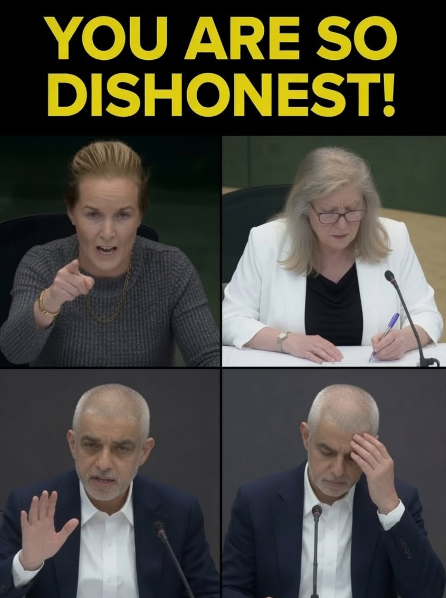
During the session, several Assembly Members challenged the Mayor over decisions affecting police budgets and officer numbers. Questions focused on whether current funding arrangements and operational priorities could have consequences for neighbourhood policing, emergency response capabilities, and public confidence in law enforcement.
The exchange reflected broader concerns that have been debated across the capital for several years. Rising demand on police services, financial pressures facing local government, and the complexity of modern policing have all contributed to ongoing discussions about how resources should be allocated.
Those raising concerns argued that maintaining visible policing is essential for preventing crime and reassuring communities. Some Assembly Members questioned whether reductions in certain areas of spending or changes in deployment could place additional pressure on frontline officers already managing significant workloads.
Mayor Khan defended his record during the debate, arguing that policing in London must be considered within the wider context of national funding decisions, operational demands, and the
responsibilities shared between City Hall, the Metropolitan Police, and central government. He maintained that improving public safety remains one of his administration’s key priorities.
Supporters of the Mayor argue that policing challenges cannot be viewed in isolation. They point to factors including population growth, increasingly complex criminal activity, counter-terrorism responsibilities, and long-term funding pressures affecting police forces across England and Wales.
Critics, however, contend that Londoners judge policing primarily by what they experience in their local communities. They argue that response times, neighbourhood patrols, and the visibility of officers are among the most important measures of public confidence and should remain central priorities for City Hall.
The discussion also highlighted broader disagreements over how policing should be financed. Some Assembly Members called for greater investment in frontline services, while others emphasized the need to improve efficiency and ensure that existing resources are used as effectively as possible.
Experts in policing note that decisions about police funding involve multiple institutions. While the Mayor has responsibilities relating to policing in London through the Mayor’s Office for Policing and Crime, central government also plays a significant role in determining overall funding levels for police forces.
Public safety specialists observe that debates about policing frequently involve competing priorities. Investment may be required not only for visible neighbourhood patrols but also for specialist investigations, cybercrime, counter-terrorism, domestic abuse, safeguarding, and other increasingly complex areas of policing.
Political analysts suggest that crime and policing are likely to remain major issues in London’s political debate. Public concern over community safety continues to influence discussions between local government, Parliament, and policing authorities, particularly as economic pressures affect public services.
Community organizations have emphasized that effective policing depends on cooperation between officers, local authorities, and residents. Many groups argue that crime prevention requires both strong law enforcement and sustained investment in education, youth services, mental health support, and community partnerships.
Constitutional experts also note that public scrutiny of elected officials is an important feature of democratic governance. Mayor’s Question Time is designed to allow Assembly Members from
different political parties to question the Mayor on policy decisions and hold the executive to account in a public forum.
The exchange has generated significant discussion across traditional media and social media platforms. Supporters of the Mayor argue that his administration is addressing difficult financial realities while continuing to prioritize public safety. Critics believe further action is needed to strengthen policing capacity and rebuild public confidence in frontline services.
As debate continues, no immediate policy changes were announced during the session itself. However, the discussion has once again highlighted the importance of policing, public safety, and resource allocation in London’s political agenda. With differing views on how best to achieve safer communities, the conversation is expected to continue as City Hall, the Metropolitan Police, and the government consider future funding and policing strategies.