The Renewed Push to Pardon Derek Chauvin: Justice, DueProcess, and the Continuing Debate Over One of America’s Most Controversial Criminal Cases
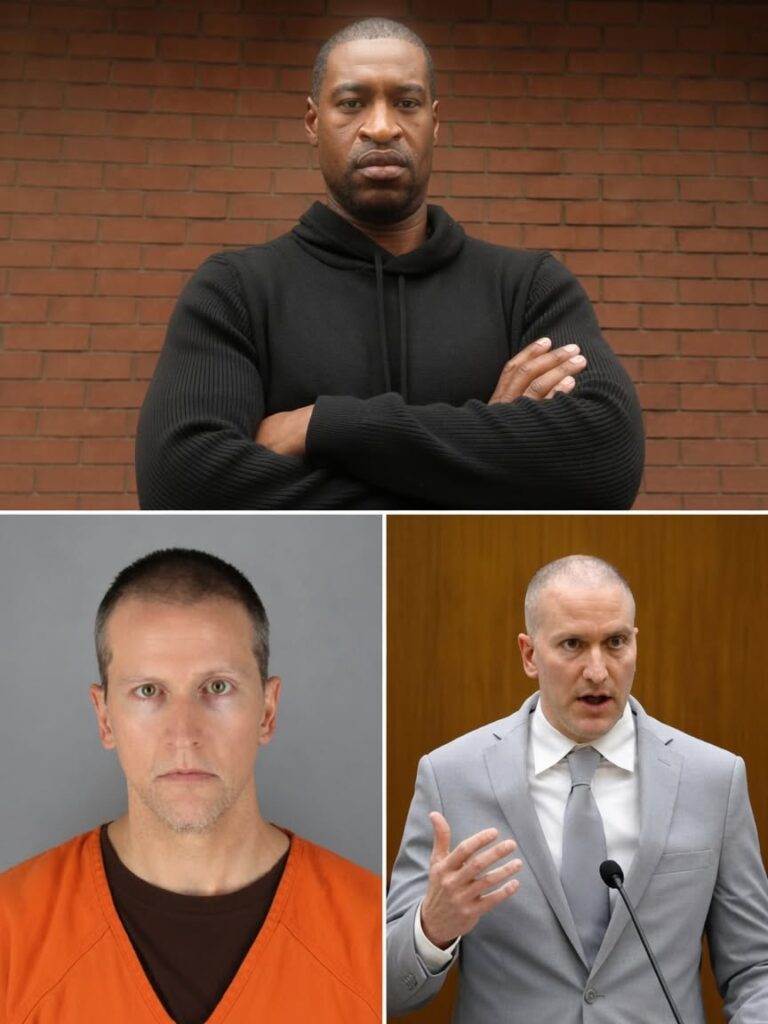
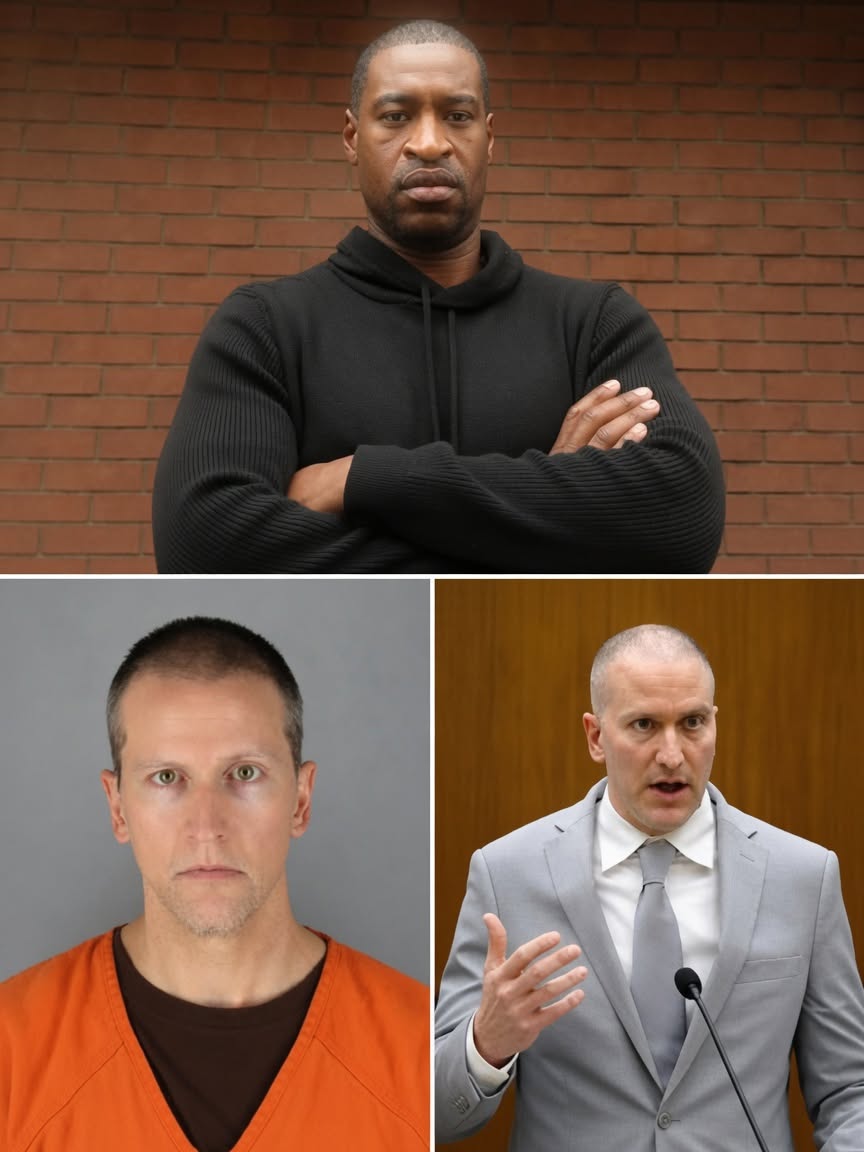
More than six years after the death of George Floyd transformed the United States and sparked one of the largest protest movements in modern American history, the legal and political debate surrounding former Minneapolis police officer Derek Chauvin remains far from settled. While Chauvin is serving lengthy prison sentences for both federal civil rights violations and state murder convictions, a growing number of public figures, commentators, activists, and citizens have renewed calls for a presidential pardon of his federal conviction or other forms of legal relief.
BREAKING
Supporters of these efforts argue that Chauvin did not receive a fair trial because of extraordinary public pressure, intense media attention, and widespread civil unrest that surrounded the proceedings. Critics strongly reject those arguments, maintaining that the evidence presented at trial overwhelmingly supported the jury’s verdict and that any attempt to pardon Chauvin would undermine confidence in the justice system and disregard the findings reached through due process. The renewed discussion has once again placed fundamental questions at the center of American public life. Can a defendant receive a truly impartial trial during a period of national upheaval? How should courts balance intense public attention with constitutional guarantees of fairness? Should executive clemency ever be used in a case that has become a symbol of racial justice and police accountability? These questions remain deeply divisive, reflecting broader disagreements about policing, criminal justice, constitutional protections, and public trust in American institutions.
To understand why the debate has resurfaced, it is important to revisit the events that brought Derek Chauvin into the national spotlight. On May 25, 2020, Minneapolis police officers responded to a report that George Floyd had allegedly used a counterfeit twenty-dollar bill at a neighborhood convenience store. During the arrest, Floyd was restrained on the ground while Chauvin pressed his knee against Floyd’s neck and upper back for several minutes. Bystanders recorded the incident on their mobile phones, and the footage spread rapidly across social media and news organizations around the world.
The video prompted immediate outrage. Millions of people viewed the recording, and many concluded that excessive force had been used. Floyd was later pronounced dead, and the medical findings, together with the widely circulated video evidence, became central to one of the most significant criminal prosecutions involving a police officer in recent American history. Massive demonstrations followed throughout the United States and internationally. While many protests remained peaceful, some cities also experienced riots, property destruction, clashes with police, and extensive economic damage. The criminal proceedings against Chauvin unfolded under extraordinary circumstances. Because of concerns about publicity and potential bias, legal teams debated whether the trial should be moved to another jurisdiction. Defense attorneys argued that the unprecedented media coverage, widespread protests, and political commentary made it impossible to seat an impartial jury. Prosecutors countered that the judicial process included extensive jury screening and that courts routinely manage high-profile cases through established legal procedures.
During jury selection, prospective jurors completed detailed questionnaires and underwent extensive questioning regarding their knowledge of the case and their ability to remain impartial. Ultimately, twelve jurors and two alternates were selected. Throughout the trial, the court repeatedly instructed jurors to avoid outside information and base their verdict solely on the evidence presented in court.
The prosecution presented testimony from eyewitnesses, police supervisors, medical experts, emergency responders, and use-of-force specialists. Prosecutors argued that Chauvin’s actions constituted an unreasonable use of force and directly contributed to Floyd’s death. They emphasized the duration of the restraint and argued that Floyd no longer posed a threat when the restraint continued.
The defense offered a different interpretation of the evidence. Defense attorneys argued that Floyd had underlying medical conditions, had consumed drugs prior to the encounter, and that multiple factors may have contributed to his death. They also maintained that Chauvin’s conduct should be evaluated from the perspective of a police officer making decisions during an evolving arrest situation rather than through hindsight. These arguments formed a central part of the defense strategy but ultimately did not persuade the jury.
In April 2021, Chauvin was found guilty of second-degree unintentional murder, third-degree murder, and second-degree manslaughter under Minnesota law. He later received a sentence of 221⁄2 years in state prison. Separately, Chauvin pleaded guilty in federal court to violating George Floyd’s constitutional rights, resulting in an additional federal sentence that runs concurrently with his state sentence.
Since the conviction, Chauvin has pursued multiple appeals challenging various aspects of the proceedings. His legal team has argued that pretrial publicity, alleged juror misconduct, and other procedural issues warrant further judicial review. Appellate courts have considered these arguments under established legal standards governing criminal appeals. While some legal challenges remain ongoing or have been pursued through various avenues, the principal convictions have remained in place.
The latest wave of discussion focuses on whether executive clemency should be considered. Under the U.S. Constitution, the President has authority to grant pardons or commute sentences for federal offenses, but not for state convictions. Consequently, even if a President were to pardon Chauvin’s federal conviction, such action would not eliminate his Minnesota state sentence. Legal scholars have therefore noted that a federal pardon alone would have limited practical effect unless additional developments occurred at the state level.
Supporters of a pardon emphasize several constitutional concerns. They argue that the unprecedented political environment surrounding the trial created pressure on public officials, jurors, and the judicial system. Some point to comments made by elected officials during the proceedings, arguing that such statements risked influencing public perception. Others contend that the extensive media coverage made it difficult to guarantee complete impartiality despite careful jury selection procedures.
Some legal commentators who question aspects of the trial do not necessarily argue that Chauvin is innocent. Instead, they focus on broader constitutional principles, suggesting that every defendant-regardless of public opinion is entitled to a fair trial conducted free from external pressure. They argue that protecting procedural rights in controversial cases ultimately strengthens the justice system for everyone.
Opponents of a pardon reject those claims, arguing that the judicial process functioned as intended despite extraordinary circumstances. They note that appellate courts have reviewed numerous legal issues raised by the defense and that judges consistently concluded the proceedings met constitutional standards. Critics further argue that granting clemency in such a high-profile case could weaken public confidence in judicial verdicts reached after lengthy trials.
Civil rights organizations have also expressed concern that reopening debate over Chauvin’s conviction risks shifting attention away from broader conversations about policing reforms, accountability, and community trust. Many advocates argue that George Floyd’s death became a catalyst for examining police practices nationwide and that the legal outcome represented an important moment of accountability within the criminal justice system.
The debate has also highlighted differing public understandings of what a pardon actually represents. A presidential pardon does not necessarily declare someone factually innocent. Historically, presidents have issued pardons for a wide variety of reasons, including concerns about fairness, national reconciliation, humanitarian considerations, or perceived injustice. As a result, discussions surrounding executive clemency often involve both legal and political considerations rather than simple determinations of guilt or innocence.
Political reactions have reflected the broader polarization surrounding the case. Some public figures argue that renewed examination of the trial serves an important constitutional purpose by encouraging scrutiny of due process protections. Others warn that politicizing criminal verdicts risks undermining judicial independence and further deepening divisions within American society. The issue has therefore become part of a wider national conversation extending beyond the specific facts of Chauvin’s prosecution.
Legal experts continue to debate broader questions raised by the case. High-profile criminal prosecutions frequently involve extensive media attention, but few have generated the level of public engagement seen during the Chauvin trial. The case has prompted renewed scholarly discussion about venue changes, jury selection procedures, media influence, judicial instructions, and the constitutional balance between public transparency and a defendant’s right to a fair trial.
At the same time, many observers emphasize that reasonable people can disagree about legal procedures while still recognizing the tragedy surrounding George Floyd’s death. For Floyd’s family, supporters, and many Americans, the case remains deeply personal and symbolic of broader concerns regarding policing and racial equality. For others, the primary focus lies on ensuring that constitutional protections remain robust regardless of the public emotions surrounding any individual defendant.
As renewed calls for a pardon continue to circulate, no change has occurred to Derek Chauvin’s underlying state conviction, and any future action regarding his federal sentence would depend on decisions by the appropriate executive authorities. Whether those calls gain political momentum remains uncertain, but they have unquestionably reopened one of the most emotionally charged legal debates in recent American history.
Ultimately, the continuing controversy illustrates the enduring complexity of balancing justice, accountability, constitutional rights, and public confidence in democratic institutions. The discussion extends far beyond one individual or one criminal case. It reflects enduring questions about how societies administer justice during moments of extraordinary national crisis, how courts preserve fairness amid intense public scrutiny, and how Americans continue to grapple with the legal and social legacy of an event that profoundly shaped the country’s recent history.