IRELAND FACES A MOMENT OF NATIONAL TENSION AS MASS PROTESTS AND POLITICAL PRESSURE TEST THE COUNTRY’S FUTURE
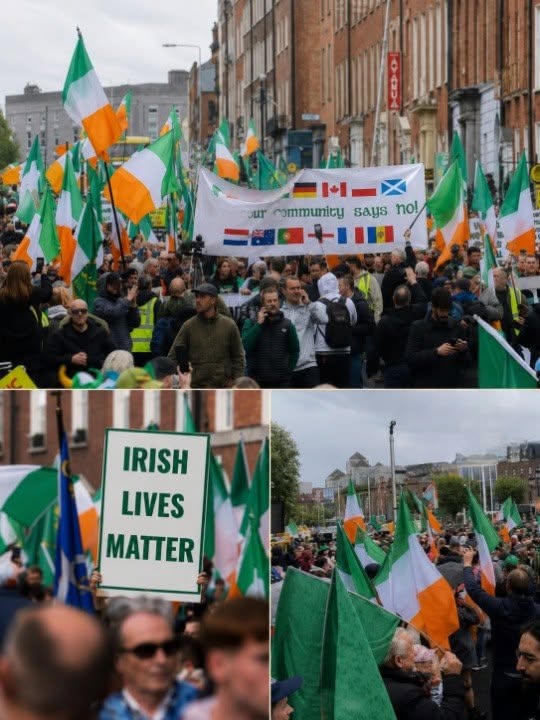
Ireland is experiencing one of the most politically charged periods in recent years, with large public demonstrations, heated parliamentary debates, and growing public dissatisfaction placing the government under intense scrutiny. Across social media, headlines claiming that “Ireland is in total shutdown” and that “200,000 people marched on Parliament’ have spread rapidly, fueling speculation about an imminent collapse of the government. While such claims have attracted enormous attention online, many remain difficult to independently verify in their entirety, making it important to distinguish confirmed developments from viral narratives. What is beyond dispute, however, is that Ireland has entered a period of significant political tension in which questions surrounding immigration, housing, healthcare, inflation, and public confidence have become increasingly interconnected. The current atmosphere reflects a broader debate over the country’s future rather than a single isolated political event.
The past several years have transformed Ireland’s political landscape in ways few observers anticipated. Once regarded as one of Europe’s most politically stable democracies, Ireland now finds itself confronting a series of overlapping challenges that have placed extraordinary pressure on both national institutions and local communities. Economic growth remains comparatively strong by European standards, yet many citizens argue that prosperity has not been equally shared. Rising housing costs, shortages of affordable accommodation, increased demand on healthcare services, and continuing debates over migration have become defining issues in public discourse. As these concerns have accumulated, dissatisfaction with established political parties has become increasingly visible.
Housing remains perhaps the single most influential issue shaping public opinion. Ireland has experienced years of rising property prices and rental costs, creating significant challenges for first-time buyers, young families, and lower-income households. In major cities, particularly Dublin, housing shortages have become a daily reality affecting thousands of residents. Critics argue that governments of different political backgrounds have failed to build sufficient housing to keep pace with demand, while supporters of current policies contend that substantial investments have already been made but require time to produce meaningful results. Regardless of political affiliation, relatively few dispute that housing has become one of Ireland’s defining policy challenges.
Healthcare represents another major concern repeatedly cited by both protesters and opinion polls. Ireland’s health system has long struggled with waiting lists, staff shortages, and increasing demand resulting from an aging population. Although governments have introduced reforms and increased spending, many citizens continue to report delays in accessing medical care. These frustrations often merge with wider concerns about government priorities, contributing to a broader perception among some sections of society that public services have failed to keep pace with population growth. Supporters of the government note that healthcare pressures are affecting many developed nations, not Ireland alone, but acknowledge that significant improvements remain necessary.
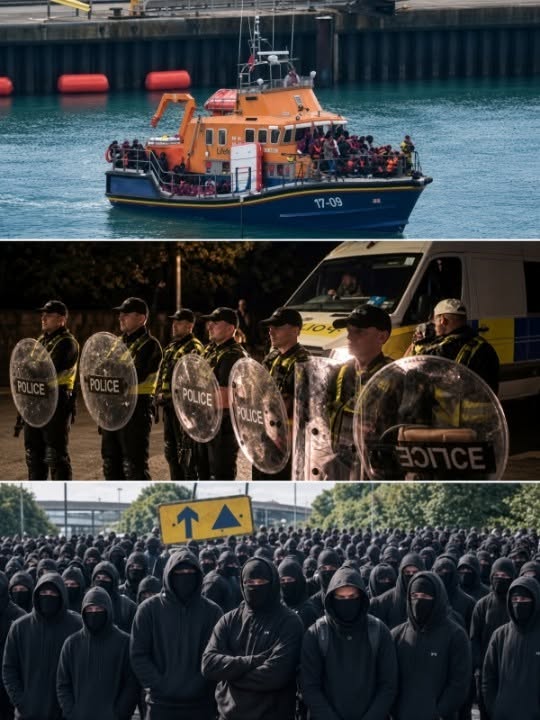
Immigration has emerged as perhaps the most politically divisive issue in contemporary Irish politics. Like many European countries, Ireland has experienced increased migration in recent years, including asylum seekers, refugees, and international workers. Government officials have emphasized Ireland’s humanitarian obligations alongside its economic need for skilled workers in various sectors. However, critics argue that existing infrastructure—including housing, education, and healthcare has struggled to accommodate rapid population growth. This disagreement has become one of the central fault lines dividing public opinion, with different political groups proposing markedly different approaches to border management, asylum procedures, and integration policies.
Public demonstrations concerning immigration have become increasingly common across Ireland. Some rallies have focused specifically on government immigration policy, while others have broadened into wider protests concerning housing shortages, rising living costs, and dissatisfaction with political leadership. Organizers often argue that ordinary citizens feel excluded from major policy decisions affecting their communities. Government representatives, meanwhile, maintain that immigration policy must balance humanitarian responsibilities, legal obligations, and practical considerations while rejecting portrayals that oversimplify a highly complex issue. The resulting debate has become one of the defining political conversations in Ireland today.
Claims circulating online that approximately 200,000 people marched on Parliament illustrate the challenges associated with rapidly spreading social media narratives. Large demonstrations have certainly occurred in Ireland during recent years, but precise attendance figures frequently become subjects of political disagreement. Organizers often estimate significantly higher participation than police or independent observers, while governments may present more conservative estimates. Without consistent independent verification, specific numerical claims should therefore be interpreted cautiously. What matters more than any single attendance estimate is the broader reality that public demonstrations have become increasingly visible indicators of political dissatisfaction.
Equally dramatic are claims suggesting that Ireland has entered a state of “total shutdown.” Such descriptions generally represent rhetorical characterizations rather than official declarations. While demonstrations may temporarily disrupt transport, commercial activity, or access to certain areas, describing an entire nation as completely shut down often reflects political messaging rather than a literal nationwide cessation of normal life. Businesses continue operating, schools remain open in many areas, public institutions continue functioning, and government departments maintain their activities even amid significant protests. Dramatic language frequently gains greater visibility online than nuanced descriptions of unfolding events.
The Irish Parliament has consequently become the focal point of intense political confrontation. Opposition parties have increased pressure on the governing coalition over issues including immigration, housing, healthcare, policing, and public expenditure. Parliamentary debates have grown increasingly confrontational as politicians seek to position themselves ahead of future elections while responding to growing public frustration. Although vigorous parliamentary disagreement is a normal feature of democratic politics, the intensity of recent exchanges reflects the unusually high political stakes currently facing Ireland.
Speculation regarding government collapse has also circulated widely. Coalition governments are common in Ireland’s parliamentary system, meaning that maintaining stable governing majorities often requires ongoing cooperation among multiple political parties. Political disagreements occasionally fuel rumors of elections or leadership changes. Nevertheless, predictions of imminent governmental collapse frequently emerge during periods of heightened political tension and should not automatically be interpreted as evidence that such outcomes are inevitable. Governments can survive significant public protests while implementing File Explorer its or negotiating new political agreements.
Ireland’s political situation also reflects broader trends observable across Europe. Many European governments have faced increasing public debate over immigration, border security, national identity, economic inequality, and the rising cost of living. Elections in several European countries have demonstrated growing support for parties promising stricter migration policies or fundamental political change. Ireland’s internal debates therefore exist within a wider continental context in which voters increasingly question traditional political assumptions while seeking solutions to rapidly evolving social and economic challenges.
Economic pressures continue influencing public sentiment in important ways. Although Ireland’s headline economic indicators often compare favorably with many European economies, many households report feeling financially strained due to inflation, energy costs, childcare expenses, and housing affordability. This contrast between strong national economic statistics and individual financial pressures has become a recurring theme in political discussions. Critics argue that macroeconomic success means little if ordinary families struggle with everyday expenses, while government supporters emphasize employment growth and continued investment as evidence of long-term resilience.
Social media has dramatically accelerated the speed at which political narratives spread throughout Ireland. Videos of demonstrations, speeches, parliamentary exchanges, and confrontations frequently receive millions of views within hours. However, viral content often lacks important contextual information, making it difficult for viewers to distinguish between verified reporting, selective editing, opinion, and speculation. This information environment encourages rapid emotional reactions while simultaneously increasing the importance of careful fact-checking and responsible journalism.
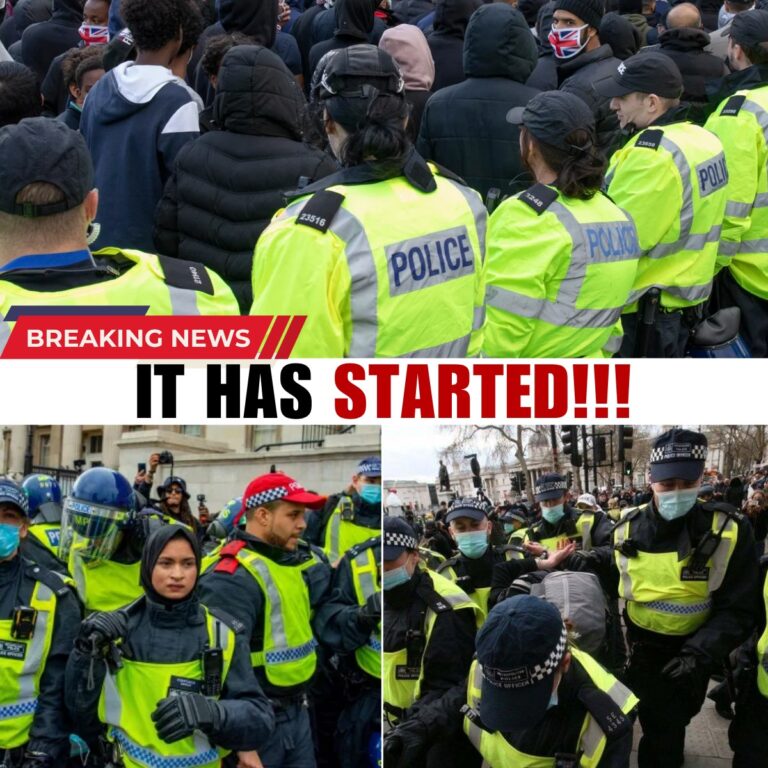
Law enforcement agencies have faced their own challenges during periods of heightened protest activity. Police officers must balance protecting the right to peaceful assembly with maintaining public safety and preventing disorder. Most demonstrations proceed peacefully, although isolated confrontations occasionally receive disproportionate media attention due to their dramatic visual impact. Authorities consistently emphasize that maintaining public order while respecting democratic freedoms remains one of their central responsibilities during politically sensitive periods.
Political analysts increasingly suggest that Ireland may be entering a period of electoral realignment. Traditional political loyalties have become less predictable as new parties, independent candidates, and alternative political movements seek to capitalize on public dissatisfaction. Whether this ultimately produces lasting structural change or represents a temporary response to current circumstances remains uncertain. Electoral outcomes will depend not only on public frustration but also on which political groups successfully persuade voters that they possess credible solutions to Ireland’s most pressing problems.
The debate surrounding immigration continues illustrating the complexity of modern policymaking. Supporters of stricter controls argue that sustainable immigration requires adequate housing, healthcare capacity, educational resources, and effective border management. Others emphasize Ireland’s humanitarian commitments, demographic needs, and economic reliance on international workers. Many observers argue that these objectives need not be mutually exclusive and that successful policy requires balancing compassion, legality, national capacity, and long-term planning rather than framing the issue solely in absolute terms.
Public confidence in political institutions has consequently become a significant issue in itself. Citizens who believe governments respond effectively to legitimate concerns are generally more likely to accept difficult policy decisions. Conversely, when people perceive that their voices are ignored, frustration can intensify regardless of underlying economic performance. Governments therefore face not only the challenge of designing effective policies but also communicating those policies transparensively while demonstrating responsiveness to public concerns.
Ireland’s experience also demonstrates how interconnected policy challenges have become. Housing shortages influence debates about immigration. Healthcare capacity affects discussions regarding public expenditure. Inflation shapes perceptions of government competence. Population growth impacts infrastructure planning. None of these issues exists independently, making comprehensive solutions significantly more difficult than addressing any single problem in isolation. Policymakers therefore confront a complex web of interconnected pressures requiring coordinated long-term strategies. International observers continue monitoring developments closely because Ireland occupies an important position within the European Union, maintains strong economic relationships with both Europe and North America, and plays a significant role in international investment. Political stability has historically been viewed as one of Ireland’s strengths, making current public debates particularly noteworthy for investors, diplomats, and analysts alike. Nevertheless, democratic societies frequently experience periods of intense political disagreement without necessarily descending into institutional crisis. Looking ahead, Ireland’s political future will likely depend upon several interconnected factors: whether housing construction accelerates sufficiently to improve affordability; whether healthcare reforms reduce waiting times; whether immigration policies evolve in ways that balance humanitarian obligations with domestic capacity, whether economic growth continues benefiting households more broadly; and whether political leaders successfully rebuild public confidence. None of these challenges possesses simple solutions, but each will influence public opinion in the months and years ahead.
Ultimately, descriptions portraying Ireland as either a nation on the brink of complete collapse or, conversely, as a country unaffected by growing public frustration both oversimplify a far more nuanced reality. Ireland is clearly experiencing a period of heightened political tension characterized by vigorous democratic debate, significant public demonstrations, and substantial policy disagreements. At the same time, its democratic institutions continue functioning, political competition remains active, and constitutional processes remain intact. As events continue to unfold, careful attention to verified information, balanced reporting, and measured analysis will remain essential for understanding one of the most consequential chapters in Ireland’s contemporary political history.