
DIGITAL ID, VPN RESTRICTIONS AND SOCIAL MEDIA RULES SPARK FRESH POLITICAL DEBATE IN THE UK

A fresh political controversy has erupted in the United Kingdom after claims circulated online that future Labour leadership figures could introduce tougher digital regulations, including identity verification for VPN users and stricter oversight of social media during election campaigns. The allegations, which have gained significant attention across political commentary channels, have fueled renewed debate over online privacy, free speech and the government’s role in regulating digital platforms. However, several of the claims discussed remain unconfirmed and have not been announced as official government policy.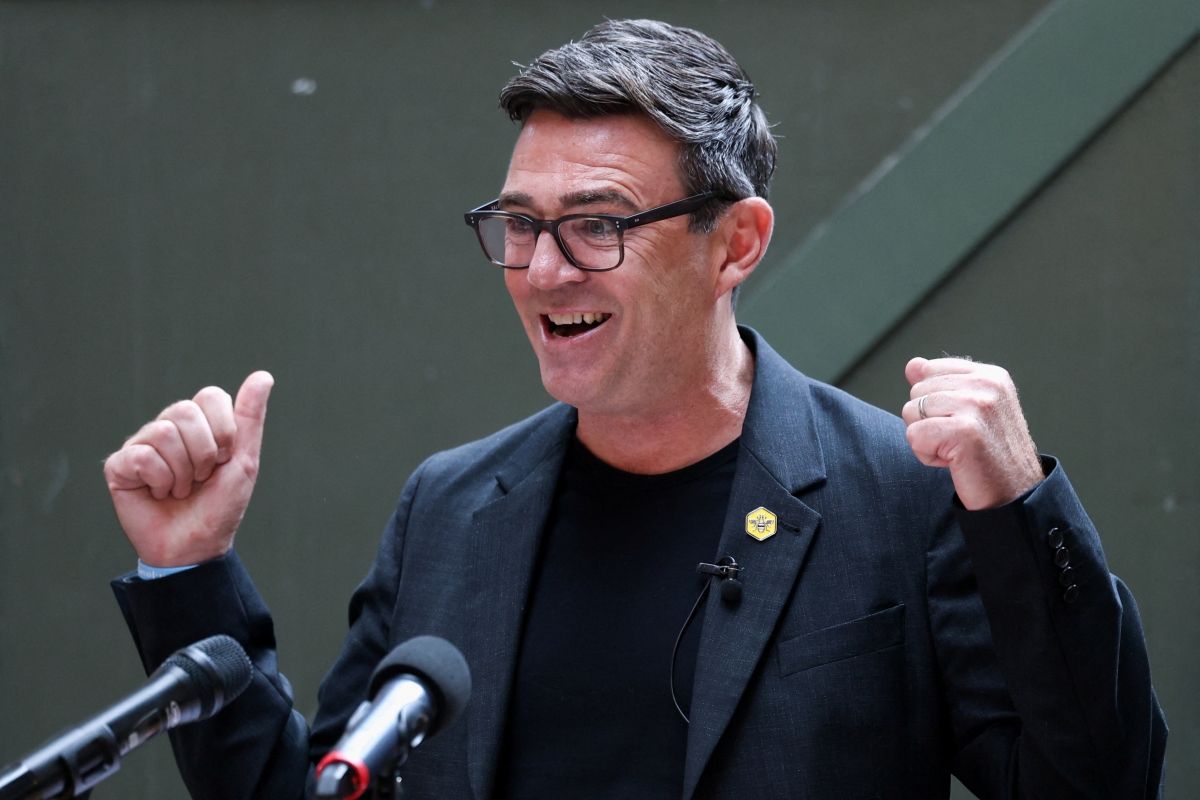
Much of the discussion centers on reports claiming that Greater Manchester Mayor Andy Burnham, who is frequently mentioned as a potential future Labour leader, could support measures requiring digital identity verification for people using Virtual Private Networks (VPNs). According to the commentary, such a system would be introduced as part of wider efforts to strengthen online child safety and enforce age restrictions on internet services. Critics argue that linking VPN access to digital identification would fundamentally change online privacy by making anonymous internet browsing significantly more difficult.
Those raising concerns believe the proposal would represent another step toward a broader digital identity system. Commentators argue that previous discussions surrounding digital ID focused primarily on issues such as immigration and access to public services, while newer proposals appear to frame identity verification as a tool for protecting children online. Critics contend that this gradual expansion could eventually make digital identification necessary for accessing a growing range of online services, although no final legislation has been introduced confirming such requirements.
The debate intensified further after some UK users reported receiving prompts on social media platforms asking them to verify their age before viewing certain content. Screenshots shared online appeared to show options allowing users to confirm their age by uploading government-issued identification or taking a live selfie. Similar age verification systems have already been introduced by several online platforms to comply with regulatory requirements aimed at preventing children from accessing age-restricted material. Nevertheless, critics argue these measures raise legitimate questions about data privacy, identity protection and how personal information is stored.
Supporters of stronger online safeguards maintain that age verification is intended to protect younger users from harmful or inappropriate content rather than expand government surveillance. They argue that technology companies already collect substantial amounts of personal information and that improved age checks simply ensure compliance with child safety legislation. Opponents, however, fear that such systems could gradually normalize mandatory identity checks for wider internet use, creating long-term implications for online anonymity.
Another major issue generating discussion involves reported proposals to strengthen regulation of social media during election periods. According to reports cited by political commentators, Labour Deputy Leader Lucy Powell has expressed support for exploring additional legal responsibilities for large online platforms during election campaigns. The reported proposals would focus on addressing misinformation, disinformation, foreign interference, coordinated influence campaigns and the spread of AI-generated deepfake content that could mislead voters.
Supporters of tighter regulation argue that social media companies should bear greater responsibility for limiting false information capable of influencing democratic elections. They point to growing international concerns surrounding foreign interference, manipulated media and coordinated online campaigns designed to distort public debate. Advocates believe clearer legal duties could improve transparency and reduce the spread of deliberately misleading content during critical election periods.
However, critics remain concerned that any laws targeting misinformation could unintentionally restrict legitimate political speech. They argue that determining what constitutes misinformation is often subjective, particularly during election campaigns where competing political parties regularly challenge each other’s claims. Some fear that social media companies, seeking to avoid legal penalties, could become overly cautious by removing or reducing the visibility of lawful political opinions, investigative reporting or controversial viewpoints.
The wider debate has also expanded to concerns about how online information is distributed. Political commentators have argued that recent discussions surrounding social media algorithms could result in established broadcasters and larger news organizations receiving greater prominence on digital platforms, while independent creators may find it more difficult to reach audiences. Supporters of this criticism claim algorithmic changes could reduce media diversity by concentrating visibility among traditional news outlets.
Others disagree with that interpretation, arguing that platforms routinely adjust recommendation systems to prioritize sources they consider reliable during major news events. They contend that such changes are intended to reduce misinformation rather than suppress independent journalism. Technology companies have repeatedly stated that recommendation algorithms consider numerous factors beyond political affiliation, including content quality, user engagement and policy compliance.
The controversy reflects a much broader international conversation about balancing privacy, online safety and freedom of expression. Governments across Europe, North America and other regions have increasingly examined ways to regulate digital platforms, protect children online and address election security. At the same time, civil liberties organizations continue to warn that excessive regulation or mandatory identification requirements could undermine long-standing protections for privacy and anonymous speech on the internet.
While many of the claims currently circulating remain the subject of political debate rather than confirmed government policy, they have nevertheless intensified public discussion about the future of digital rights in Britain. Whether future legislation ultimately focuses on age verification, platform accountability or broader online regulation, the debate illustrates the growing challenge facing policymakers: protecting users from genuine online harms while preserving the privacy, freedom and open exchange of ideas that have long been central to the internet.
As discussions continue, both supporters and opponents of stronger digital regulation are likely to scrutinize every proposal closely. For now, many of the most controversial claims remain allegations or proposals discussed by commentators rather than enacted law. Nevertheless, the conversation has become another flashpoint in the increasingly heated debate over how governments should regulate the digital world without undermining fundamental civil liberties.