Ireland’s Protests Enter a Critical Phase: Economic Pressures, Public Demonstrations, and the Debate Over the Nation’s Future
Ireland is experiencing a period of heightened public attention as demonstrations continue in several parts of the country, with protesters expressing frustration over rising living costs, fuel prices, and broader economic concerns. As reports indicate that the movement has entered its fifth consecutive day, discussions have expanded beyond the immediate disruptions to encompass questions about public policy, economic management, democratic participation, and the government’s ability to respond to growing public dissatisfaction.
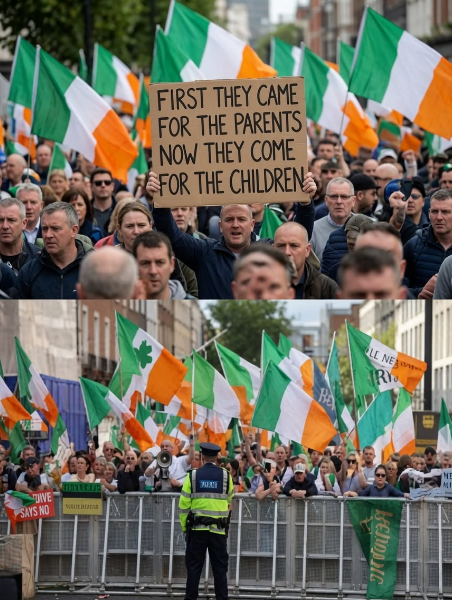
Although demonstrations of varying sizes have become a familiar feature across many European countries in recent years, the developments in Ireland have attracted particular interest because they reflect broader challenges facing households and businesses amid changing economic conditions. Supporters of the protests describe them as an important opportunity for ordinary citizens to voice concerns about affordability and public policy, while critics caution that prolonged disruptions may impose additional costs on communities and essential services. As events continue to unfold, the situation remains fluid, and the longer-term consequences remain uncertain.
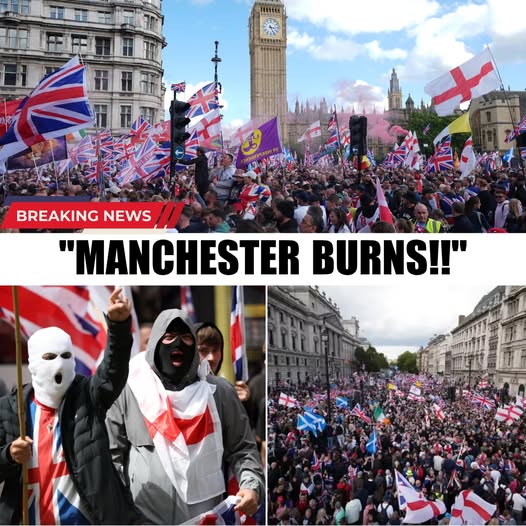
Reports indicate that demonstrations have affected transportation networks in several areas, with traffic delays and localized disruptions occurring as protesters gather in cities and towns. Organizers have reportedly encouraged supporters to participate in larger demonstrations, particularly in Dublin, where attention has increasingly focused on the political symbolism of the capital as a venue for public protest. Authorities, meanwhile, have stated that they are monitoring developments closely while seeking to balance the right to peaceful assembly with the need to maintain public safety and minimize disruption.
The demonstrations emerge against the backdrop of continuing economic pressures experienced across much of Europe during recent years. Inflation, although easing from previous peaks in many countries, has continued to affect household budgets. Rising costs for housing, groceries, utilities, transportation, and other essential goods have become persistent concerns for many families. Businesses, particularly smaller enterprises facing higher operating costs, have also reported financial pressures linked to energy prices, labor expenses, and broader economic uncertainty. For many participants, the protests represent more than opposition to individual policies. Instead, they reflect wider concerns about affordability and whether existing economic policies adequately address the realities facing working households. Protesters interviewed by various media outlets have frequently highlighted the cumulative impact of everyday expenses rather than focusing solely on a single issue. Rising fuel costs have become one visible symbol of these broader frustrations because transportation expenses affect both individuals and commercial activities across urban and rural communities.
Supporters of the demonstrations argue that public protest has historically played an important role in democratic societies by allowing citizens to communicate concerns directly when they believe existing political mechanisms have proven insufficient. They contend that peaceful demonstrations can encourage governments to reconsider policies, engage more actively with affected communities, and provide greater transparency regarding future economic planning. Many participants emphasize that their objective is to encourage meaningful dialogue rather than simply create disruption.
Others, however, express concern that prolonged demonstrations could unintentionally create hardships for people who are not directly involved in the protests. Extended traffic congestion, interruptions to public transportation, delays affecting emergency services, and difficulties for local businesses may generate frustration among residents who support the protesters’ concerns but worry about the methods used to communicate them. Business organizations have often noted that uncertainty surrounding transportation and logistics can affect commercial activity, particularly for retailers and service providers operating in busy urban areas.
Government officials have generally emphasized the importance of maintaining public order while recognizing the legal right to peaceful protest. Law enforcement agencies have reportedly prepared for additional demonstrations by monitoring gathering locations, coordinating traffic management measures, and encouraging peaceful conduct from all participants. Authorities frequently face the complex challenge of protecting civil liberties while ensuring that public infrastructure continues to function safely and efficiently.
The Irish demonstrations also reflect wider patterns observed throughout Europe in recent years. Numerous countries have experienced protests connected to inflation, agricultural policies, energy costs, taxation, environmental regulations, immigration, or broader dissatisfaction with political institutions. While each movement has distinct national characteristics, analysts often observe that many share common themes involving affordability, economic security, trust in government, and public expectations regarding policy responses during periods of financial pressure.
Economic experts note that cost-of-living concerns rarely emerge from a single factor. Instead, they often result from the interaction of multiple economic trends, including global energy markets, supply chain disruptions, labor market conditions, monetary policy, housing availability, and international geopolitical developments. Consequently, governments attempting to address public concerns frequently face difficult policy choices that require balancing fiscal responsibility with demands for immediate financial relief.
Fuel prices have become a particularly visible issue because they influence a wide range of economic activities beyond transportation alone. Higher fuel costs can increase shipping expenses, affect agricultural production, influence retail pricing, and contribute to broader inflationary pressures throughout the economy. For households that depend heavily on private vehicles-especially in rural communities where public transportation options may be limited-even relatively modest increases in fuel costs can significantly affect monthly budgets.
Housing affordability has also remained a central topic in Irish public debate. Although housing issues are not necessarily the primary focus of every demonstration, many observers note that rising rents, limited housing supply, and increasing property prices contribute to broader perceptions of economic strain. Young adults, first-time homebuyers, renters, and lower-income households have frequently expressed concern regarding the long-term accessibility of affordable housing, making it one of several interconnected issues influencing public sentiment.
Political analysts caution against interpreting any single demonstration as a definitive indicator of nationwide public opinion. Participation levels may vary considerably between locations, while motivations among individual protesters can differ substantially. Some participants may prioritize economic reforms, others may emphasize fuel taxation, and still others may seek broader political change. As a result, movements of this nature often represent coalitions of diverse concerns rather than unified campaigns centered on one specific policy demand.
Media coverage of public demonstrations can itself become part of the broader public discussion. Social media platforms often circulate dramatic images or short video clips that capture moments of confrontation, large crowds, or traffic disruptions. While such content can rapidly attract attention, experts frequently encourage audiences to consider broader context before drawing conclusions about the overall scale, objectives, or public support for a movement. Short excerpts may not fully represent events occurring across multiple locations over several days.
The role of digital communication has transformed how protests develop and expand. Organizers can rapidly coordinate demonstrations, distribute updates regarding gathering points, and communicate logistical information through social media platforms and messaging applications. At the same time, authorities increasingly use digital channels to provide traffic updates, public safety guidance, and official statements regarding planned demonstrations. This evolving information environment allows developments to spread quickly but also increases the importance of verifying claims through reliable reporting.
Businesses operating in affected areas face practical challenges whenever prolonged demonstrations occur. Retailers may experience reduced customer traffic if transportation becomes difficult, while delivery schedules can be affected by road closures or congestion. Hospitality businesses, tourism operators, and service providers often monitor protest developments closely because accessibility influences customer activity. Nevertheless, the overall economic impact depends on factors including the duration, geographic scope, and intensity of any disruptions.
For commuters and residents, the demonstrations may produce varying experiences depending on location. Some communities encounter relatively minor delays, while others may experience significant congestion during peak travel periods. Public transportation systems sometimes adjust routes or schedules in response to planned demonstrations. Authorities typically encourage travellers to monitor official traffic advisories and allow additional travel time where disruptions are anticipated.
International observers have also followed developments with interest, as Ireland has generally maintained a reputation for political stability and constructive civic engagement. While public demonstrations are a normal feature of democratic societies, sustained nationwide protests naturally attract attention from analysts seeking to understand broader social and economic trends. Comparisons have occasionally been drawn with protest movements elsewhere in Europe, although local political circumstances remain unique to each country.
Public opinion regarding the demonstrations appears to encompass a broad spectrum of perspectives. Some citizens express sympathy with the economic concerns raised by protesters even if they disagree with tactics that disrupt transportation or commercial activity. Others believe visible demonstrations are necessary to ensure policymakers recognize the urgency of affordability issues. Conversely, some residents emphasize the importance of preserving uninterrupted public services and minimizing inconvenience for those not directly involved in the protests.
The government’s response in the coming days may prove significant in shaping public perceptions. Policymakers often face competing expectations during periods of public unrest. On one hand, many citizens expect firm maintenance of public order and the uninterrupted operation of essential services. On the other, there may also be calls for greater engagement with demonstrators, policy reviews, or additional measures addressing economic pressures. Balancing these priorities requires careful political judgment and ongoing communication.
Historical experience suggests that the trajectory of protest movements can be difficult to predict. Some demonstrations gradually diminish as public attention shifts or negotiations begin, while others expand in response to new developments or perceived govemment responses. Factors including public participation, organizational capacity, political dialogue, media attention, and broader economic conditions all influence how such movements evolve over time.
Looking ahead, analysts generally agree that the central issues highlighted by the demonstrations living costs, fuel prices, household affordability, and economic confidence are likely to remain important topics in Irish public discourse regardless of how the current protests develop. Even if demonstrations eventually conclude, the underlying economic questions they have brought into public focus may continue to influence political debate, policy discussions, and electoral priorities for months or even years.
As events continue to unfold, verified information remains essential for understanding the situation accurately. Reports regarding protest size, locations, disruptions, and official responses may change as new information becomes available. Until comprehensive evidence is established, many observers encourage distinguishing between confirmed developments, preliminary reports, and commentary or speculation. Ireland now finds itself at an important moment in which economic concerns, democratic participation, and public policy have converged, with the coming days likely to shape both immediate responses and longer-term discussions about the country’s economic and political future.