
Europe’s Viral Video Mystery: Millions Are Watching the Same Clips—But the Truth Is Far More Complicated

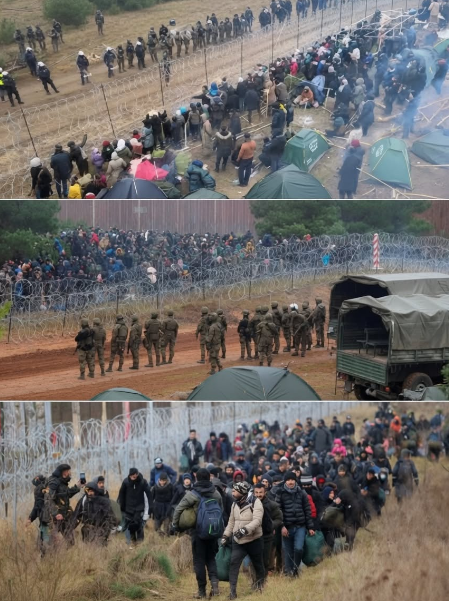
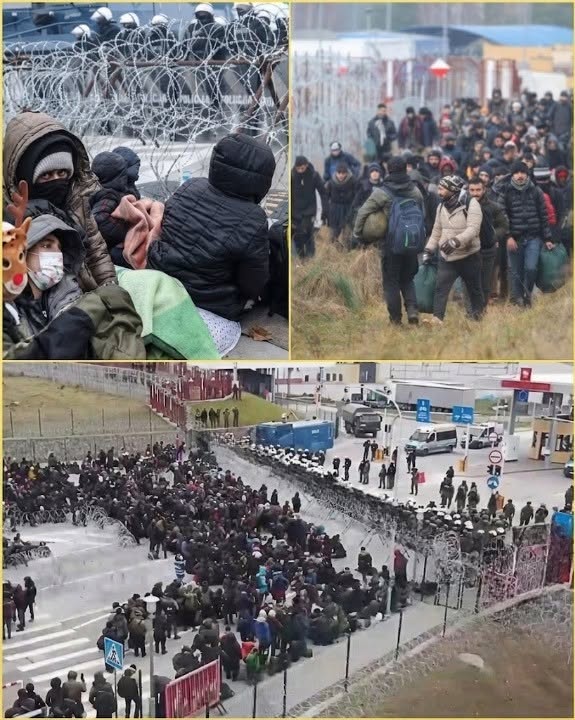
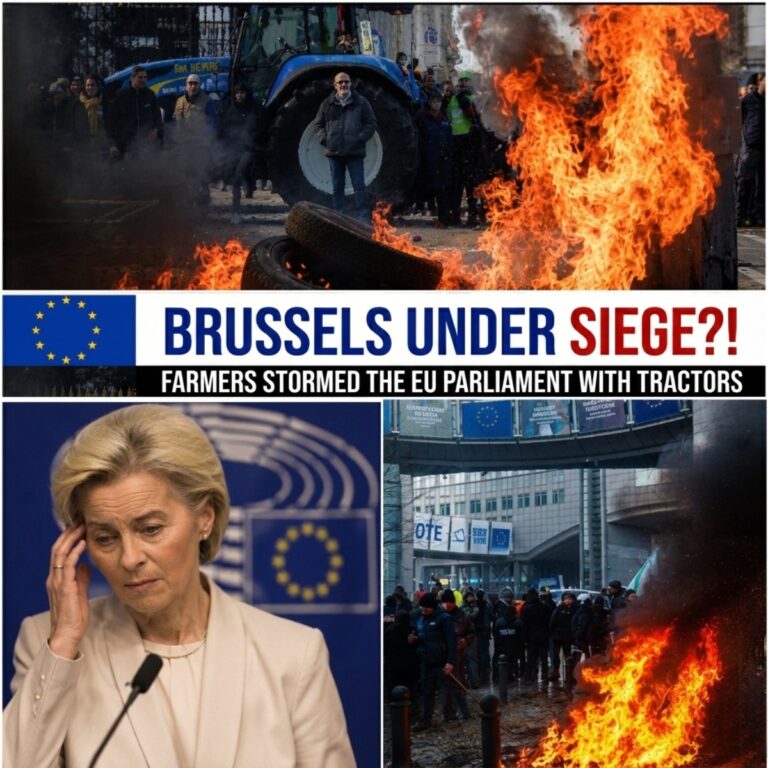
Across Europe, a series of dramatic videos has exploded across social media, capturing the attention of millions within hours. The clips appear to show shocking moments—from massive explosions and crowded city streets to scenes that many viewers immediately linked to major political events or public unrest.
As the videos spread from platform to platform, thousands of people began sharing their own interpretations. Some insisted the footage revealed events that traditional media had ignored. Others argued it was undeniable proof of a much larger story unfolding behind the scenes. Before long, hashtags related to the clips were trending, while comment sections filled with passionate debates.
But as investigators and digital verification experts started examining the footage, a different picture began to emerge.
Several of the most widely shared videos showed signs that they had either been taken out of context, digitally altered, or presented with misleading captions. In some cases, clips circulating as “breaking news” were actually recorded months—or even years—earlier in entirely different locations. Similar misinformation patterns have appeared during recent international events, where old footage, AI-generated visuals, or even video game clips have been falsely presented as current news.
The speed at which these videos spread highlights a growing challenge in today’s online world. A single emotional post can reach millions before anyone has time to verify where it came from. Powerful visuals naturally grab attention, making them more likely to be shared than carefully researched reporting.
Artificial intelligence has also changed the landscape. Modern AI tools can now create highly realistic images and short videos that may look convincing at first glance. While many creators use these tools responsibly for entertainment or art, others publish synthetic content without clearly labeling it, leading viewers to believe fictional scenes are real events. Fact-checkers have documented multiple recent examples where AI-generated clips were mistaken for genuine footage during major news stories.
Experts recommend slowing down before sharing dramatic videos online. Looking for the original source, checking whether trusted news organizations have reported the event, and searching for independent verification can often reveal whether a clip is authentic or misleading. Reverse image searches, official statements, and reputable fact-checking organizations remain some of the most reliable ways to verify viral content.
The debate surrounding Europe’s latest viral footage serves as another reminder that in the age of social media, popularity should never be confused with proof. A video may collect millions of views in a matter of hours, but that alone does not confirm its authenticity.
As technology continues to evolve, distinguishing fact from fiction is becoming increasingly important. Viral clips will continue to dominate online conversations, but careful verification remains the strongest defense against misinformation. The next time a dramatic video appears in your feed, taking a moment to question its origin may reveal a story very different from the one suggested by its caption.