Why Is Poland Refusing to Follow the Rest of Europe? The Debate Over Migration, National Identity, and the Future of the European Union
Poland’s Distinct Approach Has Become One of Europe’s Most Closely Watched Political Stories
Over the past decade, few issues have reshaped European politics as profoundly as migration. From the refugee crisis of 2015 to the continuing challenges of irregular migration along the Mediterranean and the eastern borders of the European Union, immigration has become one of the defining political questions of the twenty-first century. Governments across the continent have adopted different strategies, balancing humanitarian obligations, border security, labor market needs, international law, and domestic political pressures. Among all EU member states, however, Poland has consistently stood apart. While several Western European countries have accepted large numbers of asylum seekers or supported broader relocation mechanisms, successive Polish governments have argued that every nation must retain the sovereign right to determine who enters its territory and under what conditions. This position has sparked both praise and criticism across Europe. Supporters view Poland as defending national sovereignty, cultural continuity, and secure borders, while critics argue that a unified European Union requires greater solidarity and shared responsibility. The question has therefore become much larger than Poland itself. Why has Warsaw chosen such a different path? What explains the country’s migration policies, and what could these decisions mean for the future of European integration? As debates continue in Brussels, national capitals, and local communities alike, Poland has become a focal point in one of the most consequential political conversations facing Europe today.
Understanding Poland’s Position Requires Looking Beyond Today’s Headlines
To understand why Poland has taken a different approach, it is necessary to examine the country’s historical experience, political development, and public attitudes rather than viewing current policies in isolation. Poland’s modern national identity has been shaped by centuries of foreign occupation, shifting borders, war, and the struggle to preserve political independence. From the partitions of Poland in the eighteenth century to Nazi occupation during the Second World War and decades under communist rule, questions of sovereignty and self-determination have occupied a central place in the country’s political culture. Many Polish policymakers argue that these historical experiences continue to influence public opinion today. Decisions involving borders, national security, and demographic change are therefore often viewed through a historical lens that differs significantly from countries with different experiences. Supporters of Poland’s current migration policies frequently contend that national governments should retain primary responsibility for deciding immigration rules because they remain directly accountable to their own citizens. Critics acknowledge Poland’s unique history but argue that EU membership also entails collective responsibilities that sometimes require compromise among member states. This tension between national sovereignty and supranational cooperation has become one of the defining characteristics of contemporary European politics.
The European Migration Crisis Changed Political Priorities Across the Continent
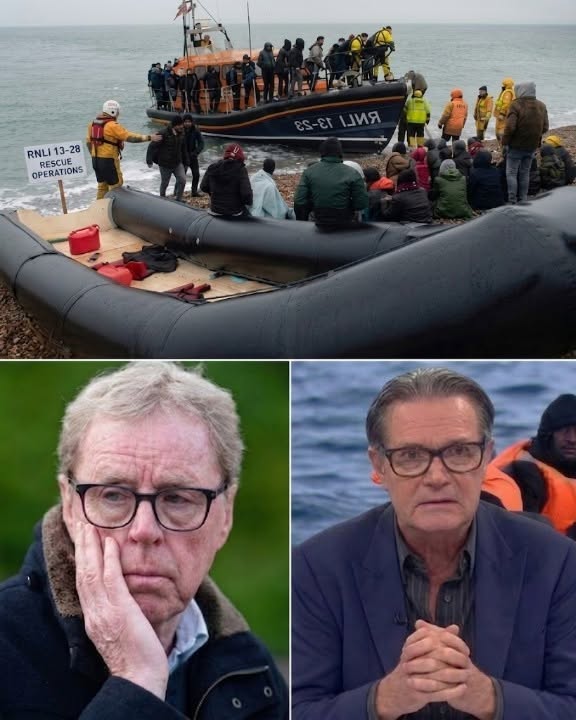
The migration crisis that intensified in 2015 marked a turning point for many European governments. Conflicts in Syria, Iraq, Afghanistan, and other regions, combined with instability in parts of Africa and the Middle East, contributed to unprecedented numbers of people seeking refuge or better economic opportunities in Europe. Several frontline countries faced enormous pressure as arrivals increased rapidly, prompting the European Union to debate burden- sharing mechanisms, asylum reforms, and emergency relocation programs. Some governments supported mandatory quotas designed to distribute asylum seekers more evenly among member states. Others questioned whether such systems respected national sovereignty or adequately addressed differences in domestic capacity and public opinion. Poland emerged as one of the most vocal opponents of compulsory relocation mechanisms. Successive governments argued that migration policy should remain largely under national control and that each member state possessed different security concerns, demographic conditions, and integration capacities. These disagreements did not occur in isolation but reflected broader philosophical differences regarding the future direction of European integration itself.
National Sovereignty Has Become a Central Principle in Poland’s Political Debate
One of the most consistent themes in Poland’s migration policy has been the emphasis on national sovereignty. Government officials across multiple administrations have argued that decisions concerning border management, immigration levels, and asylum procedures represent core responsibilities of democratic nation-states. According to this perspective, elected governments are accountable primarily to their own citizens and therefore must retain the authority to determine migration policies that reflect domestic priorities. Advocates of this position frequently argue that centralized decision-making at the European level risks reducing democratic accountability by distancing important policy choices from national electorates. They also contend that migration policies should consider each country’s economic conditions, housing availability, labor market needs, and security assessments rather than applying uniform rules across all member states. Critics respond that migration challenges increasingly transcend national borders and therefore require coordinated European responses. They argue that unilateral approaches may weaken collective solutions and create unequal burdens among member states. The resulting debate highlights one of the European Union’s most enduring questions: how should authority be divided between national governments and European institutions?
Supporters Believe Strong Borders Are Essential to National Security
Supporters of Poland’s migration policies often emphasize border security as a fundamental responsibility of government. They argue that effective immigration systems require clear distinctions between legal migration, humanitarian protection, temporary residence, and irregular border crossings. According to this viewpoint, maintaining secure external borders protects not only national security but also public confidence in lawful immigration systems. Advocates contend that citizens are more likely to support legal migration when governments demonstrate effective control over unauthorized entry. They further argue that organized criminal networks involved in migrant smuggling exploit weaknesses in border management, placing vulnerable individuals at considerable risk while generating substantial profits for transnational criminal organizations. Consequently, proponents of stronger border controls often frame their arguments not solely in terms of national security but also humanitarian concerns related to preventing dangerous migration routes and reducing exploitation by traffickers. Critics generally acknowledge the importance of secure borders while cautioning that security objectives should remain consistent with international refugee law and human rights obligations. They emphasize that individuals fleeing persecution retain legal rights to seek asylum under established international conventions.
Immigration Is Also an Economic Question Rather Than Only a Political One
Although public discussions frequently focus on security and cultural issues, migration also raises complex economic questions. Across much of Europe, aging populations and declining birth rates have created labor shortages in sectors
ranging from healthcare and construction to agriculture and information technology. Many economists argue that carefully managed immigration can help address workforce shortages, support economic growth, and contribute to public finances, particularly when migrants integrate successfully into labor markets. Poland itself presents an interesting case because it has accepted significant numbers of foreign workers through legal employment channels, particularly from neighboring Ukraine before and after Russia’s full-scale invasion in 2022. This demonstrates that Poland’s migration policy is more nuanced than simply accepting or rejecting immigration altogether. Instead, policymakers have often distinguished between different categories of migration, including labor migration, temporary protection, family reunification, and asylum. Critics nevertheless argue that broader openness could provide additional economic benefits, while supporters maintain that legal migration should remain closely aligned with national labor market requirements and integration capacity. The debate therefore extends beyond ideology into practical questions about demographic
sustainability and long-term economic planning.
National Identity and Cultural Integration Remain Highly Sensitive Topics
Perhaps no aspect of the migration debate generates stronger emotions than questions surrounding national identity and cultural integration. Many supporters of Poland’s cautious migration policies argue that maintaining social cohesion requires newcomers to integrate successfully into the country’s legal, civic, and cultural framework. They contend that shared language, respect for democratic institutions, adherence to national laws, and participation in civic life contribute to long-term stability. Some express concerns that rapid demographic changes could complicate integration if public institutions become overwhelmed or if communities experience limited interaction with one another. Critics respond that European societies have long evolved through migration and cultural exchange, arguing that diversity itself need not undermine national identity. They emphasize that successful integration depends not only on newcomers but also on inclusive institutions, education, employment opportunities, and community engagement. Many scholars note that national identity is neither static nor uniform, evolving continuously through historical experience while retaining core constitutional principles. Consequently, debates over integration frequently involve differing conceptions of what national identity means in modern democratic societies.
The European Union Faces the Challenge of Balancing Unity and Diversity
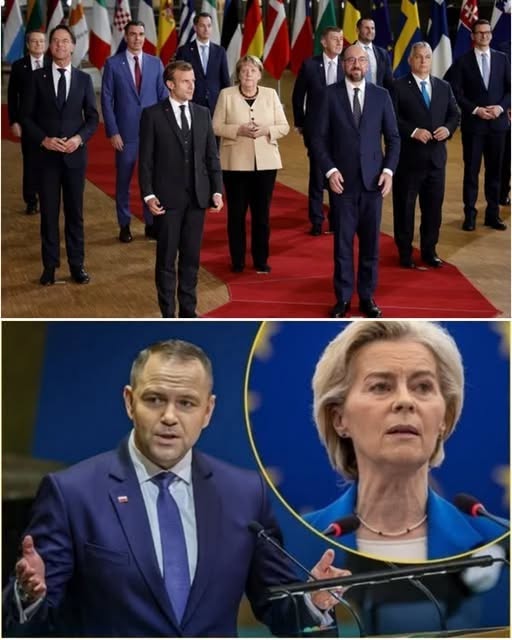
The disagreement over migration has also become a broader discussion about the future of the European Union itself. Since its founding, the EU has sought to balance cooperation among member states with respect for national diversity. Migration policy has exposed the difficulty of achieving this balance because it touches upon sovereignty, security, humanitarian obligations, and democratic legitimacy simultaneously. Some European leaders argue that greater coordination is essential because migration pressures affect the Union collectively, regardless of where individuals first arrive. Others maintain that cooperation should remain voluntary rather than mandatory, allowing governments to adapt policies according to national circumstances. Poland’s position reflects this latter perspective, emphasizing that unity within the European Union does not necessarily require identical national policies. This ongoing debate illustrates one of the EU’s defining characteristics: member states often share common objectives while disagreeing over the methods used to achieve them. How these disagreements are resolved may significantly influence the future development of European institutions.
Public Opinion Across Europe Reflects Increasingly Diverse Perspectives
Public attitudes toward migration vary considerably across Europe and even within individual countries. Surveys consistently indicate that citizens often support both humanitarian protection for genuine refugees and effective management of irregular migration, though the emphasis placed on each objective differs among respondents. Factors influencing public opinion include economic conditions, local experiences with immigration, media coverage, political leadership, and perceptions of government effectiveness. In Poland, opinion polls have frequently shown substantial public support for maintaining national control over migration policy, although attitudes continue to evolve in response to changing international events. Elsewhere in Europe, opinions remain similarly diverse, reflecting different historical experiences and demographic realities. This variation complicates efforts to develop uniform European policies because democratic governments remain accountable to electorates with differing priorities. Consequently, migration debates frequently involve not only competing policy proposals but also differing interpretations of democratic representation itself.
Media Coverage and Social Media Have
Intensified the Debate
The role of media in shaping migration debates cannot be overlooked. Traditional news organizations, television broadcasts, online publications, podcasts, and social media platforms all contribute to how citizens understand complex policy issues. Dramatic images, emotional personal stories, political speeches, statistical reports, and viral online content often compete for public attention. While this abundance of information provides greater access to diverse perspectives, it can also encourage selective exposure, where audiences primarily encounter viewpoints consistent with their existing beliefs. Social media algorithms frequently amplify emotionally engaging content, potentially increasing political polarization around already sensitive issues. Consequently, debates surrounding migration often unfold simultaneously in parliamentary chambers, television studios, academic institutions, and digital platforms, each influencing public perception in different ways. The speed at which information circulates also makes careful verification increasingly important, particularly when claims regarding migration, crime, or public policy spread rapidly before full context becomes available.
Poland’s Policies Continue to Generate Both Support and Criticism Across Europe
As discussions continue, Poland remains one of the European Union’s most closely watched member states regarding migration policy. Supporters argue that the country’s approach demonstrates the importance of national sovereignty, effective border management, and democratic accountability. They contend that migration policies should reflect domestic circumstances rather than externally imposed quotas or standardized frameworks. Critics, meanwhile, argue that European solidarity requires member states to share responsibilities more evenly, particularly during periods of humanitarian crisis. They caution that excessive fragmentation could weaken collective European responses to future migration challenges. Both perspectives acknowledge that migration will remain a central issue for Europe in the coming decades due to demographic trends, geopolitical instability, climate-related displacement, and global economic inequalities. The disagreement therefore concerns not whether migration matters, but how democratic societies should respond to it.
Looking Ahead: The Future of Europe May Depend on Finding a Sustainable Balance
Ultimately, the debate surrounding Poland’s migration policies reflects broader questions extending far beyond one country’s borders. Europe faces the ongoing challenge of balancing humanitarian responsibilities with border security, national sovereignty with international cooperation, economic needs with social integration, and democratic diversity with institutional unity. Poland’s distinctive position has become a symbol of these wider debates, illustrating how different historical experiences and political priorities can produce different policy choices within a shared European framework. Whether future reforms move toward greater harmonization or preserve broader national discretion remains uncertain. What is clear, however, is that migration will continue shaping European politics for years to come. The conversations taking place today in Warsaw, Brussels, Berlin, Paris, Rome, and other European capitals are not merely about immigration policy; they concern the evolving identity of the European Union itself. How governments reconcile competing priorities while maintaining democratic legitimacy and public trust may ultimately determine not only the future of migration policy but also the future direction of European integration in an increasingly interconnected and rapidly changing world.