Should Sadiq Khan Resign Over the Grooming Gangs Controversy? Renewed Debate Rekindles Questions About Accountability, Leadership, and Public Trust

The issue of grooming gangs has once again become one of the most intensely debated topics in British politics, drawing renewed attention from politicians, campaigners, commentators, and members of the public across the United Kingdom. This time, the discussion has expanded beyond criminal investigations and institutional accountability to include London’s Mayor, Sadiq Khan. Following renewed public scrutiny of historic failures by various authorities to identify, investigate, and prosecute organized child sexual exploitation networks, some political critics have argued that senior political leaders should also face greater accountability. Among those targeted by these calls is Khan, with some voices demanding that he resign. Others, however, strongly reject those demands, arguing that there is insufficient evidence linking the Mayor personally to operational decisions surrounding historical investigations. The result has been another highly polarized political debate that reflects broader divisions over policing, governance, immigration, and public confidence in institutions.
The controversy surrounding grooming gangs is not a new issue. For well over a decade, several high-profile investigations across England uncovered organized groups responsible for the sexual exploitation of vulnerable children. Cases in towns including Rotherham, Rochdale, Telford, Oxford, and other areas exposed serious failures by local authorities, police services, and safeguarding agencies. Independent inquiries identified repeated missed opportunities to protect victims, failures to properly investigate complaints, and occasions where institutional concerns appeared to outweigh the urgency of protecting children. These findings generated widespread public anger and prompted multiple reviews into how public bodies responded to allegations of abuse. The topic has remained politically sensitive ever since, with successive governments promising reforms while campaigners continue to argue that many questions remain unanswered.
Recent political attention has intensified after renewed discussion in Parliament, media interviews, documentaries, and commentary on social media. Politicians from several parties have called for additional investigations, while others have questioned whether previous inquiries have already provided extensive recommendations that should instead be implemented more effectively. As public discussion has grown, debate has increasingly shifted from the criminal cases themselves to broader questions about institutional responsibility. Many people now ask not only how these crimes occurred, but also why warning signs were allegedly missed for so long and whether public officials demonstrated sufficient transparency throughout the process.
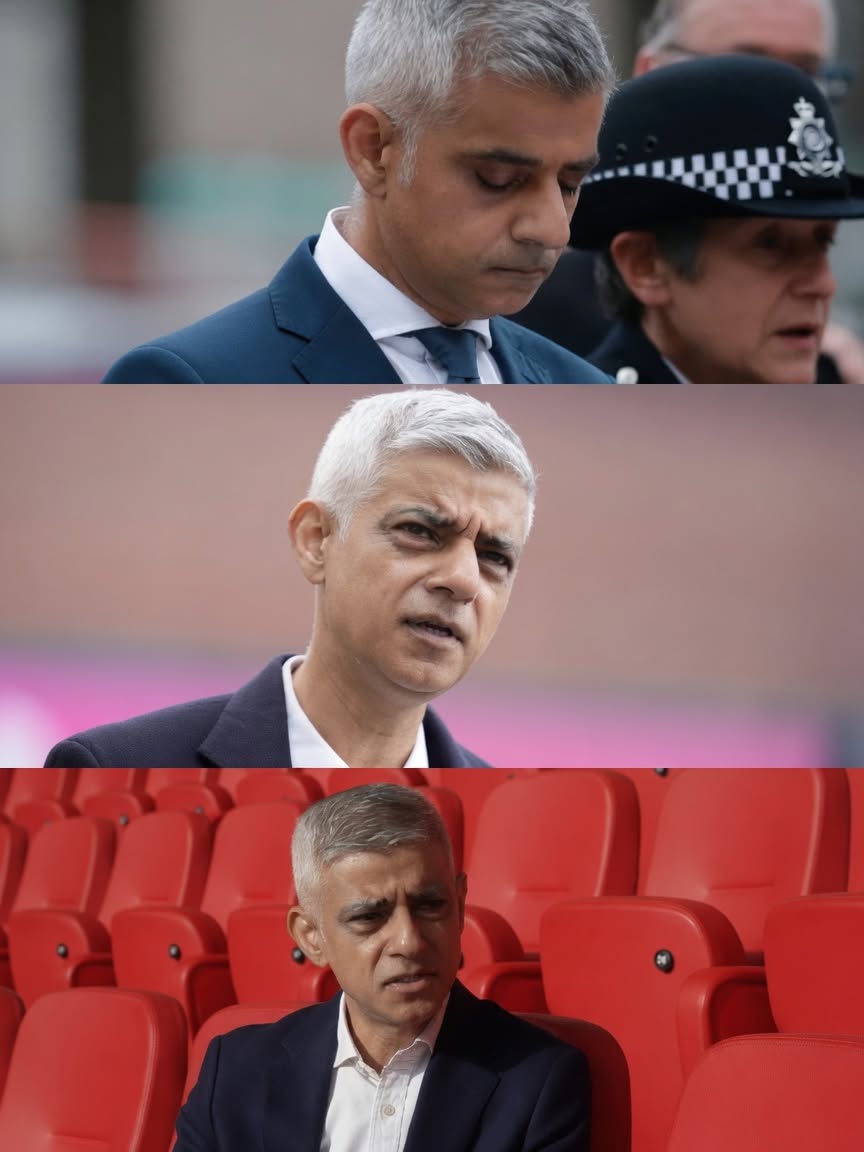
Within this wider political environment, Sadiq Khan has become a subject of discussion despite the fact that many of the most widely known grooming gang cases occurred outside London or predated his time as Mayor. Critics argue that senior political leaders should demonstrate stronger leadership on safeguarding issues and support broader national inquiries where appropriate. Some commentators contend that the Mayor should speak more forcefully about the issue or explain how London’s institutions are addressing child exploitation today. Others go further, suggesting that his leadership reflects broader political failures regarding crime, policing, and public confidence.
Supporters of these criticisms often connect the debate to wider concerns about policing resources, public safety, community cohesion, and transparency. They argue that political leaders should be willing to answer difficult questions whenever confidence in institutions declines. Some believe that resignations are an important mechanism for maintaining accountability, even where direct responsibility may be disputed. In their view, visible political consequences encourage higher standards of leadership and reinforce public trust in democratic institutions.
However, many political observers reject the argument that calls for Khan’s resignation are justified by the available evidence. They point out that criminal investigations into grooming gangs primarily involve police forces, local councils, safeguarding agencies, prosecutors, and government departments operating under different legal responsibilities. Critics of the resignation campaign argue that there has been no verified evidence demonstrating that the Mayor personally interfered with investigations or directed operational policing decisions connected to the historic cases most frequently discussed in public debate.
Legal experts frequently note that the British policing system maintains operational independence from elected politicians. While police and crime governance structures involve democratic oversight, operational investigations remain the responsibility of professional law enforcement officers. In London, the Mayor holds significant strategic responsibilities regarding policing priorities and budgets through the Mayor’s Office for Policing and Crime, but operational decisions are made independently by the Metropolitan Police Service. This distinction has become central to discussions over whether political accountability necessarily extends to individual criminal investigations.
The Metropolitan Police itself has faced extensive criticism over recent years on multiple issues unrelated to the historic grooming gang investigations that dominate national headlines. Independent reviews have examined institutional culture, misconduct, recruitment, public confidence, and internal disciplinary processes. These separate controversies have complicated public perceptions of policing generally, leading some commentators to connect broader institutional problems even where the underlying issues involve different facts, different time periods, and different jurisdictions. Others caution that combining unrelated controversies risks confusing public understanding and weakening evidence-based debate.
The political discussion has also unfolded against a backdrop of wider national arguments over immigration, integration, multiculturalism, and community relations. Some politicians argue that previous authorities were reluctant to confront certain criminal networks because of fears surrounding accusations of racism or community tensions. Several independent reports have examined aspects of these concerns, although findings have varied depending on the specific location, inquiry, and evidence reviewed. Some reports identified institutional failures related to professional culture, leadership, or safeguarding systems, while others found no single explanation for why investigations were mishandled. As a result, experts generally caution against broad generalizations that attribute every case to one cause alone.
Campaigners representing survivors of child sexual exploitation have repeatedly emphasized that political arguments should never distract from the experiences of victims themselves. Many survivor organizations argue that the central priorities should remain justice, effective safeguarding, improved victim support, and preventing future abuse. They have called for continued investment in specialized investigative teams, mental health services, witness protection measures, and long-term support for survivors. These organizations often stress that political disagreements should ultimately serve the goal of improving child protection rather than becoming solely partisan disputes.
The renewed attention surrounding grooming gangs has inevitably generated intense activity across social media platforms. Videos, opinion polls, short clips from political speeches, and edited interviews have circulated widely, frequently attracting millions of views. While these platforms have enabled broader public engagement, they have also increased concerns about misinformation, selective editing, and the rapid spread of unverified claims. Fact-checking organizations regularly encourage users to distinguish between verified investigative findings, political opinion, and speculation before drawing conclusions about individual public figures.
Polling data conducted by various organizations over recent years consistently indicates that public confidence in political institutions, policing, and criminal justice remains an important issue for many British voters. Concerns about violent crime, anti-social behaviour, immigration, and institutional transparency frequently rank among the issues voters identify as influencing electoral decisions. However, opinions differ considerably regarding which policies are most effective and which political leaders should bear responsibility for past failures. As with many controversial public issues, attitudes often reflect broader political affiliations as well as differing interpretations of available evidence.
For supporters of Sadiq Khan, calls for resignation are viewed as politically motivated attempts to associate the Mayor with controversies that extend far beyond his direct responsibilities. They argue that elected officials should be judged on demonstrable evidence, measurable policy outcomes, and clearly established responsibilities rather than broader public frustration. Many also note that child exploitation is a nationwide challenge requiring cooperation between local authorities, police, government departments, schools, healthcare providers, and community organizations. From this perspective, assigning blame to one political figure risks oversimplifying a highly complex issue.
Conversely, those advocating greater political accountability argue that leadership carries symbolic as well as administrative responsibility. They contend that public officials should actively address public concerns whenever confidence declines, regardless of whether direct operational responsibility exists. Some believe stronger public statements, additional reviews, or broader inquiries could help restore trust. Others maintain that only significant political change can demonstrate that institutions have fully learned from previous failures.
Parliament has periodically debated whether further national inquiries into grooming gangs are necessary. Some MPs argue that sufficient evidence has already been collected through previous independent investigations and that implementing existing recommendations should now take priority. Others continue to support new inquiries with broader powers to examine institutional decision-making across multiple agencies. These differing approaches reflect broader disagreements over how best to achieve accountability while avoiding duplication of previous work.
The discussion has also highlighted the distinction between legal responsibility and political responsibility. Legal responsibility requires evidence demonstrating specific actions or failures under established legal standards. Political responsibility, by contrast, is often broader and may involve public perceptions of leadership, judgment, communication, or institutional performance. Democratic societies frequently debate where these boundaries should lie, particularly during periods of heightened public concern over sensitive issues.
Media coverage has further contributed to differing public interpretations. Some newspapers and commentators emphasize failures by institutions and argue that stronger political consequences are necessary. Others focus on the importance of factual precision, warning against assigning personal blame without clear evidence. Editorial perspectives inevitably influence how audiences understand complex events, making media literacy increasingly important for readers attempting to evaluate competing claims.
Independent analysts often observe that controversies of this nature rarely produce unanimous public opinion. Instead, they reveal deeper disagreements over governance, accountability, public safety, and political leadership. For some citizens, the issue primarily concerns justice for victims and institutional reform. For others, it has become intertwined with broader debates over immigration policy, policing strategies, and cultural integration. These overlapping discussions help explain why the controversy continues to generate strong reactions even years after many of the original criminal cases first emerged.
As Britain approaches future elections, issues relating to crime, safeguarding, policing, and institutional accountability are likely to remain central themes in political campaigns. Candidates from across the political spectrum are expected to present competing proposals aimed at improving public safety while restoring confidence in public institutions. Whether those proposals involve additional inquiries, legislative reform, increased funding, or structural changes, voters will ultimately determine which approaches they consider most convincing.
For now, the question of whether Sadiq Khan should resign remains firmly within the realm of political debate rather than established legal conclusion. Critics continue to argue that stronger political accountability is required, while supporters insist that resignation demands are unsupported by verified evidence connecting the Mayor personally to the historic investigative failures that underpin the controversy. Until new evidence or official findings emerge, the discussion is likely to remain a matter of political opinion rather than settled fact.
What remains beyond dispute is the enduring importance of protecting vulnerable children, supporting survivors, and ensuring that institutions respond effectively whenever allegations of exploitation arise. Regardless of political affiliation or differing views on leadership, there is broad agreement that safeguarding failures should never be repeated. The challenge facing policymakers, law enforcement agencies, and elected officials alike is how best to strengthen public trust while ensuring that future investigations are conducted thoroughly, transparently, and without fear or favour.