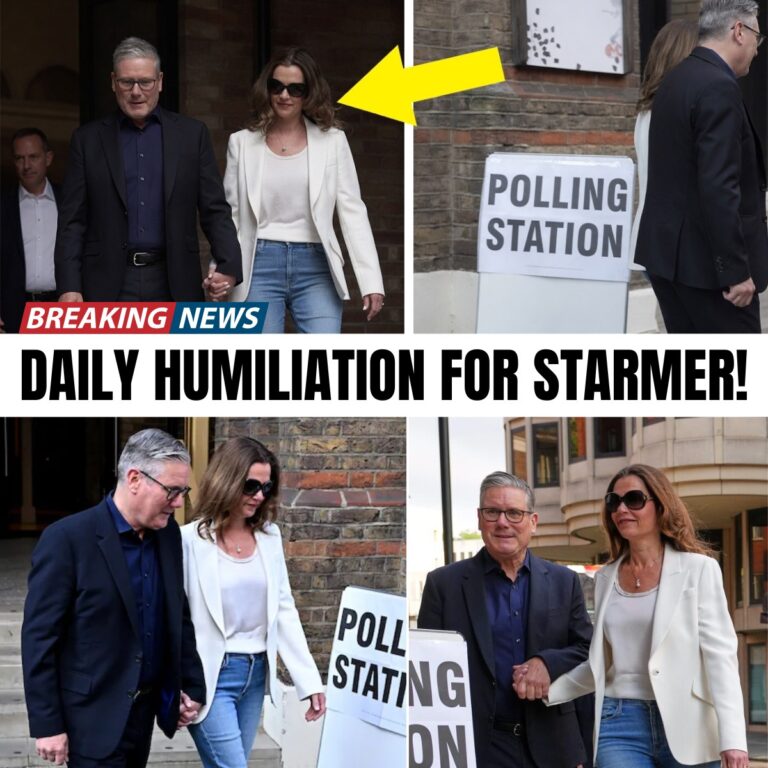
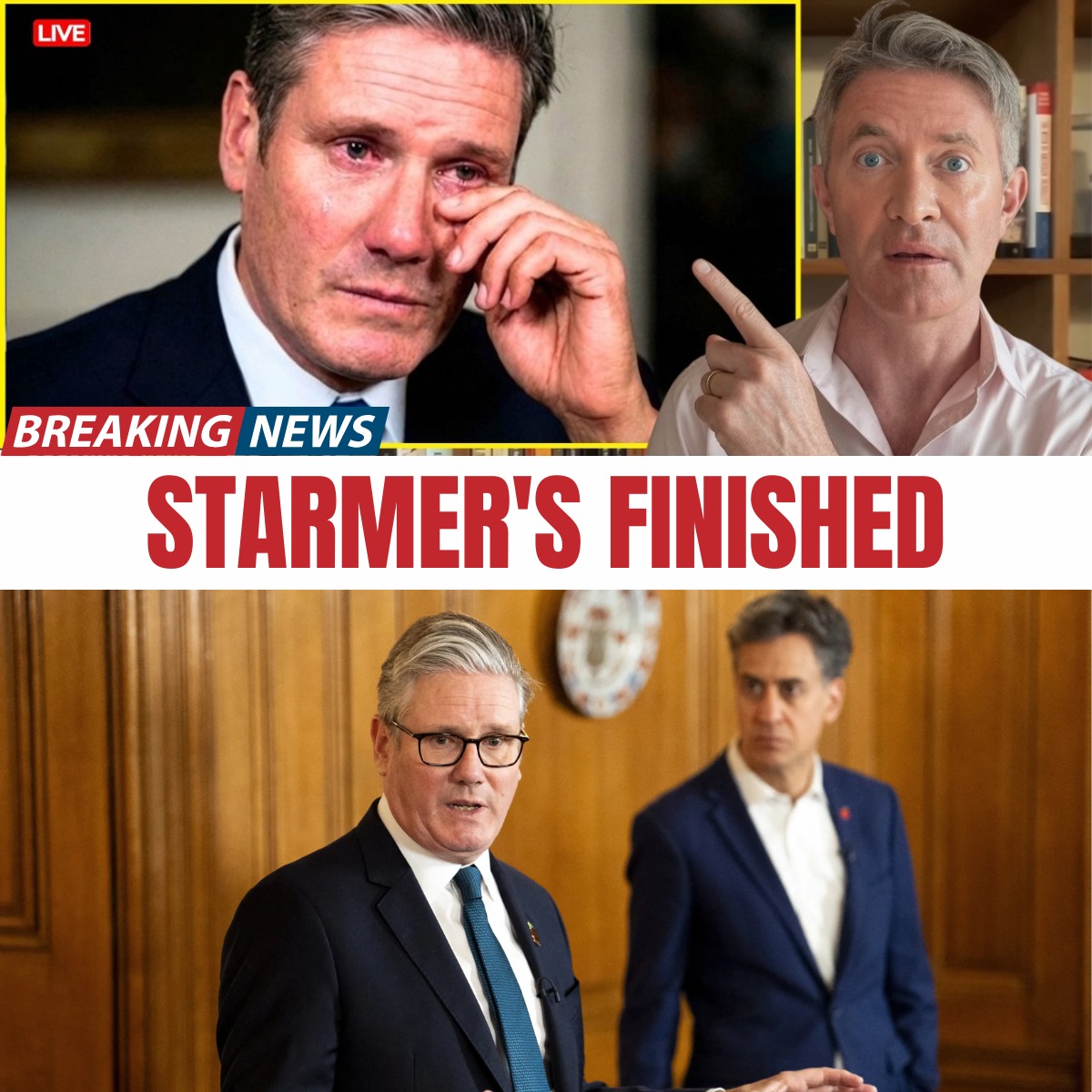
A growing political debate is unfolding across Britain after Douglas Murray delivered a sharp assessment of Keir Starmer and the direction of the Labour government.
The Fragile Mandate: Assessing the Institutional Pressures Facing Keir Starmer’s Administration
A Premiership Under the Microscope
The political landscape in Britain has entered a period of profound uncertainty as the Labour government, led by Prime Minister Keir Starmer, navigates a series of administrative and ethical challenges.
Despite securing an expansive parliamentary majority in July 2024, the administration’s authority is facing significant scrutiny. Analysts suggest that the victory was less a result of fervent public endorsement for Starmer’s platform and more a consequence of the internal collapse of the Conservative Party following years of executive instability.
This distinction is critical, as a mandate built on the rejection of an opponent is inherently more fragile than one fueled by positive popular enthusiasm.
The current atmosphere in Westminster is characterized by a rapid shift in public sentiment. What began as a period of relative calm has evolved into a high-pressure environment where every policy decision and personal association is being rigorously analyzed.
Political commentator Douglas Murray has recently articulated a widespread feeling that a fundamental disconnect exists between the government’s rhetoric of “cleaning up politics” and its operational reality. This perceived gap between promised integrity and emerging controversies has left the administration vulnerable to both parliamentary opposition and a skeptical public.
The Ethics Debate: From “Freebies” to Financial Disclosure
Central to the current discourse is the “freebie” scandal, which has complicated Starmer’s efforts to position his government as a departure from the “sleaze” of previous years.
Reports indicate that the Prime Minister accepted over £100,000 in gifts and hospitality since 2019, including designer clothing and high-profile event tickets.
While defenders argue these were technically declared according to parliamentary rules, critics point to the optics of such a high volume of hospitality during a national cost-of-living crisis.
The subsequent decision to repay approximately £6,000 worth of gifts has been viewed by some as a calculated act of crisis management rather than a spontaneous demonstration of moral conviction.
The controversy has extended beyond the Prime Minister to the most senior ranks of the Cabinet. Chancellor Rachel Reeves and Deputy Prime Minister Angela Rayner have also faced questioning regarding donations for clothing and personal expenses.
This collective involvement of the Labour leadership has undermined the “clean government” brand that was a cornerstone of their 2024 campaign.
For a public weary of political entitlement, the image of a new administration immediately engaging in the same practices they once condemned has created a significant hurdle for maintaining long-term trust.
The Resignation of Angela Rayner and the Ministerial Code
The administrative pressure reached a boiling point in September 2025 with the resignation of Angela Rayner. The Deputy Prime Minister, who had fashioned herself as an authentic working-class voice, found herself embroiled in a tax dispute regarding the sale of a property in Hove.
Investigations revealed an underpayment of £40,000 in stamp duty, a discrepancy that was eventually confirmed as a breach of the ministerial code.
Starmer’s initial defense of Rayner, praising her transparency even as details of the financial error surfaced, became a point of contention that highlighted a perceived lack of decisiveness.
Rayner’s departure was not just a loss of a key political ally but a symbolic blow to the government’s moral authority.
Having been a vocal critic of previous administrations’ financial improprieties, her own involvement in a tax-related scandal allowed opponents to frame the Labour leadership as hypocritical.
The Prime Minister’s “handwritten note” characterizing her exit as “sad and painful” did little to mitigate the political damage, as the housing secretary responsible for national property policy was seen to have failed in her own property tax obligations.
The Mandelson Appointment and Diplomatic Turbulence
Further complicating the government’s standing was the controversial appointment of Peter Mandelson as the UK’s ambassador to Washington.
Mandelson, a veteran figure of the Blair era with a history of resignations over ethical allegations, was a high-risk choice that eventually proved problematic. When files emerged in 2026 linking Mandelson to questionable international associations, the backlash was swift.
The Prime Minister’s subsequent admission in the House of Commons—that he had simply believed Mandelson’s version of events—raised serious questions about the rigor of the government’s vetting processes and Starmer’s personal judgment.
The fallout from this appointment was internal as well as external. High-ranking staff members, including the chief of staff and communications director, resigned in the wake of the scandal.
Even the Scottish Labour leader signaled a loss of confidence, illustrating that the discontent had spread to the devolved branches of the party.
The eventual sacking of Mandelson served as a stark admission of failure for a Prime Minister who had built his career on the principles of due process and meticulous evidence-gathering.
A Career Under Scrutiny: The DPP Era and Grooming Gangs
Perhaps the most significant challenge to Starmer’s personal reputation involves his tenure as the Director of Public Prosecutions (DPP) from 2008 to 2013.
During this period, several high-profile grooming gang cases in Northern England were either mismanaged or overlooked by the Crown Prosecution Service (CPS).
While Starmer’s defenders note that he introduced reforms later in his tenure, critics argue that as the head of the institution, he bears responsibility for the systemic failures that left vulnerable children without protection.
The delay in launching a national statutory inquiry after becoming Prime Minister only intensified these concerns.
The government’s initial reluctance to commission a full inquiry, with ministers suggesting the issue was a matter for local councils, was met with intense public and survivor-led pressure. It was not until June 2025 that a proper inquiry was finally sanctioned.
The contrast between Starmer’s image as a detail-oriented legal expert and the institutional blindness that occurred under his watch as DPP has created a “credibility gap” that opponents frequently exploit. The question remains as to why an administration led by a former top prosecutor appeared so hesitant to address these historical safeguarding failures head-on.
Polls and the Populist Surge
The cumulative effect of these controversies is reflected in the government’s sharply declining popularity. By early 2026, Starmer’s net favorability ratings have plummeted to levels comparable to his predecessors during their final days in office.
Data suggests that 55% of the public believes he should resign, including a significant minority of those who voted for Labour in 2024.
This erosion of support has created a vacuum that is increasingly being filled by populist movements, most notably Reform UK under Nigel Farage, which is now polling competitively with the two major parties.
The rise of Reform UK indicates a shift in the British electorate toward voices that offer more direct, less “procedural” responses to national concerns.
While Starmer approaches crises through a lens of legal calibration and risk aversion, a growing segment of the public appears to favor leadership that speaks more plainly to issues of national identity and systemic failure.
The fact that a party with almost no seats 18 months ago is now a major contender for the next election underscores the volatility of the current political climate.
The Conclusion: A Government at a Crossroads
As of early 2026, the Labour government finds itself in a precarious position where the “illusion of competence” is being challenged by reality. Keir Starmer’s attempt to restore trust in British politics has, according to several major polls, resulted in the opposite outcome.
The administration is currently grappling with a fragmented internal structure and an external environment where populist sentiment is reaching a fever pitch. The Prime Minister’s analytical and procedural style, once seen as an asset, is now frequently viewed as an emotional and political liability in the face of a restless electorate.

The ultimate outcome of Starmer’s premiership remains a subject of intense debate among Westminster observers. Whether the government can recalibrate and regain the public’s confidence, or if the current downward trajectory is irreversible, is a question that currently lacks a definitive answer.
What is clear is that the “honeymoon period” has long since passed, and the administration must now confront a public that is increasingly unwilling to accept apologies in place of results. The next few months will likely determine if this government can survive the weight of its own internal pressures.