

HENRY NOWAK CASE: REPORT CLAIMS CONVICTED KILLER IS LIVING IN ISOLATION INSIDE PRISON AMID SAFETY FEARS

New reports have emerged about the prison conditions of the man convicted of murdering Henry Nowak, claiming he is living under strict segregation because of concerns for his personal safety. The developments have attracted renewed public attention as legal proceedings over his sentence continue, with prosecutors seeking a longer minimum term. While the claims have not been independently verified by prison authorities, they have sparked fresh discussion about prison security, high-profile offenders and the treatment of inmates convicted of serious crimes.
According to the report, Vicram Digua, 23, is currently being held in the segregation unit at HMP Frankland in County Durham rather than in the prison’s general population. An unnamed prison insider claimed Digua refused to move to A Wing after learning it was the same wing where convicted child murderer Ian Huntley was reportedly fatally assaulted earlier this year. The source alleged that Digua believed his life would be at risk if he entered the main prison population because other inmates were already aware of his case. Under prison rules, officials cannot simply force a prisoner into a location if there are credible concerns about their immediate safety, meaning he could remain in segregation for an extended period.
The insider also described the conditions inside the segregation unit as extremely restrictive. According to the report, Digua spends up to 23 hours each day alone in his cell and is escorted by four prison officers whenever he leaves for his daily exercise period. The source claimed inmates housed in segregation are kept completely separate from one another, with exercise yards divided so prisoners cannot mix. It was further alleged that prisoners have access only to basic reading materials, a small wind-up radio and standard prison meals delivered directly to their cells. The report described the regime as mentally challenging, claiming many prisoners in long-term segregation spend their days pacing around their cells or shouting through windows due to the isolation.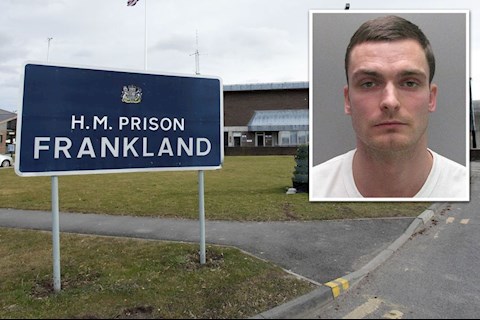
Digua was sentenced to life imprisonment in May after being convicted of murdering Henry Nowak in December 2025. The court imposed a minimum term of 21 years before he can be considered for parole. However, that sentence is currently being challenged after prosecutors referred it for review on the grounds that it may be unduly lenient. A higher court will determine whether the minimum term should be increased. Until that legal process concludes, Digua is expected to remain in prison under the security arrangements deemed appropriate by prison authorities.
The latest reports have once again drawn attention to the challenges faced by prisons when managing inmates convicted of particularly notorious offences. Prison services have a legal duty both to protect prisoners from violence and to maintain the safety and order of the wider prison population. High-profile offenders are frequently placed in segregation or protected units when intelligence suggests they may face a heightened risk of attack from other inmates. While public reaction to such cases is often strong, decisions regarding prisoner placement are based on operational security assessments rather than public opinion. As the appeal over Digua’s sentence continues, the case remains under close scrutiny, with further developments expected once the courts rule on whether his minimum prison term should be increased.